Make Your Stainless Steel Sink Sparkle with Things Already in Your Pantry
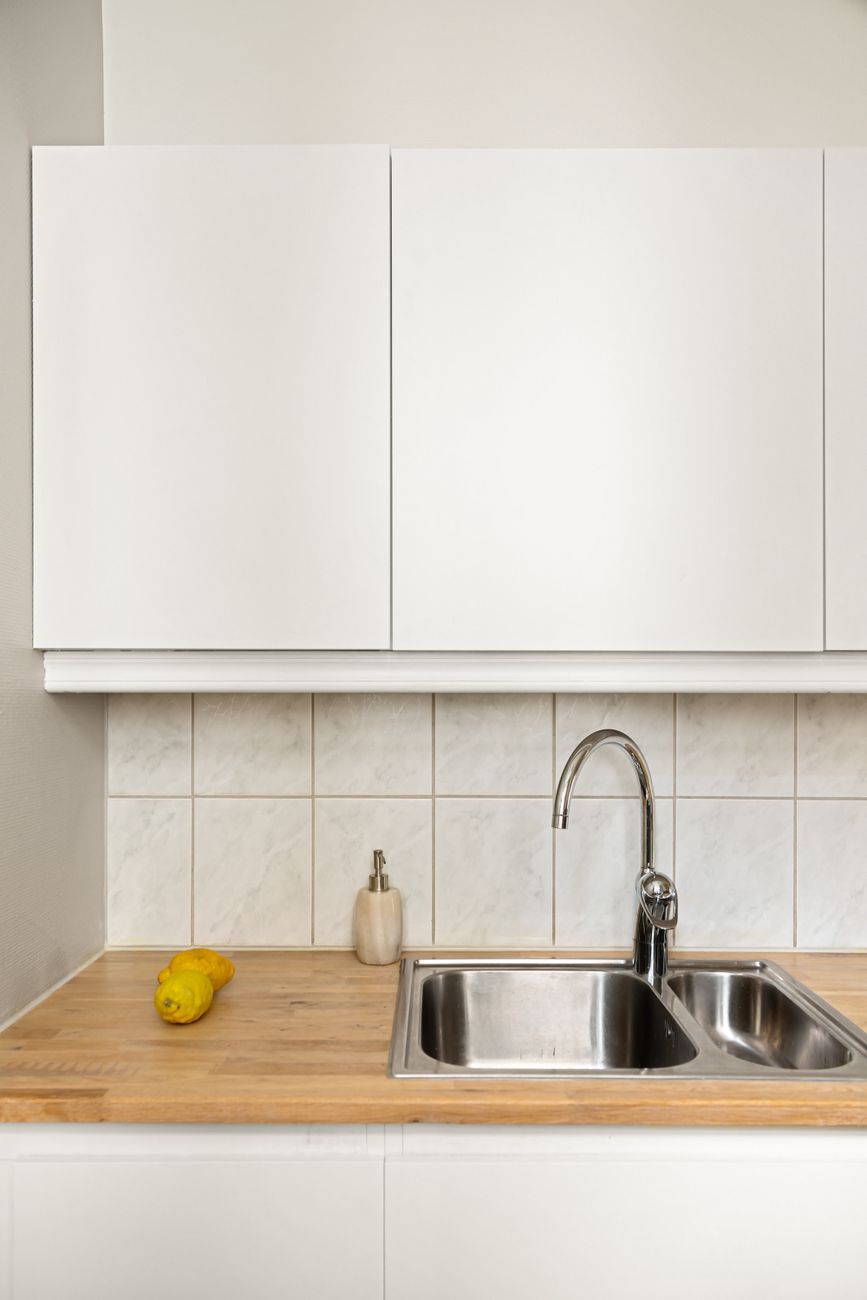
My sink looked fine from a distance. Up close? Water spots, a film of something I could not identify, and scratches that caught the light in all the wrong ways. I scrubbed it with dish soap every night. Still looked dull. I figured that was just how stainless steel aged — like a patina you accept.
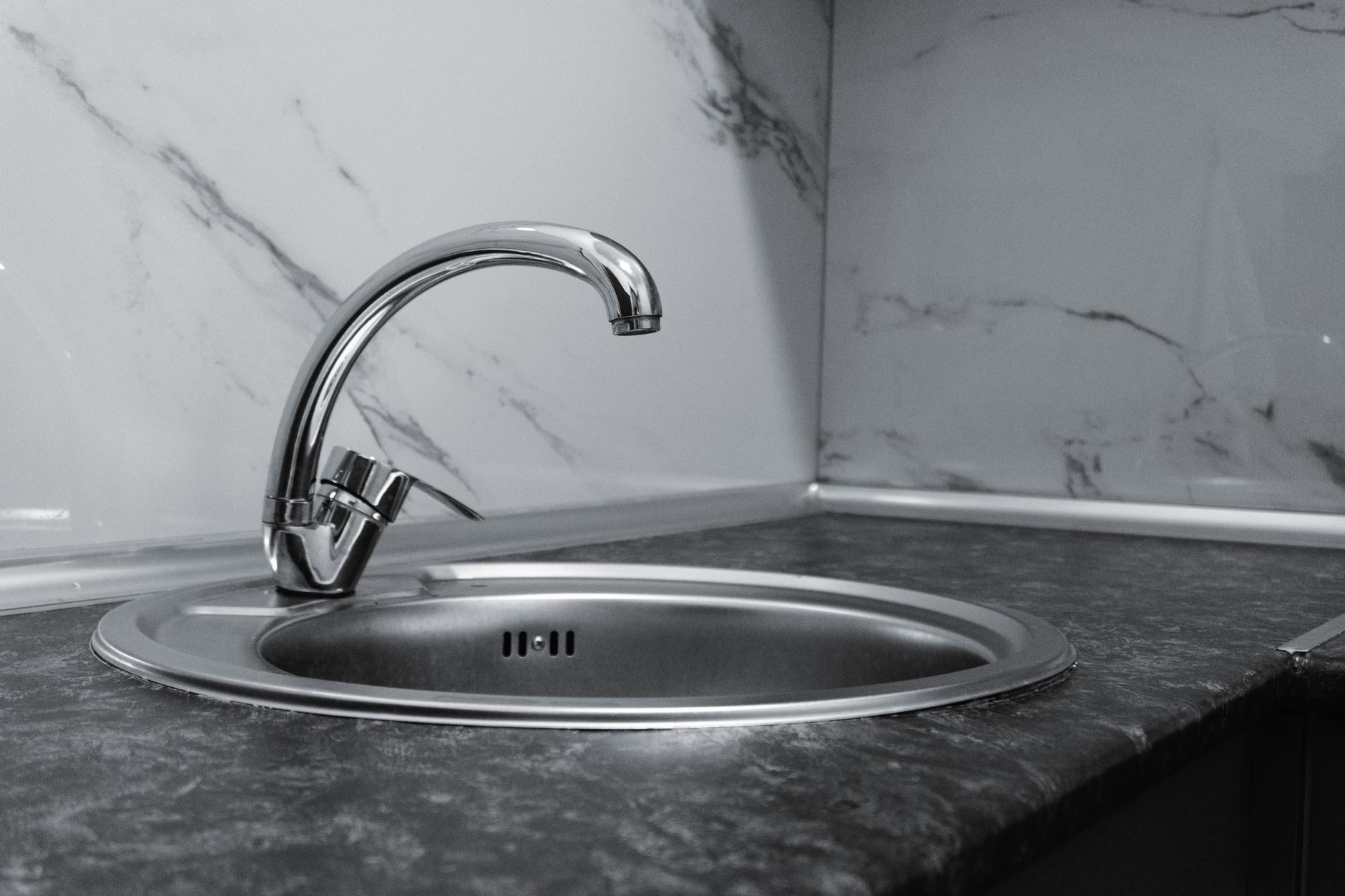
Then I went to a friend’s house. Her sink was three years older than mine and looked brand new. “What do you use?” I asked. She walked to her pantry and pulled out baking soda and a bottle of olive oil. I laughed. Then she showed me. I stopped laughing.
Step One: Baking Soda Scrub
Wet the sink. Sprinkle a generous layer of baking soda all over — the whole basin, the rim, around the drain. Use about a quarter cup for a standard double-basin sink.
Take a damp sponge or soft cloth — nothing abrasive, no green scrub pads — and start scrubbing in the direction of the grain. Stainless steel has a grain, same as wood. Run your finger along the surface and you will feel it. Always scrub with the grain, not against it. Scrubbing against the grain creates micro-scratches that catch light and look dull.
The baking soda turns into a paste as you scrub. It is just abrasive enough to lift grime and water spots without scratching. Rinse thoroughly with warm water. Already your sink will look better.
Step Two: Vinegar for Hard Water
If you have hard water — white mineral deposits around the faucet base or drain — spray undiluted white vinegar on those spots. Let it sit five minutes. The acid dissolves calcium and lime buildup. Wipe with a cloth. If the buildup is heavy, lay a paper towel soaked in vinegar over the spot and let it sit longer, maybe twenty minutes.
Rinse again. At this point your sink should look clean. But it will still look dry and a little flat. That is where step three comes in.
Step Three: Olive Oil Polish
Put a few drops of olive oil on a dry microfiber cloth — about a dime-sized amount. Buff the entire sink in circular motions, then wipe with the grain for the final pass. The oil fills in micro-scratches optically and creates a barrier that water beads right off.
This is the step that makes people ask what you did to your sink. It takes thirty seconds and the shine lasts about a week with normal use.
I was worried the oil would feel greasy. It does not — you use so little that it absorbs and leaves a dry shine. If you accidentally use too much, just buff longer with a dry part of the cloth.
Daily Maintenance
After the full treatment, maintenance is easy. At the end of each day, rinse the sink, sprinkle a pinch of baking soda, swipe with a sponge, rinse again. Once a week, reapply the olive oil. My sink has looked showroom-clean for over a year now.
📋 Quick Summary: Clean a stainless steel sink in three steps: scrub with baking soda and a damp cloth (with the grain), treat hard water spots with vinegar, then buff with a few drops of olive oil for a lasting shine. All three ingredients are already in your kitchen.