Make New Year Resolutions That Actually Stick Past January
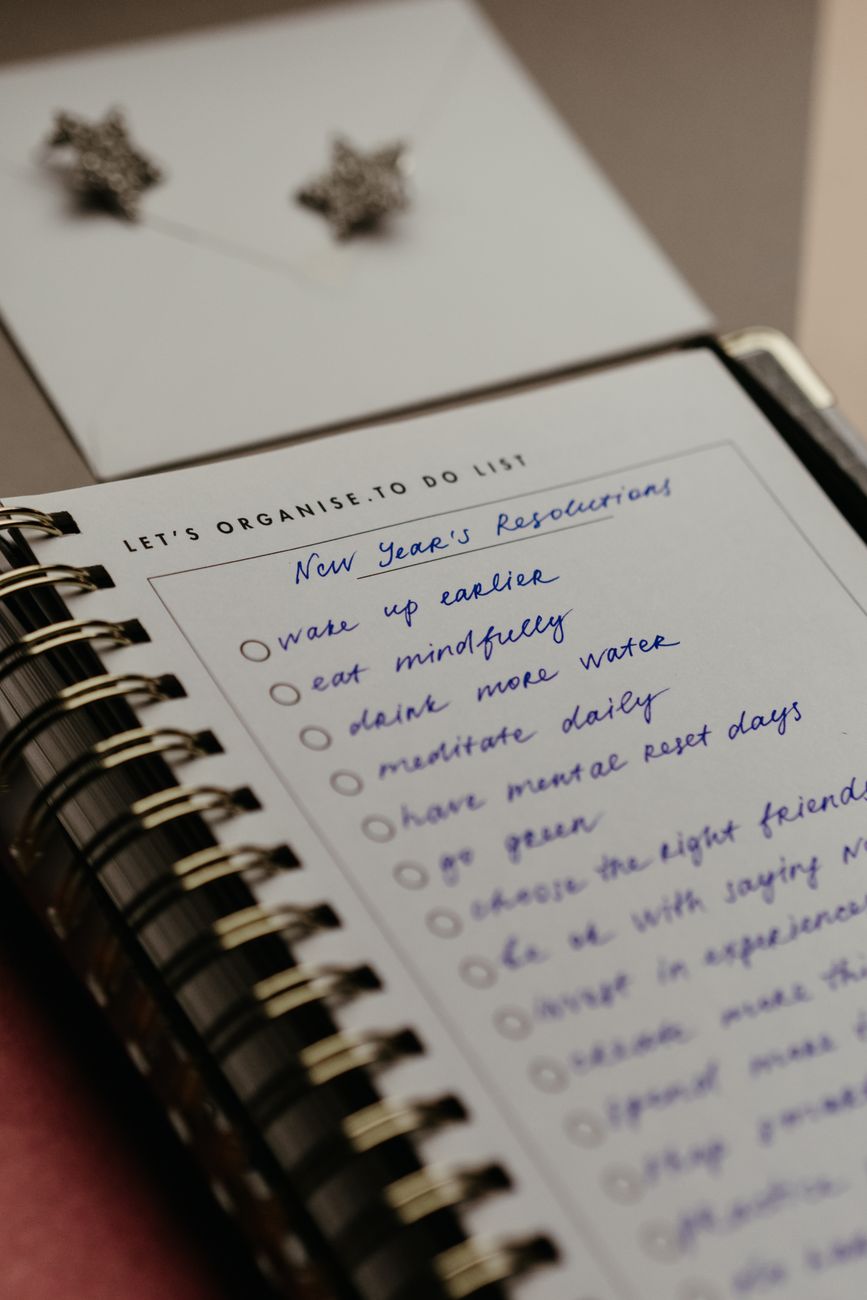
I have made and broken the same New Year’s resolution at least five times. “Get in shape.” Every year, gym in January, quit by February. By March I was back on the couch, somehow more defeated than if I had never tried. The problem was not my willpower. The problem was the resolution itself.
“Get in shape” is not a goal. It is a wish. Wishes do not have deadlines, measurements, or specific next actions. Goals do. Here is how to turn a January wish into something you are still doing in July.
Shrink the Goal Until It Feels Embarrassing
If your resolution is “exercise more,” your brain has to make dozens of decisions — what kind of exercise, when, where, for how long, with what equipment. Decision fatigue kills resolutions. Instead, make the goal so small it feels silly. “Do one push-up every morning.” “Walk for five minutes after lunch.” “Write one sentence of the book.”
The point is not the push-up. The point is proving to yourself that you are the kind of person who does what they say they will do. Identity change comes before behavior change. Once you have done one push-up every day for two weeks, you can add a second. But do not add the second until the first is automatic. The foundation has to hold.
Attach It to Something You Already Do
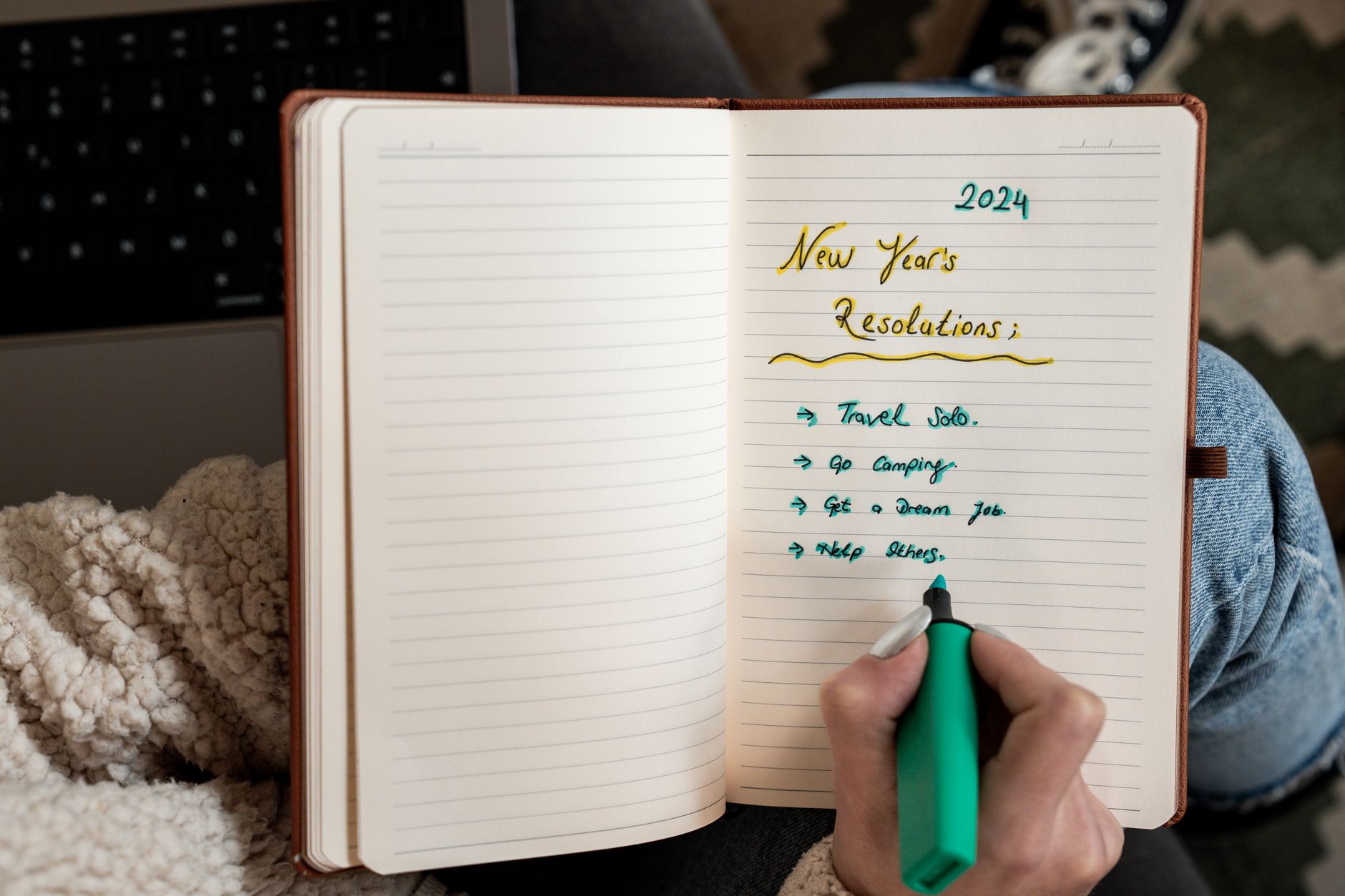
New habits need a trigger — an existing behavior that kicks them off. “After I [existing habit], I will [new habit].” This is called implementation intention and it is one of the most replicated findings in behavioral psychology.
Examples that work: “After I pour my morning coffee, I will write one sentence of my book.” “After I brush my teeth at night, I will floss one tooth.” (Eventually you will floss all of them because you are already there, but committing to all of them feels like too much.) “After I park at work, I will walk one lap around the parking lot before going inside.”
The trigger has to be specific and it has to be something you do every day at roughly the same time. Vague triggers produce vague results.
Track What You Actually Care About
Do not track outcomes — track behaviors. “Lose ten pounds” is an outcome affected by water weight, hormones, sleep, and a dozen things you cannot directly control. “Walk for fifteen minutes” is a behavior you can do today, check off, and feel good about. Track the behavior. The outcomes follow.
Use a wall calendar and a marker. Put an X on every day you do the behavior. After a week, you have a chain of X’s. Your only job is to not break the chain. This is more effective than any app because it is visible — you see it every time you walk past. The chain becomes the reward.
Plan for Failure
You will miss a day. Probably in the first week. Missing one day is not failure — missing two days in a row is the danger zone. One missed day is a data point. Two missed days is the beginning of quitting. The rule is: never miss twice. If you skip Monday, you must do it Tuesday no matter what. Even a bad version counts — a two-minute walk instead of fifteen, one sentence instead of a page. The streak is what matters.
I have kept exactly one resolution in my adult life: flossing. Not because I am disciplined, but because I committed to flossing one tooth a night. After three weeks I was flossing all of them automatically. It has been four years. I still do not have a six-pack. But my dentist is very happy.
📋 Quick Summary: Make goals embarrassingly small. Attach new habits to existing triggers. Track behaviors not outcomes. Never miss twice in a row. Identity change (I am a person who flosses) comes before behavior change.