Make Fluffy Restaurant-Style Rice at Home
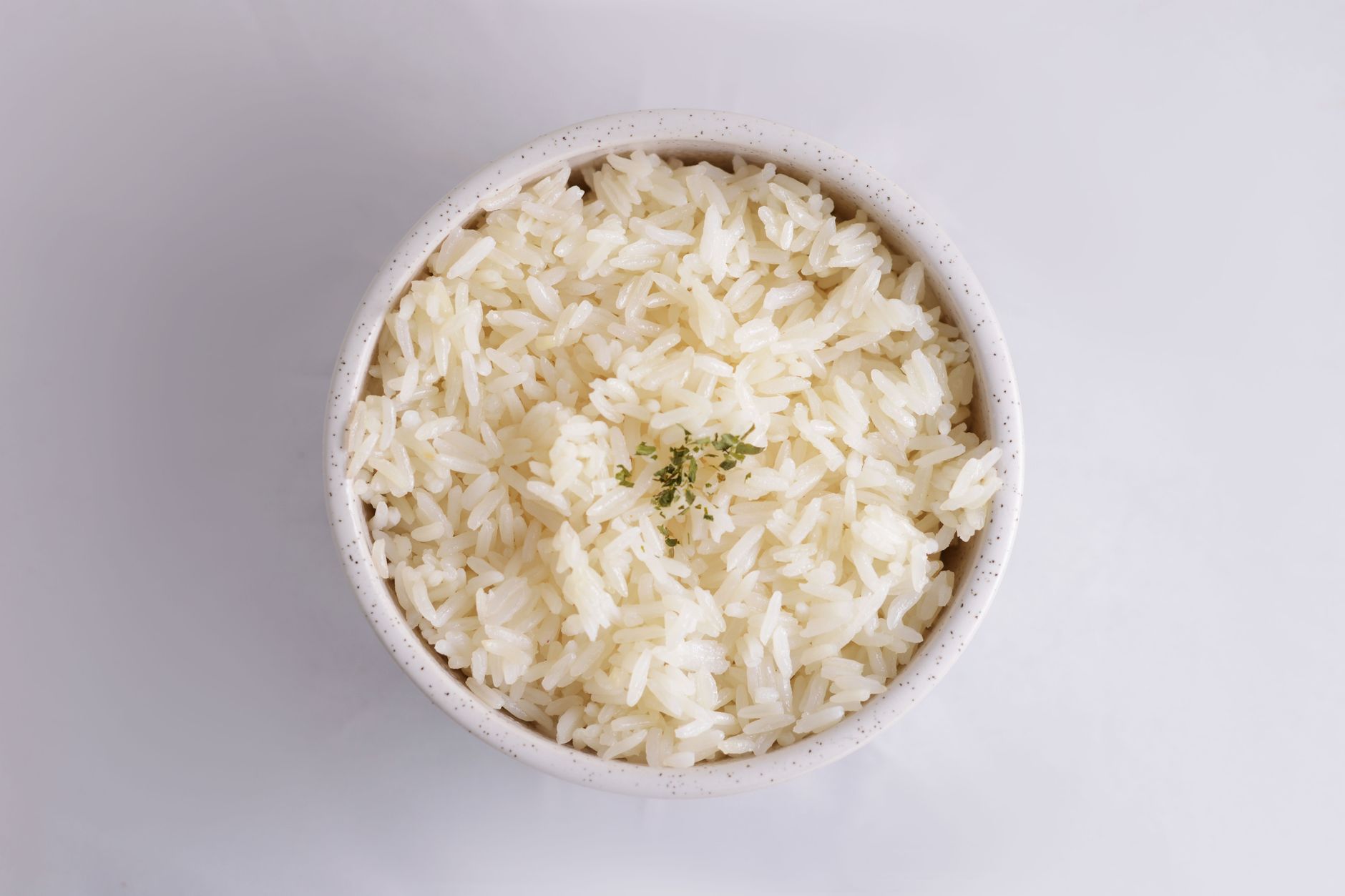
For years I made rice by following the bag instructions: two cups water to one cup rice, bring to a boil, cover, simmer for 20 minutes. It came out fine. Edible. Nothing special. Then I ate at a Thai restaurant where the rice arrived as a perfect mound of separate, fluffy grains — each one distinct, nothing sticky or mushy. I asked the server how they made it. She said, “We rinse it and we do not stir.”
Two changes. That is it. My rice has been restaurant-quality ever since.
” alt=”Fluffy white rice in a bowl”>
Rule 1: Rinse Until the Water Runs Clear
Rice grains are coated in starch dust from milling and transport. If you do not rinse, that starch dissolves into the cooking water and turns into a glue that cements the grains together. That is why unrinsed rice comes out sticky and clumpy.
Put the dry rice in a fine-mesh strainer or in the pot itself. Run cold water over it while swishing with your fingers. The water will turn milky white. Keep rinsing until the water runs mostly clear — usually 30-60 seconds, sometimes longer for starchy varieties like jasmine or sushi rice.
The strainer method is faster because the water drains immediately instead of you pouring it out and refilling. But if you only have a pot, fill, swish, carefully pour out the cloudy water, repeat.
Rule 2: Never Stir While Cooking
Stirring rice while it cooks releases more starch and breaks the grains. You get a sticky mass instead of separate fluffy grains. Once you put the lid on, do not touch it until the timer goes off.
After the cooking time is up, turn off the heat and let it sit, covered, for 10 minutes. This resting period allows the moisture to redistribute evenly throughout the pot. The rice on top will be as fluffy as the rice on the bottom. If you open the lid and fluff immediately, the top layer will be drier than the bottom.
Rule 3: The Right Water Ratio (and How It Changes)
Rinsed rice needs less water than unrinsed rice because the wet grains carry surface moisture into the pot. The standard 2:1 ratio on the bag assumes unrinsed rice. For rinsed white rice, use 1.5 cups water to 1 cup rice — or the “knuckle method” that billions of people use: put your index finger on top of the rice and add water until it reaches your first knuckle. It is not scientific, but it works.
Also: rice types need different ratios. Jasmine and basmati need about 1.5:1. Short-grain and sushi rice need 1.25:1. Brown rice needs 2:1 and about 40 minutes cooking time. Wild rice is not actually rice but needs 3:1 and nearly an hour. Read the specific variety, not just “white rice.”
I rinse, do not stir, and rest. The rice comes out perfect every time now. Separate grains, no clumps, restaurant-style.
📋 Quick Summary: Rinse rice until water runs clear, use 1.5:1 water ratio for rinsed white rice, never stir while cooking, rest covered for 10 minutes before fluffing. Separate, fluffy grains every time.