How to Store Your Bike for Winter Without a Rusty Chain
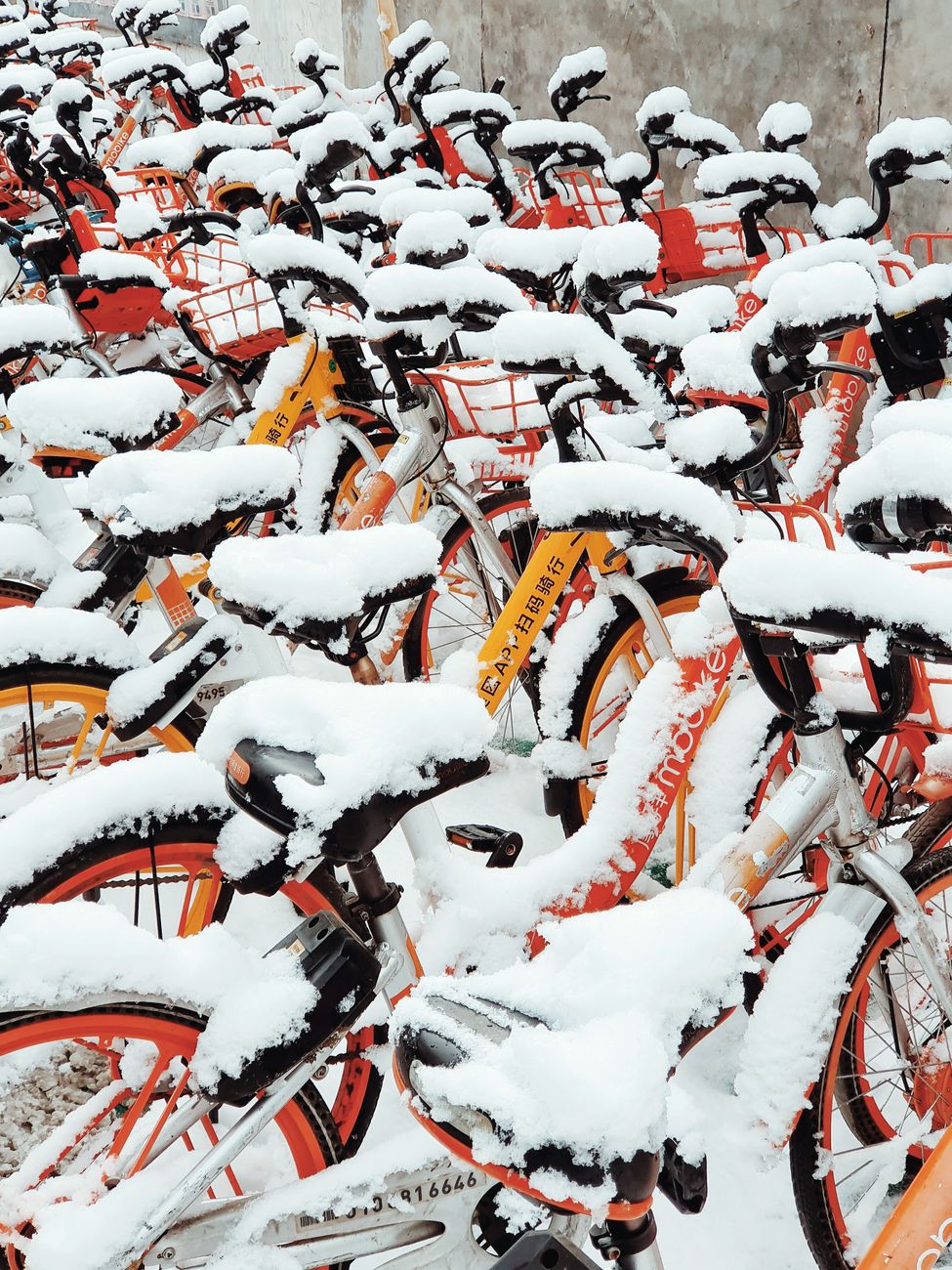
The winter I stored my bike leaning against the garage wall was the winter I learned about rust. By March the chain was orange, the cassette was rough, and the brakes sounded like a haunted house. The bike had been fine in October. It was a total loss of a drivetrain over five months of sitting.
Bikes do not rust because you ride them. They rust because they sit, and sitting bikes collect moisture in exactly the places that matter.
Clean It Before You Park It
The single biggest mistake is storing a dirty bike. Road grime holds moisture against the metal like a wet blanket. So the first step is a real cleaning:
- Wipe down the frame and wheels with a damp cloth.
- Clean the chain and drivetrain with degreaser. A dirty chain is a rusty chain waiting to happen.
- Dry everything thoroughly, then let it sit out for an hour so hidden water evaporates.
Lube the Chain, Then Wipe It
After cleaning, apply chain lube and then wipe the chain with a rag until it looks almost dry. The lube that stays in the pins and rollers is what protects them. The lube on the outside just collects dust and turns into grinding paste.
Use a wet lube for winter storage, even if you ride a dry lube in summer. Wet lube forms a thicker protective film that holds up better over months of sitting.
Where You Park It Matters
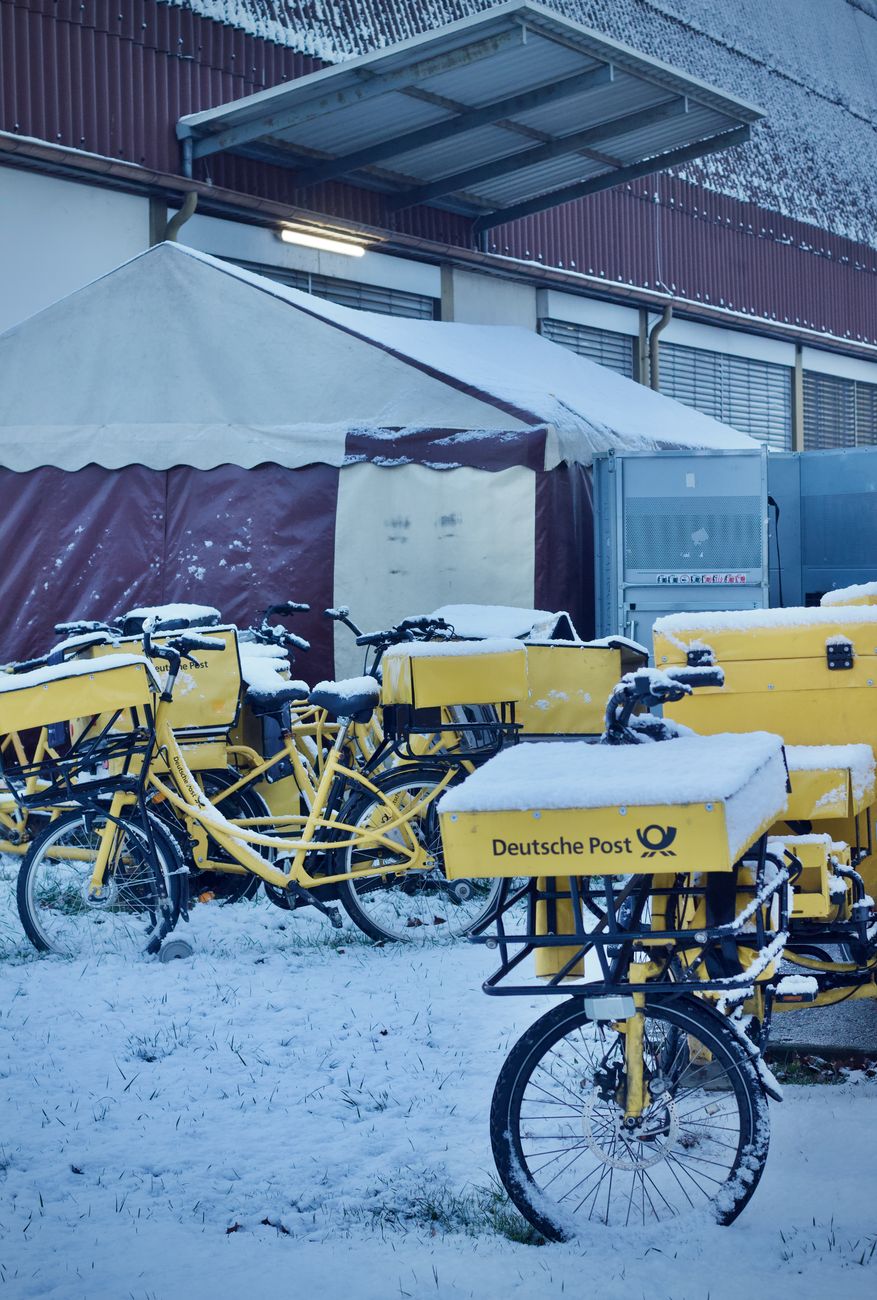
The garage wall where I stored my bike was cold and uninsulated, which meant condensation every time the temperature swung. Here is what I changed:
- Indoors beats garage. A spare room or hallway is the best spot if you can stand it. Stable temperature means no condensation.
- Off the floor. Hang it from hooks or keep it on a stand. Concrete floors sweat, and that moisture rises right into your wheels and chain.
- Away from the water heater and dryer. Humidity sources are rust sources.
Inflate and Protect the Rubber
Tires lose air over winter, and flat tires left sitting can develop flat spots or cracks. Pump them to the max pressure printed on the sidewall before storage, and check them once a month. If the bike hangs, spin the wheels every few weeks so the tires are not resting in one spot.
The Spring Checklist
When winter ends, do not just hop on and ride. Give the bike ten minutes: check tire pressure, squeeze the brake levers, test the gears, and re lube the chain. If you stored it clean, it should need almost nothing. Mine needed a new chain that first year, and only because I skipped every step above. Now I spend one afternoon in November and the bike is ready the day the snow melts.
📋 Quick Summary: Clean the bike before storing it, lube the chain then wipe off the excess, store it indoors off the floor, and pump the tires to max pressure. One afternoon of prep saves you a rusty drivetrain in spring.