How to Store Fresh Herbs So They Last Two Weeks
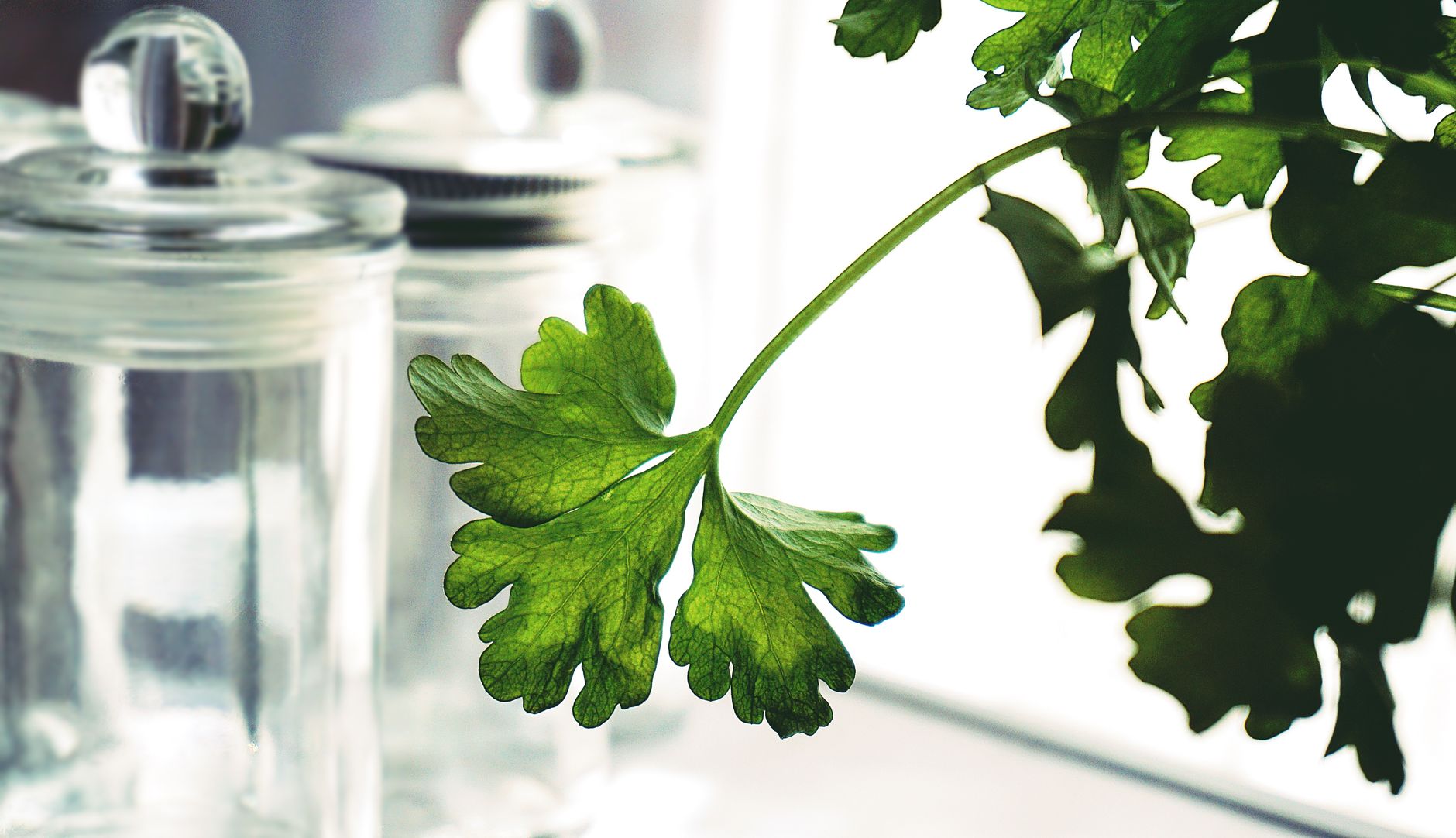
“Your cilantro looks like pond scum,” my roommate said, peering into the fridge. She was not wrong. I had bought a bunch of cilantro three days earlier, put it in the crisper drawer still in the plastic produce bag, and now it was a dark green slime. I threw it away. The next week I bought another bunch and the same thing happened. I was in a cilantro doom loop.

Turns out I was storing herbs completely wrong. Different herbs need different treatment. Once I learned the soft herb vs. hard herb rule, my herbs started lasting two weeks instead of three days.
Soft Herbs: Treat Them Like Flowers
This category includes cilantro, parsley, basil, mint, and dill. Soft herbs have tender stems and delicate leaves that wilt quickly.
- Trim the bottom of the stems — just like you would with flowers.
- Fill a glass jar with about an inch of cool water.
- Place the herbs stem-down in the jar, like a bouquet.
- Cover the leaves loosely with a plastic bag or a reusable produce bag. This creates a mini greenhouse that keeps moisture in.
- Store in the refrigerator — except basil, which hates the cold. Basil goes on the counter, out of direct sunlight.
- Change the water every two to three days.
Cilantro stored this way lasts me ten to fourteen days. The water keeps the stems drinking and the bag prevents the leaves from drying out in the fridge’s low-humidity environment.
Hard Herbs: Wrap and Refrigerate
This category includes rosemary, thyme, oregano, sage, and chives. Hard herbs have woody stems and tougher leaves that dry out rather than rot.
- Wrap the herbs loosely in a damp paper towel. Not soaking wet — just damp enough to feel cool.
- Place the wrapped herbs in a zip-top bag or an airtight container. Leave a little air in the bag — do not vacuum-seal it.
- Store in the crisper drawer of the refrigerator.
This keeps rosemary and thyme fresh for two to three weeks. The damp towel provides humidity without drowning the herbs, and the bag prevents them from drying out.
The Freezer Method for Long-Term Storage
If you bought too many herbs and cannot use them in time, freeze them:
- In oil: Chop the herbs, pack them into an ice cube tray, cover with olive oil, and freeze. Drop a cube into a pan when you start cooking.
- Whole: Spread clean, dry herbs on a baking sheet and freeze until solid, then transfer to a freezer bag. They will not be fresh enough for garnish but work fine for cooking.
I have a bag of frozen rosemary cubes in my freezer right now from a rosemary plant that went wild in the garden last summer. Still good, still fragrant, still saving me three dollars a bunch at the grocery store.
Quick Summary: Soft herbs (cilantro, parsley, basil) go in a jar of water like flowers, leaves covered with a bag. Keep basil on the counter. Hard herbs (rosemary, thyme) get wrapped in damp paper towel in a zip bag. Freeze extras in olive oil cubes.