How to Stop Your Pipes From Freezing Without Wrapping Them All
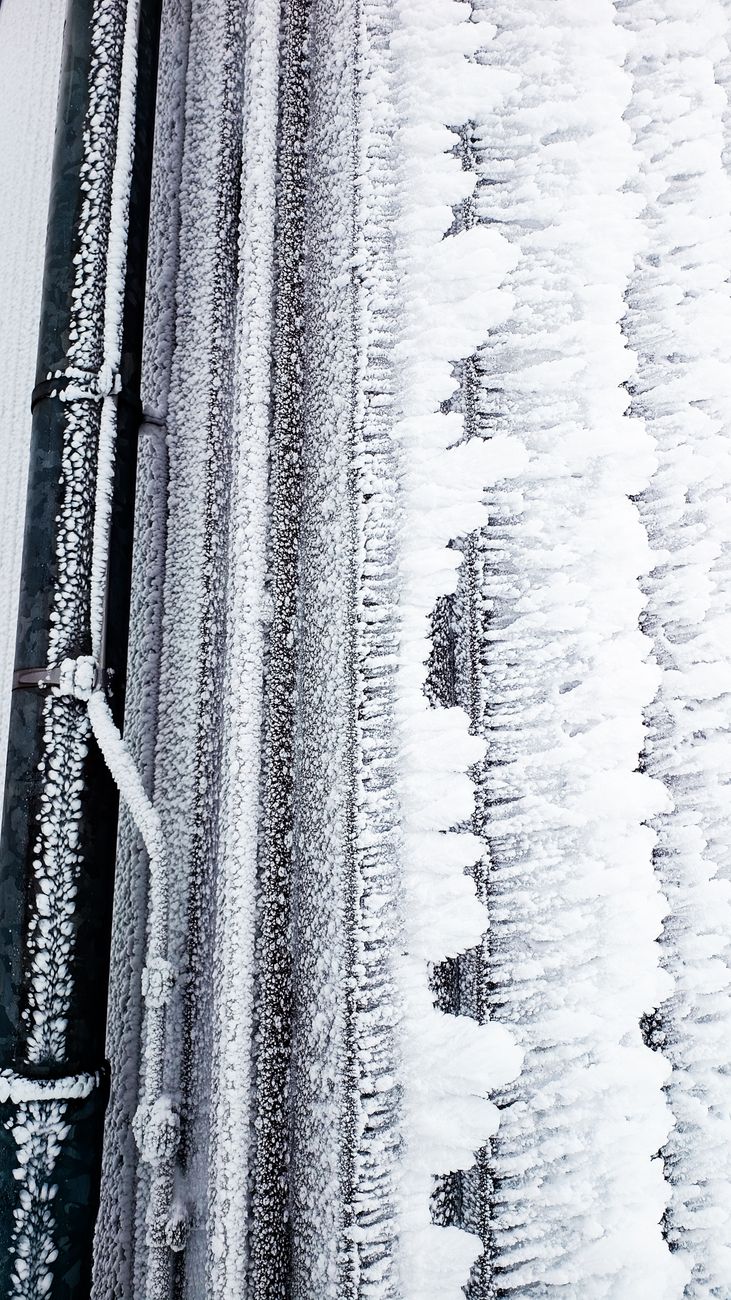
My neighbor called me one January morning in a panic. Water was backing up into the tub and the kitchen sink was dead. His pipes had frozen overnight. He spent the next week with a hairdryer and a space heater, and still had to call a plumber.
Frozen pipes are a pain, but you do not need to insulate every inch of plumbing to avoid them. A few targeted moves handle most of the risk.
Know where your pipes are coldest
The danger spots are pipes in unheated areas: crawl spaces, garages, attics, and exterior walls. Pipes under your kitchen sink that sit against an outside wall are more at risk than the ones in the center of the house.
Focus on those first. You do not need to wrap the whole house, just the pipes in the cold zones.
The cheapest trick: let the water drip
A slow drip from a faucet is the classic fix, and it works because moving water does not freeze as easily as still water. Open the faucet at the coldest spot in the house to a thin stream, not a full flow. A pencil-lead stream is plenty, and the water bill impact is minor.
I do this every night when the forecast drops below 20 degrees. It has saved me twice.
Open the cabinet doors
Pipes under sinks sit in a cabinet that traps cold air. On freezing nights, open the cabinet doors to let warm house air circulate around the pipes. It looks a little odd, but a few degrees of warmth can make the difference.
Do this in the kitchen and bathrooms, especially where the sink is on an exterior wall.
Drain and shut off outdoor lines
Garden hoses, sprinkler lines, and outdoor faucets freeze first. Disconnect hoses, shut off the outdoor valve, and drain the line before winter. An outdoor faucet left connected is basically an invitation to a burst pipe in the wall behind it.
Foam pipe insulation is cheap and fast
For the pipes you can reach, foam pipe insulation from the hardware store is a few dollars per six feet. It slides on in minutes and works well in garages and crawl spaces. The adhesive-backed tape version works for tight spots.
You do not need the expensive heat tape unless the pipes froze before even with insulation. Try foam first.
If they freeze anyway
If a pipe freezes, open the faucet so melting water has somewhere to go, then warm the pipe with a hairdryer or a warm towel. Start from the faucet and work toward the frozen section. Never use an open flame. If a pipe bursts, shut off the main water valve first, then call a plumber.
Quick Summary: Drip the coldest faucet, open cabinet doors, disconnect outdoor hoses, and insulate the pipes in unheated zones. Target the cold spots instead of wrapping everything.
My neighbor now drips a faucet every freezing night and opens his cabinets. He has not had a frozen pipe since, and neither have I.