How to Rescue Over-Salted Soup Without Adding More Water

The pot was perfect. I had caramelized onions for twenty minutes, deglazed with white wine, added homemade stock. Then I grabbed what I thought was the low-sodium soy sauce. It was not. Two glugs later, my beautiful soup tasted like the ocean. I was hosting six people in three hours. I did not have time to start over.
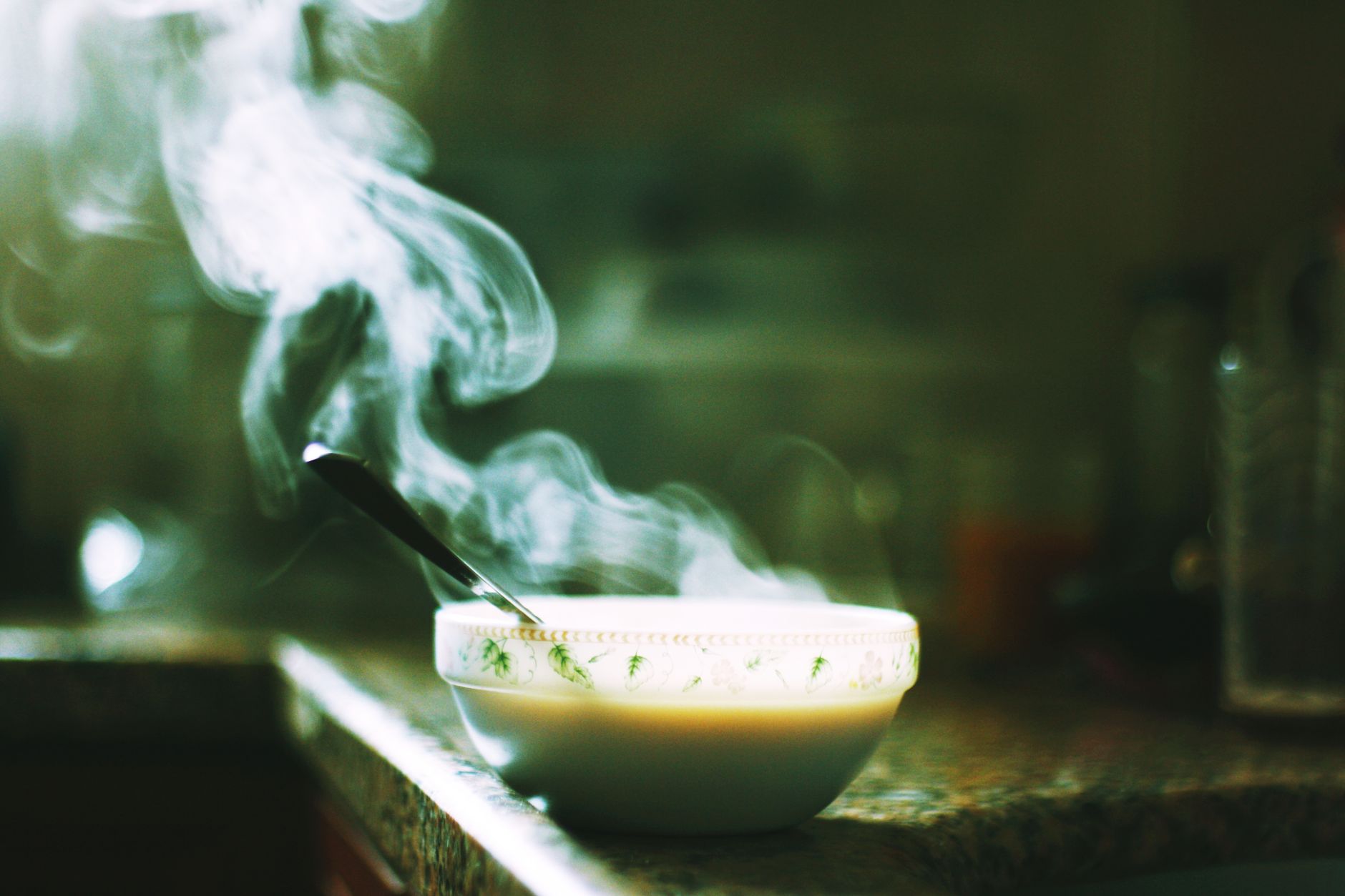
Adding more water is the first instinct. It dilutes the salt — sure — but it also dilutes every other flavor you spent an hour building. You end up with bland salty water instead of bland salty soup. No improvement. Here is what actually works.
The Potato Method (It Works, Sort Of)
You have heard this one: toss a raw potato in the pot and it absorbs the salt. The truth is messier. A potato does absorb some salt, but not nearly as much as people claim. It absorbs the liquid around it — salt and all — then you discard the potato. You lose volume but the salt-to-liquid ratio barely changes.
That said, if you have an hour to simmer, go ahead. Toss in a peeled raw potato, simmer 20-30 minutes, remove it. It helps. Just do not expect miracles. I tried this during my soy sauce disaster and it took the salt down maybe 10 percent. Better than nothing.
The Acid Fix (Actually Works)
Salt tastes salty because sodium hits your tongue a certain way. Acid distracts your taste buds. A squeeze of lemon juice, a splash of vinegar, or a spoonful of yogurt does not remove salt — but it makes your mouth perceive less of it. The soup tastes balanced instead of briny.
For my over-salted soup, I stirred in the juice of half a lemon. Immediately the sharp salt edge rounded off. It still had salt — but it tasted intentional, like seasoning, not a mistake.
The Dairy Rescue
If the soup can handle creaminess — chowders, bisques, pureed vegetable soups — stir in heavy cream, coconut milk, or sour cream. Fat coats your tongue and physically blocks some salt perception. It also adds richness that justifies the salt.
For brothy soups, a dollop of sour cream or plain yogurt on top of each bowl works the same way without changing the whole pot.
The Bulk-Up Strategy
Add more unsalted ingredients. Toss in cooked rice, unsalted canned beans, extra vegetables, or plain shredded chicken. This increases the volume of food relative to salt without adding water. The soup might become a stew, but at least it is edible.
After the lemon juice saved my soup, I threw in a can of drained chickpeas and a handful of spinach. The spinach wilted in thirty seconds. The chickpeas absorbed broth. By the time guests arrived, nobody knew I had almost ruined dinner.
Chef trick I learned later: taste as you salt, not after. Salt in small pinches, stir, taste. You can always add more. You cannot take it out. But if you mess up — acid first, then bulk, then potato as a last resort.
📋 Quick Summary: Fix over-salted soup by adding acid (lemon juice or vinegar) first to counteract salt perception. Then add unsalted bulk ingredients like rice, beans, or vegetables. The potato trick helps marginally. Dairy works for creamy soups. Never just add water — it ruins all your other flavors.