How to Repair Shoes Instead of Throwing Them Away
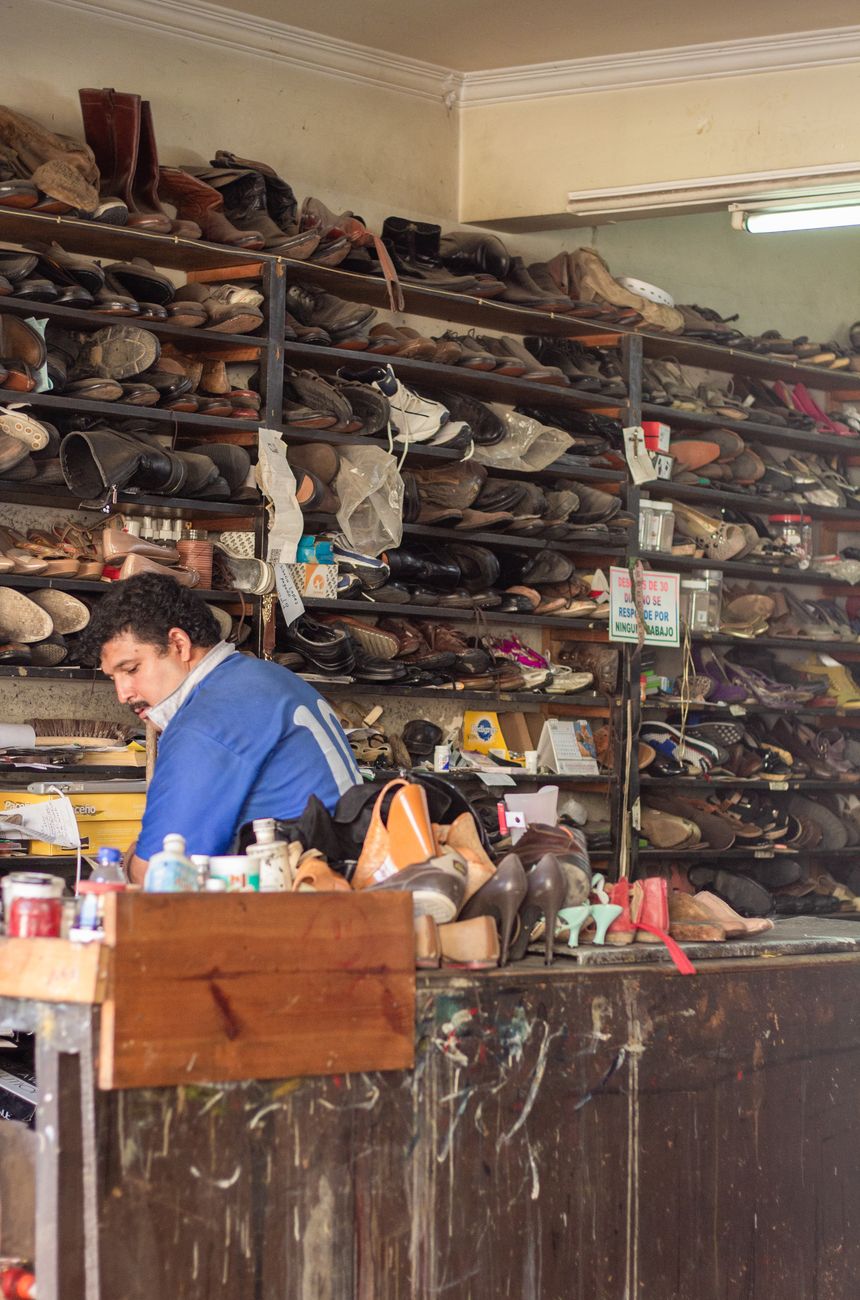
I had a pair of leather boots I loved — worn in perfectly, comfortable as slippers, gone through three resolings. When the sole started separating from the upper near the toe, I almost threw them out. A cobbler quoted sixty dollars for the repair, which was close to what the boots originally cost.
Instead, I spent twelve dollars on shoe repair glue and fixed them myself in ten minutes. That was eighteen months ago. The boots are still going. Here is what I have learned about which shoe repairs are worth doing yourself and which ones actually need a professional.
The sole separation fix
This is the most common shoe failure and the easiest to fix at home. When the sole starts peeling away from the upper — usually at the toe or heel — clean both surfaces thoroughly with rubbing alcohol first. Dust, old adhesive residue, and oils from your feet prevent new glue from bonding.
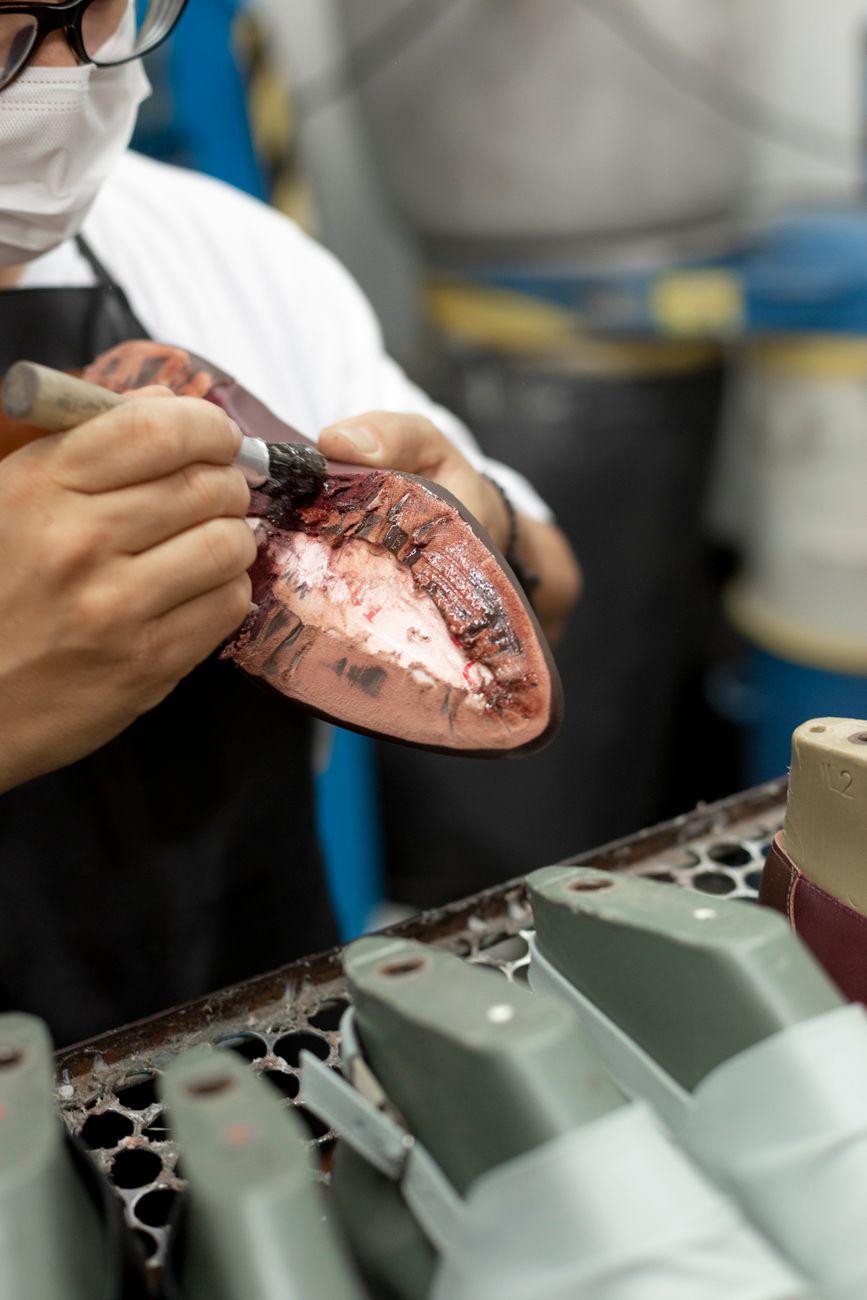
Apply a thin, even layer of contact cement or specialized shoe repair glue (Shoe Goo or Barge Cement are the standards) to both surfaces. Let it dry for 10 to 15 minutes until it is tacky to the touch — this is counterintuitive but essential. Contact cement bonds when two dry-tacky surfaces press together, not when wet glue meets wet glue.
Press the sole firmly against the upper. Clamp it or put something heavy on it overnight. A stack of books works if you do not have clamps. Do not wear the shoes for at least 24 hours — the adhesive needs full curing time to reach maximum strength.
When the heel wears down
Replacement heel caps cost a few dollars at any cobbler supply shop or online. You can glue on a new heel cap yourself, but getting the alignment right is tricky — a crooked heel changes your gait and can cause knee or back pain over time. Heel cap replacement is the one repair where a cobbler is probably worth the money, typically fifteen to twenty-five dollars.
The worn-out insole
Replacements are cheap — five to ten dollars for a decent pair — and swapping them takes thirty seconds. Pull out the old insole, trace its shape onto the new one, cut with scissors, and drop it in. Your feet will notice the fresh cushioning immediately. This is basic maintenance, like rotating tires on a car. Replace insoles every six months if you wear the shoes daily.
Scuffed leather
For smooth leather, a matching shoe polish or cream covers most scuffs. For deeper scratches, a tiny amount of leather filler — available at any shoe repair supply — fills the gouge. Apply it with a toothpick, let it dry, and polish over it. The repair is not invisible up close, but from standing height, nobody will see it.
When to actually give up
If the upper leather is torn through — not just scuffed but actually split — the shoe is done. Repairs to torn uppers are expensive, rarely look good, and tend to fail. Same with cracked soles that go all the way through. Water will get in, and no amount of glue fixes a structural crack in the sole plate.
📋 Quick Summary: Fix sole separation with contact cement — clean, apply, let dry, clamp overnight. Replace insoles every six months. Polish covers leather scuffs. Get heel caps done by a cobbler. If the upper leather tears through, replace the shoes.