How to Prevent Pipes From Freezing Without Heat Tape
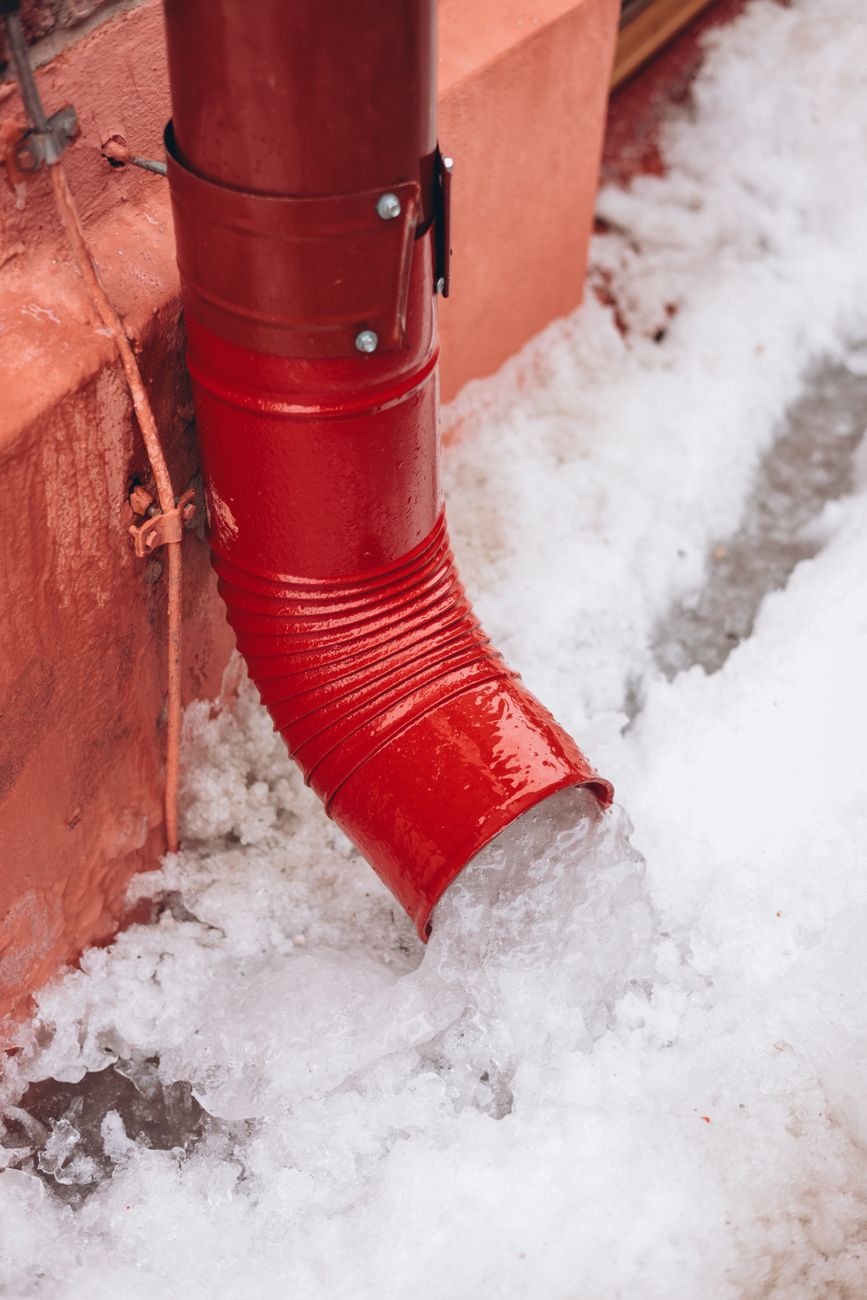
The winter of 2019, my neighbor’s kitchen ceiling collapsed. A pipe in his uninsulated exterior wall froze, burst, and flooded two floors before anyone noticed. The restoration bill was north of twenty thousand dollars.
Our houses were built the same year. I had the same pipe in the same wall. I have kept it from freezing every winter since with zero heat tape and zero fancy equipment.
The Drip Method
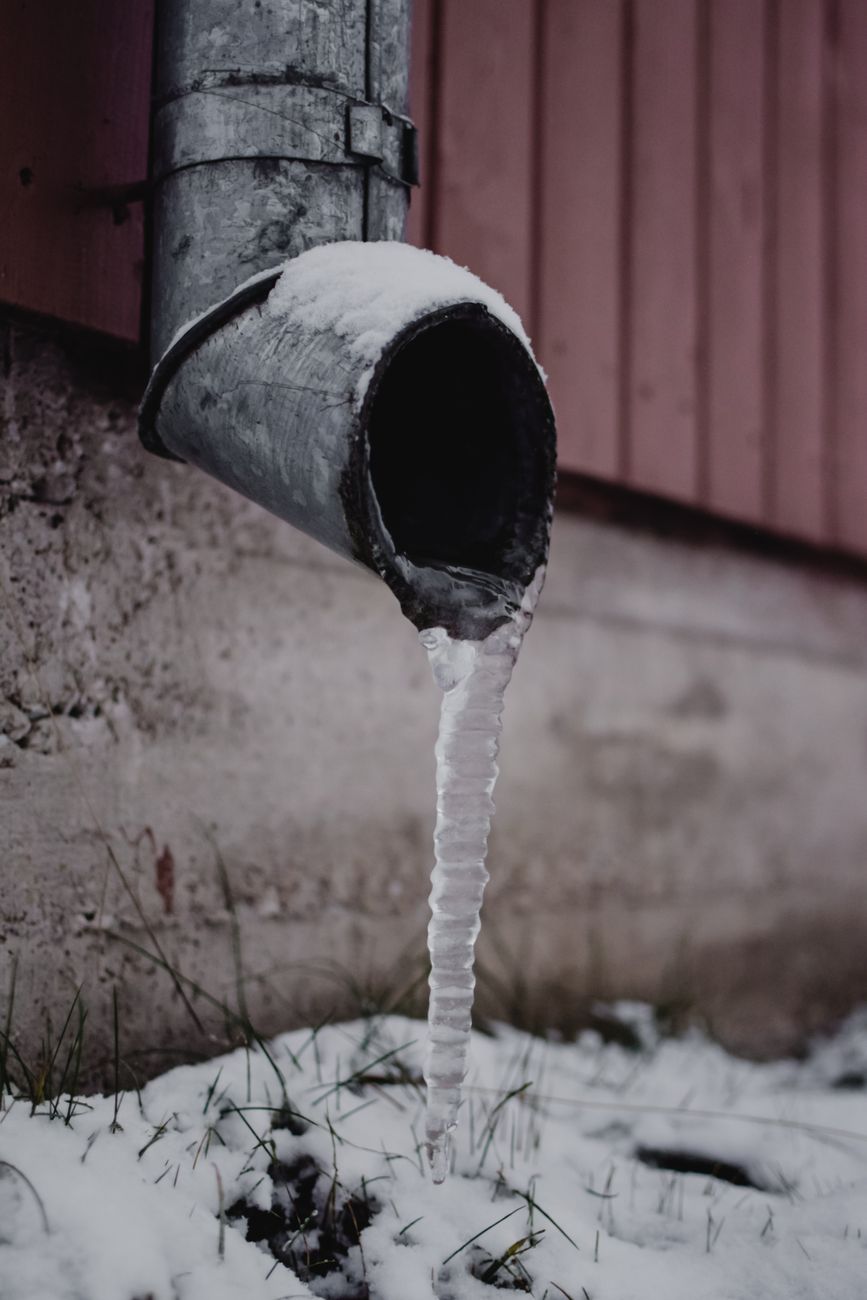
When overnight temperatures drop below about 20°F, let one faucet drip cold water—specifically the faucet farthest from where your water line enters the house. A pencil-lead-thin stream is enough. Moving water resists freezing.
The faucet should be on a cold water line, not hot. Hot water pipes freeze faster than cold because the water has been heated and is closer to the temperature where pipes burst. Counterintuitive but true.
Yes, you are paying for the water you drip. A slow drip uses maybe a gallon overnight. That costs about a penny. A burst pipe costs thousands. Drip the faucet.
Open Cabinet Doors
Pipes under kitchen and bathroom sinks run along exterior walls. Those cabinets trap cold air against the pipes. Open the cabinet doors before bed on freezing nights so warm room air circulates around the plumbing. This alone can be the difference between frozen and not.
If you have small children or pets who will get into cleaning supplies under the sink, move those bottles somewhere else temporarily. An open cabinet with drain cleaner in it is a different kind of emergency.
Seal the Gaps
Find where pipes enter your house. Usually in the basement or crawlspace. There is almost always a gap around the pipe where it passes through the wall or floor. Cold air pours through that gap directly onto the pipe. Stuff it with steel wool and spray foam—steel wool blocks rodents, foam blocks air.
Check around outdoor hose bibs too. If you can feel cold air near a pipe with your hand, seal it. Expanding foam costs five dollars a can and takes ten minutes to apply.
Disconnect Outdoor Hoses Now
If you still have a garden hose attached to an outdoor spigot, take it off. Water trapped in the spigot will freeze and crack the pipe inside the wall. A frost-free spigot only works if nothing is attached to it keeping the valve open.
Put an insulated cover over the spigot too—the foam domes at the hardware store are about three dollars each. They work.
If Pipes Do Freeze
You will know because a faucet stops flowing. Keep the faucet open. As the ice melts, water needs somewhere to go—the open faucet relieves pressure and reduces the chance of a burst. Warm the pipe slowly with a hairdryer or a heating pad, working from the faucet end back toward the frozen section. Never use a blowtorch or open flame. Every winter someone burns their house down trying to thaw pipes with a propane torch.
📋 Quick Summary: Let the farthest cold-water faucet drip overnight, open under-sink cabinet doors, seal gaps where pipes enter the house, and remove outdoor hoses. A penny’s worth of dripping water beats a twenty-thousand-dollar flood.