How to Prevent Pipes From Freezing During a Cold Snap
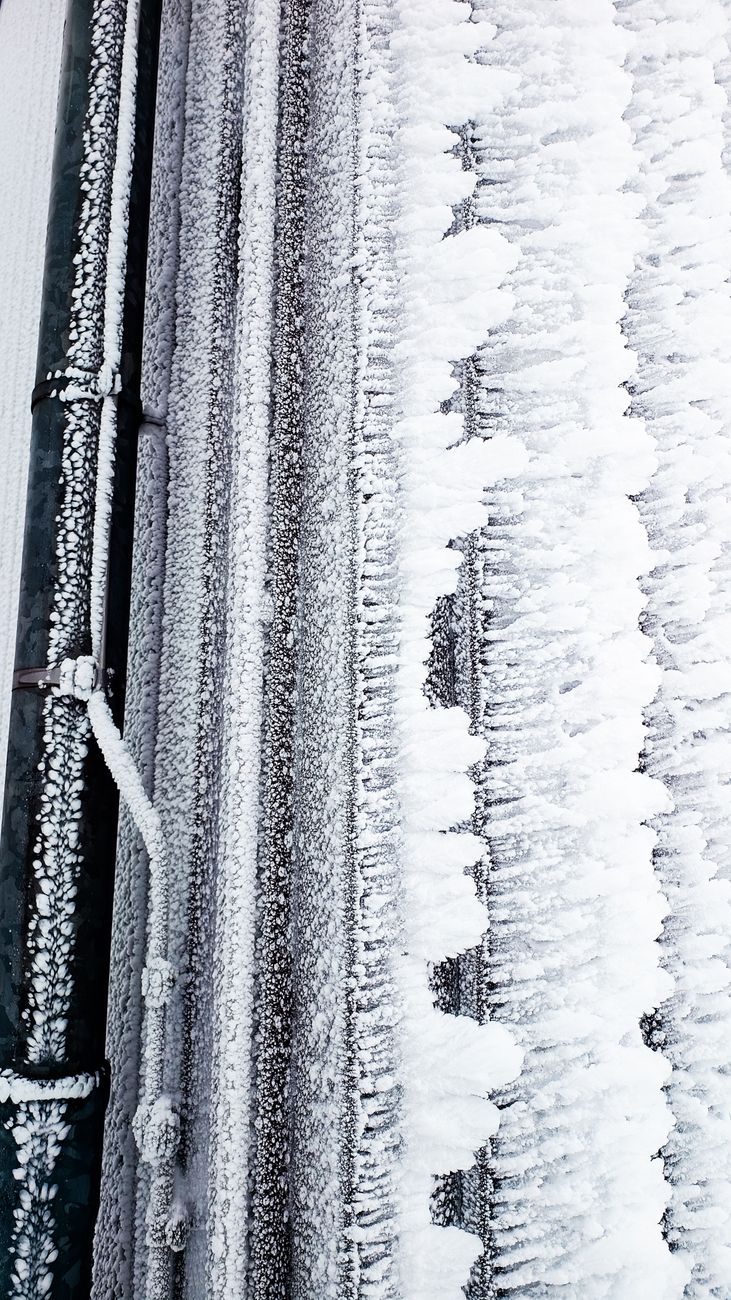
The year we bought our house we got hit with a cold snap in February — single digits for four straight days. I did not know anything about frozen pipes. I figured pipes were inside the walls, walls have insulation, everything would be fine.
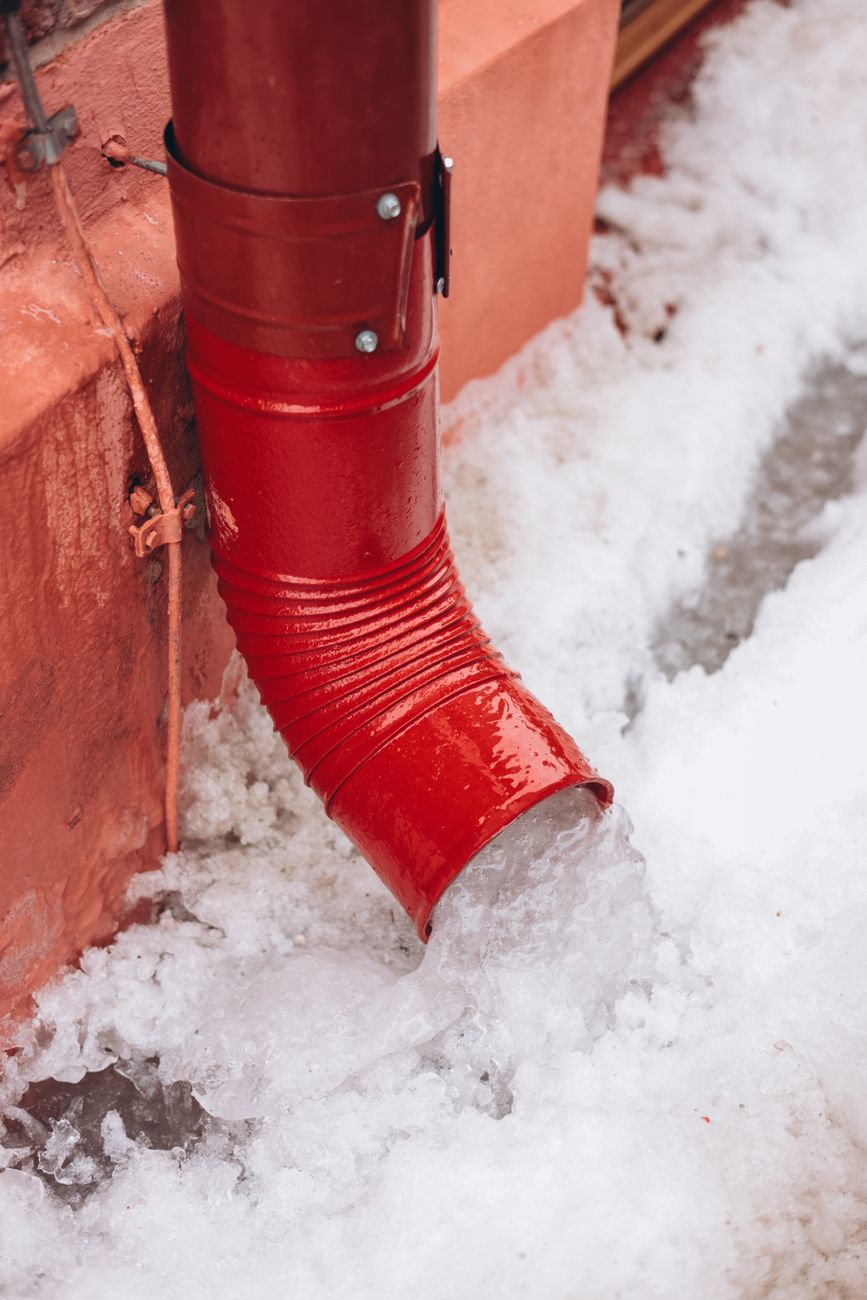
I was wrong. The kitchen sink pipes ran through an exterior wall with almost no insulation. They froze on day two. No burst, thank goodness, but no water in the kitchen for two days. I showered at the gym and washed dishes in the bathroom.
I learned more about frozen pipes that winter than I ever wanted to know.
Which Pipes Are at Risk
Not all of them. The dangerous ones are in unheated spaces: basements, crawl spaces, attics, garages. And especially in exterior walls — kitchens and bathrooms where pipes run along outside walls with inadequate insulation. These freeze at around 20°F outside temperature. If the wind is blowing, it happens faster.
Five Things That Actually Prevent Freezing
- Drip your faucets. This is the one everyone knows but it works. Moving water freezes at a lower temperature than still water. A trickle — not a drip, an actual thin stream — from both hot and cold taps on vulnerable faucets. It costs a few dollars on your water bill and saves you thousands in burst pipe repairs.
- Open cabinet doors. The cabinets under kitchen and bathroom sinks block warm air from reaching the pipes. Open them at night so heated room air circulates around the pipes.
- Keep the thermostat steady. Do not turn it down at night during a cold snap. The overnight temperature drop in the house is when pipes freeze. Keep it at least 55°F, preferably higher.
- Disconnect outdoor hoses. A frozen hose connected to a spigot pushes ice pressure back into the pipe inside the wall. That is how outdoor faucets burst. Disconnect hoses in October.
- Seal air leaks. Check where pipes enter the house. Gaps around the pipe let freezing air directly onto the pipe. Fill gaps with caulk or spray foam.
What If They Already Froze?
If you turn on a faucet and nothing comes out — or just a trickle — the pipe is frozen. Keep the faucet open. As the ice melts, water needs somewhere to go. Flowing water helps melt the rest of the ice.
Apply heat with a hair dryer, heating pad, or space heater. Never an open flame. Start from the faucet end and work backward toward the frozen section. You will know it is working when water starts flowing.
If a pipe has burst, shut off the main water valve immediately. That valve is usually in the basement, crawl space, or near the water meter. Know where it is before you need it.
📋 Quick Summary: Drip faucets, open cabinet doors, keep thermostat steady, disconnect outdoor hoses, and seal air leaks around pipes. If a pipe freezes, keep the faucet open and apply heat with a hair dryer.