How to Prevent Motion Sickness Before It Starts on a Road Trip
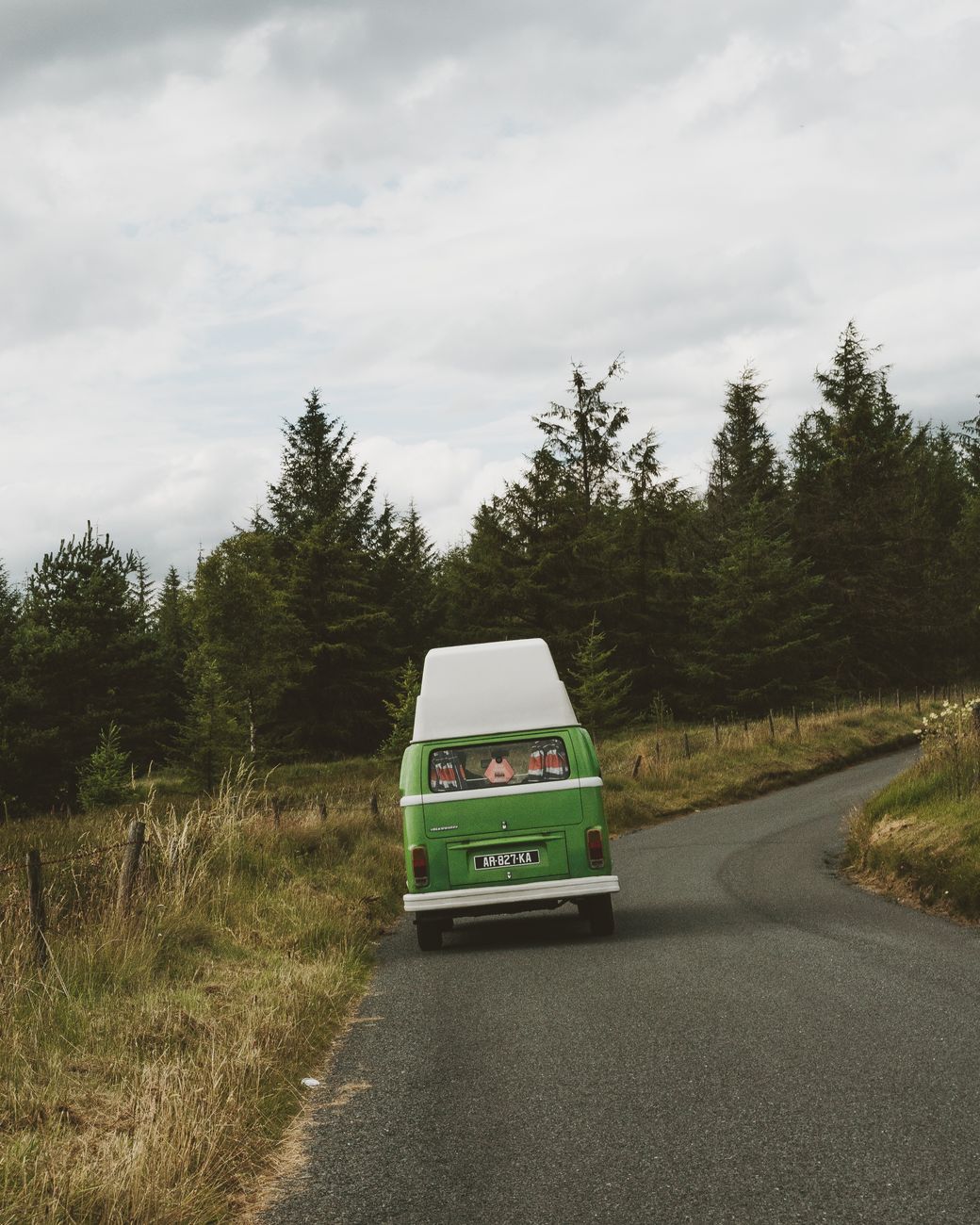
I once got carsick on a winding mountain road in Colorado about twenty minutes into a four-hour drive. There was nowhere to pull over for the next eight miles. I spent those miles with my forehead pressed against the cold window, breathing through my mouth, regretting every decision that had led me to that moment.
Motion sickness is your brain receiving conflicting signals. Your inner ear feels the car moving — turns, bumps, acceleration. Your eyes are looking at the back of the seat in front of you, which is not moving. Your brain concludes that you have been poisoned and tries to get the toxins out. That is literally what is happening. Evolution did not account for minivans.
Prevention is everything
Once the nausea sets in, you are mostly managing damage. The real strategy is to stop it before it starts. Here is what actually works, ranked from most to least effective based on my personal motion-sickness resume.
1. Pick the right seat
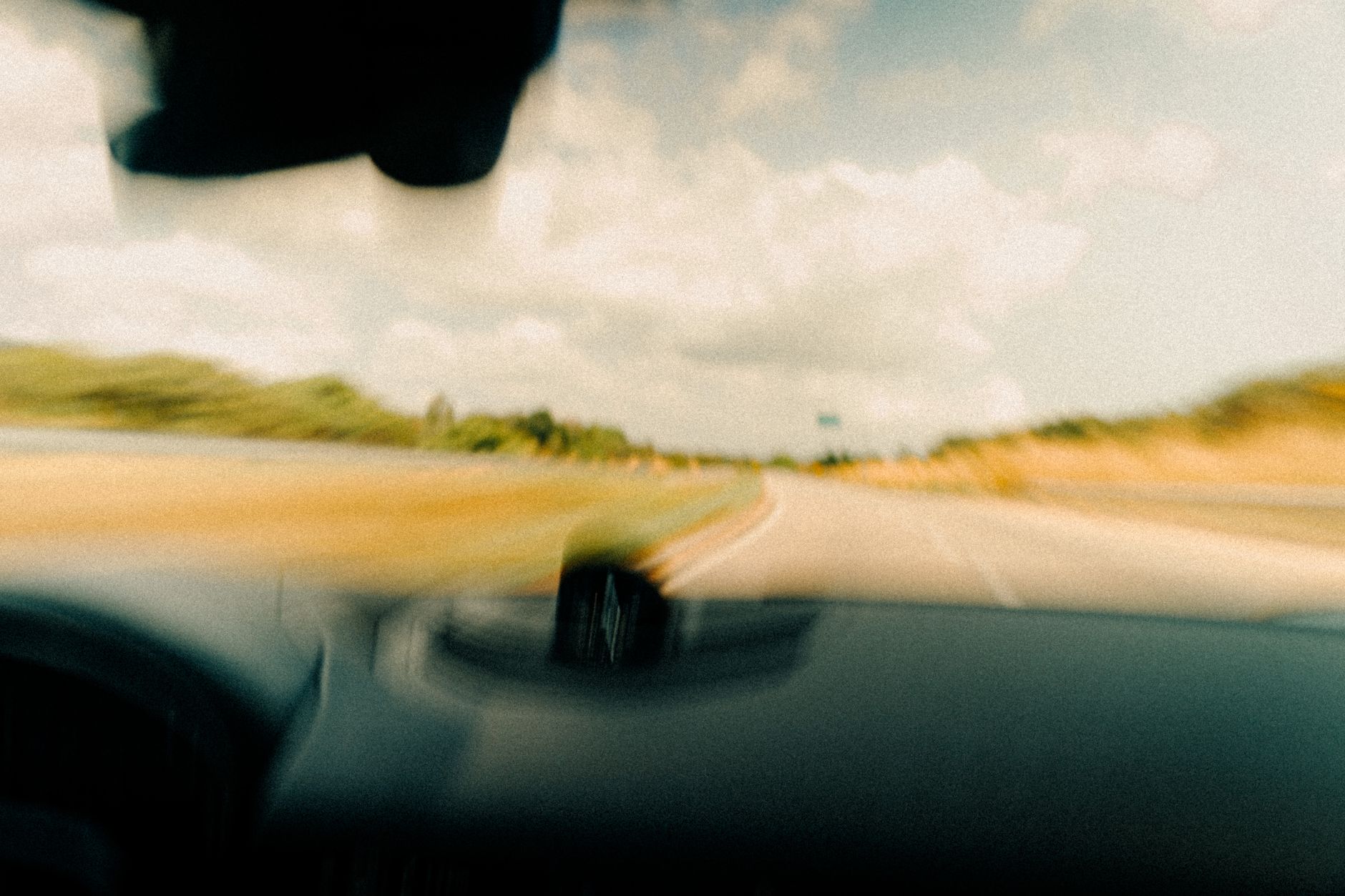
In a car: front passenger seat. You can see the horizon and the road ahead. Your eyes and inner ear agree about what is happening. In the back seat, you see the seat back and feel the car moving — mismatch, nausea.
On a bus: sit near the front, by a window. Same principle. On a boat: stay on deck, near the center of the vessel where motion is least. Below deck is a motion sickness factory.
2. Look at the horizon
Fix your eyes on a distant, stationary point — the horizon, a faraway mountain, the road ahead. This gives your brain a stable visual reference that matches what your inner ear is feeling. Do not look at your phone. Do not read a book. Both of those things are motion sickness accelerators.
3. Ginger actually works
A meta-analysis of six studies found that ginger reduces motion sickness symptoms better than a placebo. Eat a few candied ginger pieces or drink ginger tea about thirty minutes before the trip. Ginger capsules work too. I keep a bag of candied ginger in my glove compartment now. It tastes like spicy dirt but it helps.
4. Fresh air and temperature
Crack a window. Moving air helps more than you would think. If it is too cold for that, aim the AC vent at your face. Stale, warm air makes nausea worse.
5. Medication as backup
Dimenhydrinate (Dramamine) or meclizine (Bonine) taken an hour before travel. The downside is drowsiness — Dramamine especially can knock you out. The non-drowsy versions are less sedating but also less effective. I use these only for boat trips or flights, where ginger alone is not always enough.
📋 Quick Summary: Front seat, eyes on horizon, ginger thirty minutes before, fresh air, medication as last resort. Once nausea starts you are in damage control — prevention is the real game.