How to Prep Your Garden for the First Frost
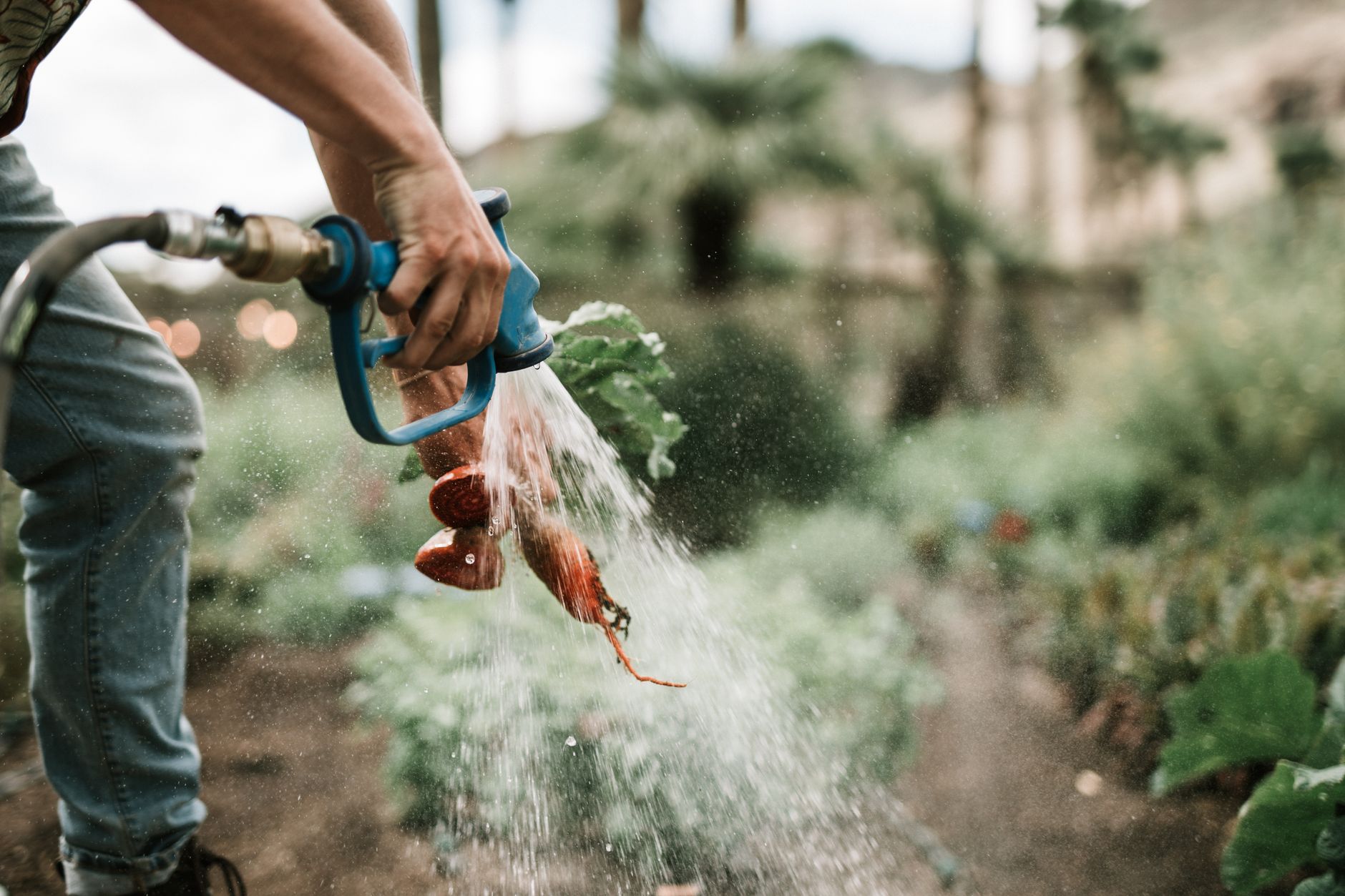
The first frost used to sneak up on me every year. One morning in October I would look outside and my tomato plants would be black and drooping, and I would be out there at sunrise trying to salvage green tomatoes in my pajamas.
Now I watch the forecast and prep a full week ahead. It makes the difference between a sad scramble and a calm close out.
What to save first
Anything tender dies in the first frost: tomatoes, peppers, basil, cucumbers, and squash. The goal is to harvest or protect them before that first cold night hits.
- Pick every mature tomato and pepper, even the green ones. Green tomatoes ripen on a sunny windowsill.
- Cut herbs like basil and hang them to dry, or chop and freeze them.
- Dig up tender bulbs like dahlias and store them in a cool, dry spot.
- Cover anything you want to squeeze one more week out of with a frost blanket or old sheet.
The key word is before. Once frost hits, the plant cells burst and there is no saving them.
What to leave alone
Not everything needs to come out. Kale, carrots, Brussels sprouts, and spinach all get sweeter after a frost and can stay in the ground through the cold. So can most root vegetables if you mulch them heavy.
My one regret this season was pulling my carrots early because I thought everything had to go. They were fine. Some things are supposed to freeze a little.
After you clear the beds, spread a layer of leaves or straw over the soil. It feeds the dirt through winter and you wake up in spring with a bed that is already halfway ready to plant.
📋 Quick Summary: Harvest or cover tender plants before the first frost, leave cold hardy crops like kale and carrots in the ground, and mulch empty beds for spring.