How to Pack Away Winter Clothes So Moths Do Not Ruin Everything
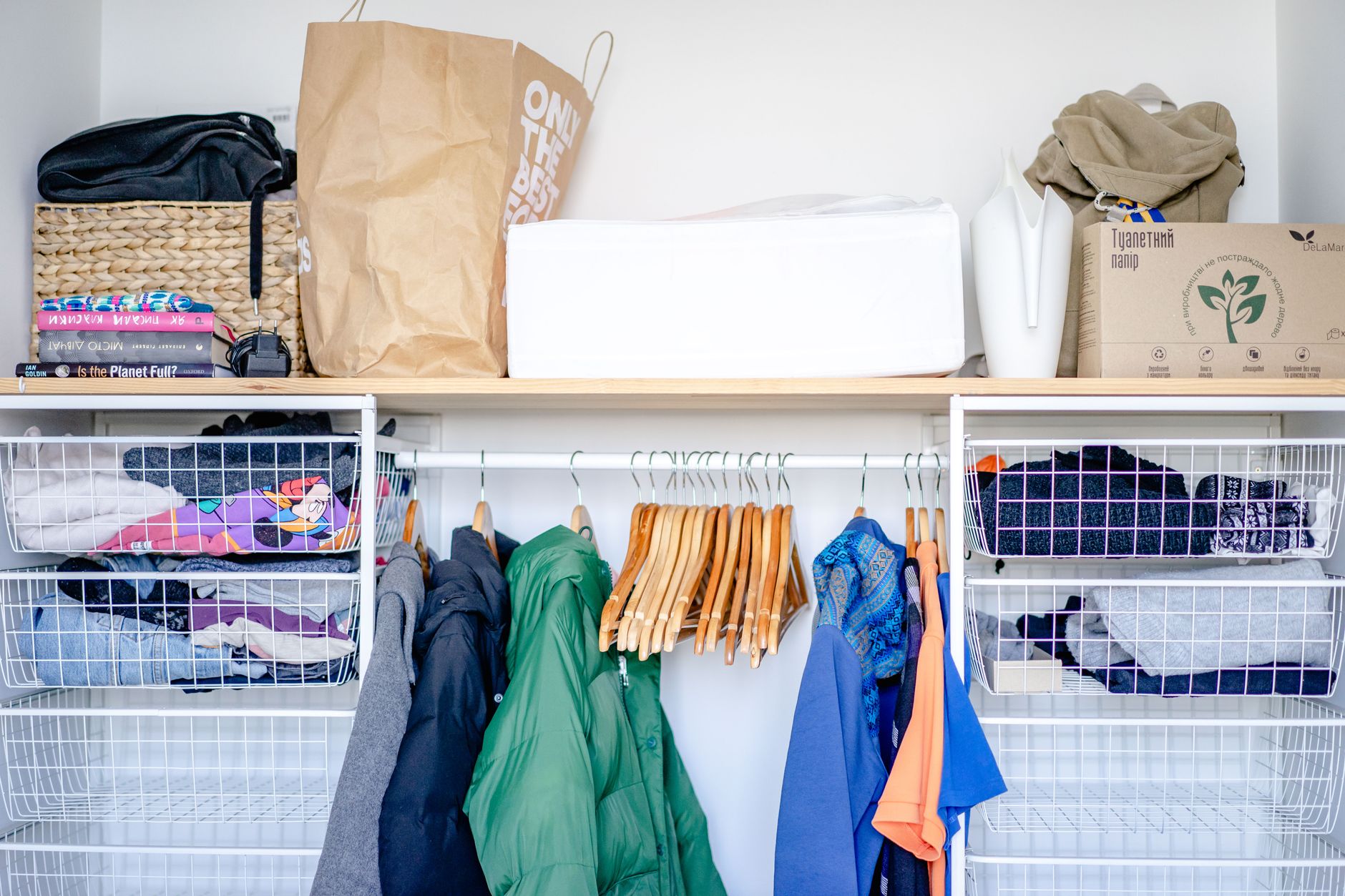
I pulled my favorite wool sweater out of storage last November and it had more holes than a golf course. Three months of careful folding and packing, undone by moths the size of my pinky nail. I have not made that mistake twice.
Storing winter clothes is not just about fitting them into bins. It is about making sure they are still wearable when you need them again.

Wash everything first (yes, everything)
Moths are attracted to body oils, food residue, and sweat — not the fabric itself. A wool sweater that seems clean to you smells like an all-you-can-eat buffet to a moth. Dry clean or wash every single item before storage. Even clothes you wore once. Especially those.
Cedar is real, but it needs maintenance
Cedar blocks and cedar-lined chests repel moths — but only when the oils are fresh. After a year or two, cedar is just nice-smelling wood. Sand the surface of cedar blocks with fine grit sandpaper to release fresh oils before each storage season. Or add a few drops of cedar essential oil.
Lavender sachets smell nice but do very little against moths. Do not rely on them.
Vacuum bags for bulky items
Those space-saver vacuum storage bags are genuinely useful for coats, comforters, and chunky sweaters. They compress bulky items to a fraction of their size and — crucially — create an airtight seal that moths cannot penetrate. Just make sure the items are completely dry before sealing, or you will open them to a mold situation.
Bins over cardboard boxes
Cardboard boxes are moth highways. The corrugated channels give larvae places to hide and pupate. Use plastic bins with tight-fitting lids. Clear bins are best — you can see what is inside without opening everything and letting moisture in.
Add a desiccant pack
Toss a silica gel pack (the kind that comes in shoe boxes) into each bin. Moisture is the secondary enemy after moths. A damp wool coat in a sealed bin for six months is a mildew farm.
📋 Quick Summary: Wash or dry clean everything before storage, sand cedar blocks to refresh the oils, use vacuum bags for bulky items, store in plastic bins (not cardboard), and add silica gel packs. Your future self pulling out an intact sweater in November will thank you.