How to Pack a Backpack for Summer Hiking Without Overpacking
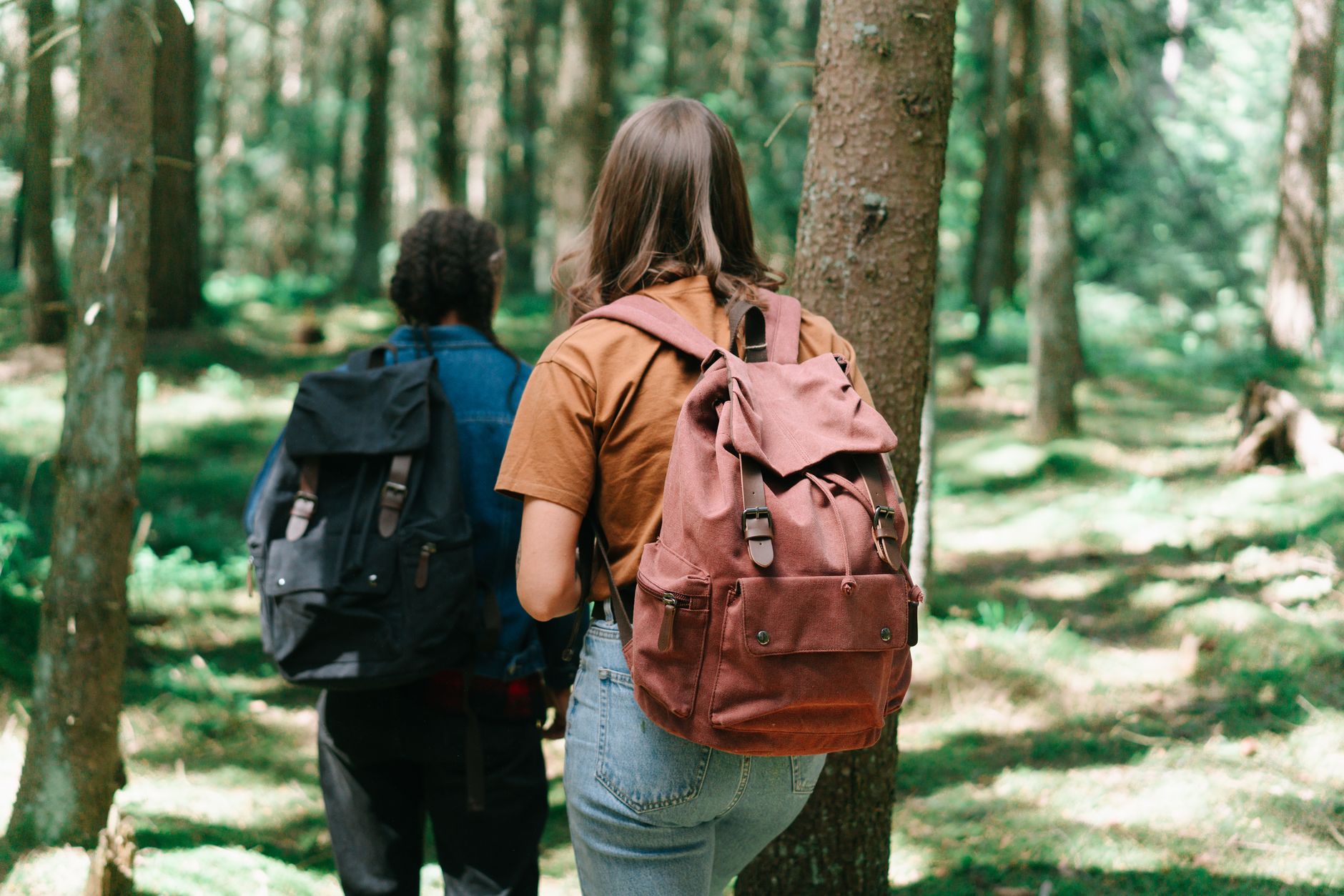
My first real hike, I packed like I was moving out of my apartment. Three water bottles (reasonable), a full first aid kit (okay), two sandwiches, trail mix, a book, a camera, a rain jacket, an extra pair of socks, and for some reason a can of beans. By mile four I was ready to leave half my stuff on the trail.
The Golden Rule of Pack Weight
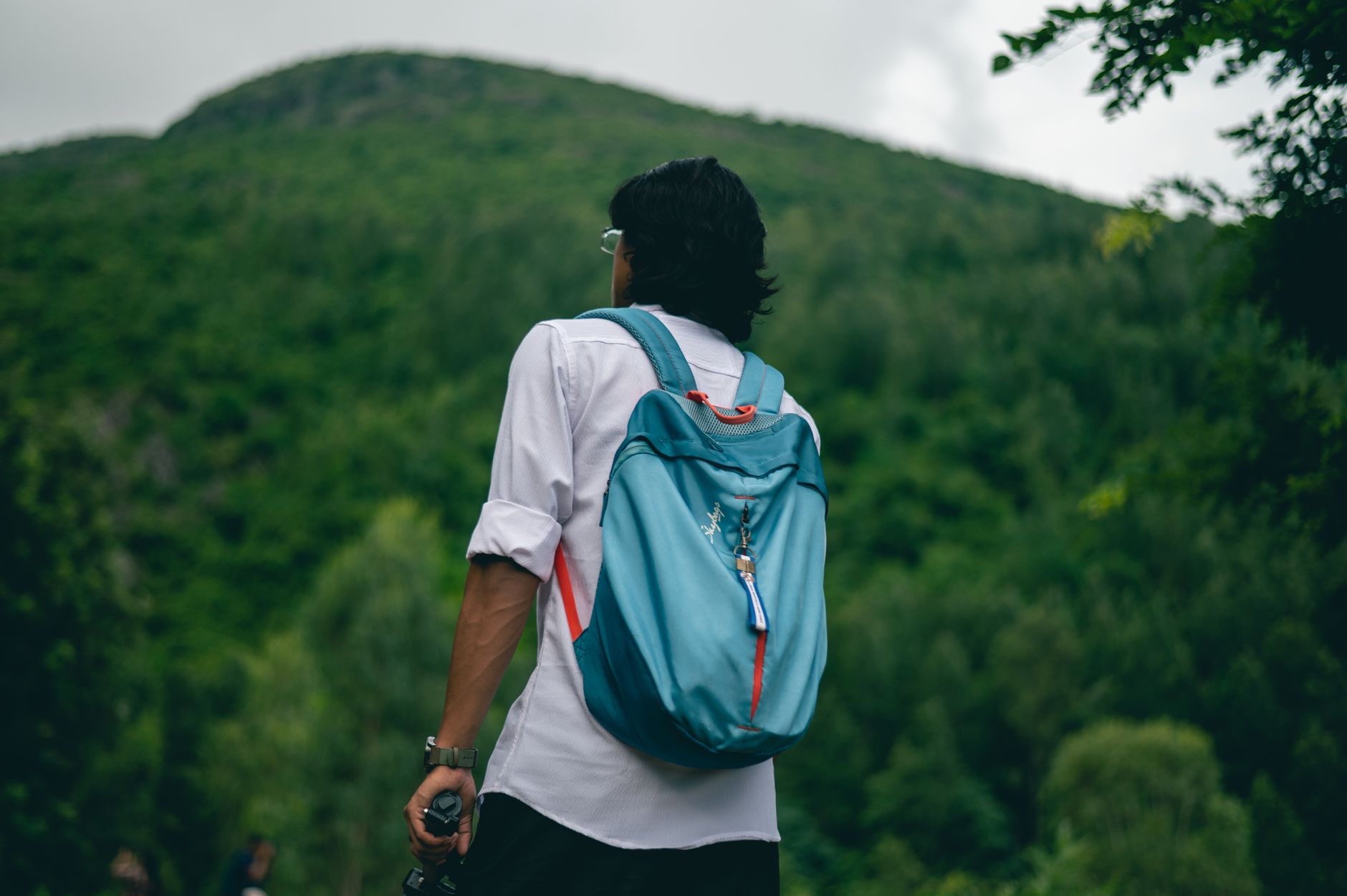
Your fully loaded day pack should weigh no more than 10 to 15 percent of your body weight. For a 160-pound person, that is 16 to 24 pounds max — and for a summer day hike you should be way under that. Every extra pound is a pound your knees and lower back have to manage for miles. It adds up faster than you think.
The Layer System That Actually Makes Sense
Forget the “pack for every possible scenario” mindset. Summer hiking needs three things:
- What you are wearing: Moisture-wicking shirt, lightweight hiking pants or shorts, wool socks (they dry fast and do not blister). No cotton — cotton soaks up sweat and stays wet.
- A lightweight rain shell: The kind that packs into its own pocket and weighs 6 ounces. Summer storms come fast and this is all you need.
- A thin fleece or long sleeve: For summits where the wind kicks up. Even in July, a mountain peak at elevation can be 20 degrees colder than the trailhead.
That is it. Three pieces. Not a wardrobe.
The Packing Order That Keeps You Balanced
How you arrange stuff in your pack matters just as much as what you bring. A poorly packed bag pulls you backward on inclines and makes you top-heavy on descents.
- Bottom of pack: Sleeping bag or pad (if carrying), then your extra layer and rain shell — the things you do not need until you stop.
- Middle of pack (against your back): The heaviest items — water reservoir or water bottles, food. Keeping weight close to your spine improves balance.
- Top of pack: Snacks, sunscreen, map, phone, headlamp. The stuff you need to grab without unpacking.
- Outer pockets: Water filter, bug spray, small first aid kit.
What I Now Leave Behind
Unless I am camping overnight, I skip the full cook kit, the hatchet (I actually brought one once), the heavy binoculars, and anything canned. A single Cliff bar weighs about as much as a can of beans and does the same job. I also stopped bringing a dedicated camera — my phone takes good enough pictures and saves me two pounds.
Water is the one thing do not skimp on. In summer heat, half a liter per hour of moderate hiking is the minimum. Know where water sources are on your route and bring a filter (like a Sawyer Squeeze) so you can refill.
📋 Quick Summary: Pack under 15% of your body weight. Layers: what you wear + rain shell + thin fleece. Heavy items against your spine, light items on top. Bring a water filter so you can carry less water.
My pack is half the weight it used to be and I enjoy the hiking part way more. Funny how that works.