How to Make Scrambled Eggs Fluffy Without Milk
The Milk Myth
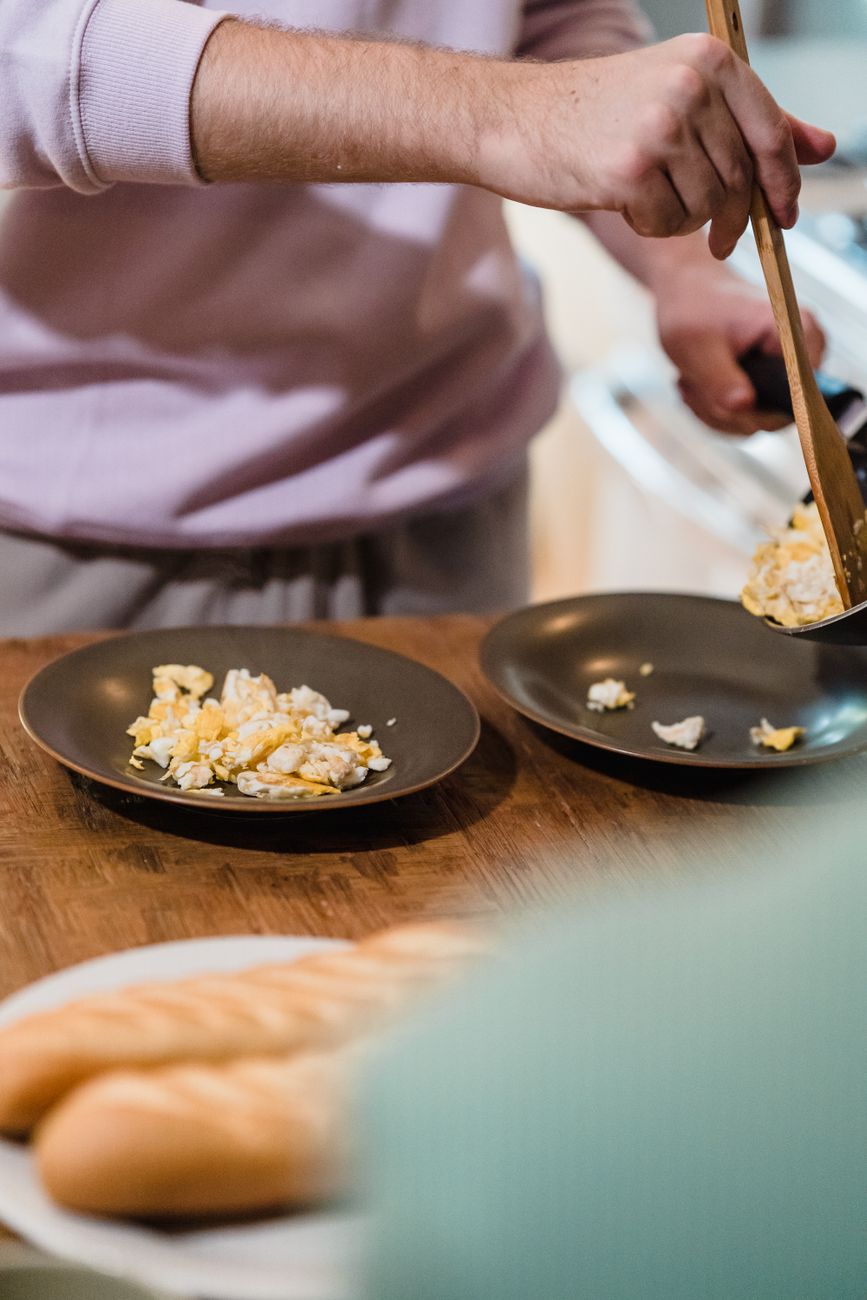
My grandmother always added milk to scrambled eggs, so I did too. Then I ran out of milk one morning, made the eggs without it, and they came out fluffier than they had ever been. I have not added milk since.
Milk does not make eggs fluffier. It makes them thinner. The liquid dilutes the eggs, which means they take longer to set and can turn watery. The fluff comes from technique, not dairy.
The Real Fluff Builders
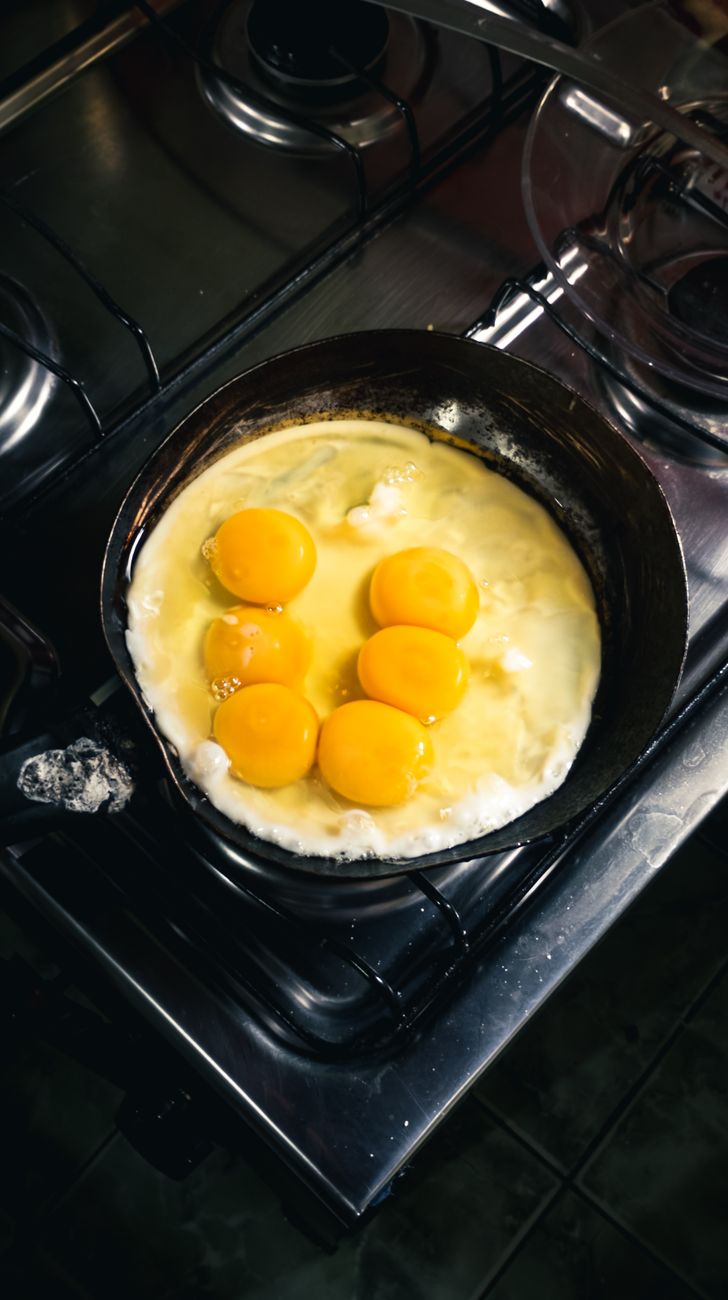
Three things actually make scrambled eggs light and airy:
- Whisk hard, whisk long. Two minutes of whisking beats in air. You want the yolks and whites completely blended and slightly frothy on top
- A splash of water. Water steams inside the eggs as they cook, and steam is what lifts them. A teaspoon per egg does it
- Low heat and patience. High heat makes eggs tough. Low heat lets them set slowly, and the trapped air stays trapped
If you want richness without milk, a small knob of butter melted in the pan first does more than any liquid ever will.
The Low and Slow Method
Here is exactly what I do now:
- Whisk the eggs with a splash of water and a pinch of salt
- Melt butter in a nonstick pan over low heat
- Pour in the eggs and wait thirty seconds before touching them
- Push the cooked edges toward the center with a spatula, letting the raw egg flow to the edges
- Pull the pan off the heat while they still look slightly wet, because they keep cooking on the plate
The slightly wet look is the goal. Eggs that look dry in the pan are already overcooked by the time you sit down.
One More Mistake to Avoid
Salt at the end, not the start. Salt added early pulls moisture out of the eggs and makes them weepy. Season after they come off the heat.
My grandmother’s eggs were good. Mine are better now, and they do not need milk to get there.
📋 Quick Summary: Skip the milk. Whisk eggs hard with a splash of water, cook low and slow in butter, and pull them off the heat while still slightly wet.