How to Make Crystal Clear Soup Every Time
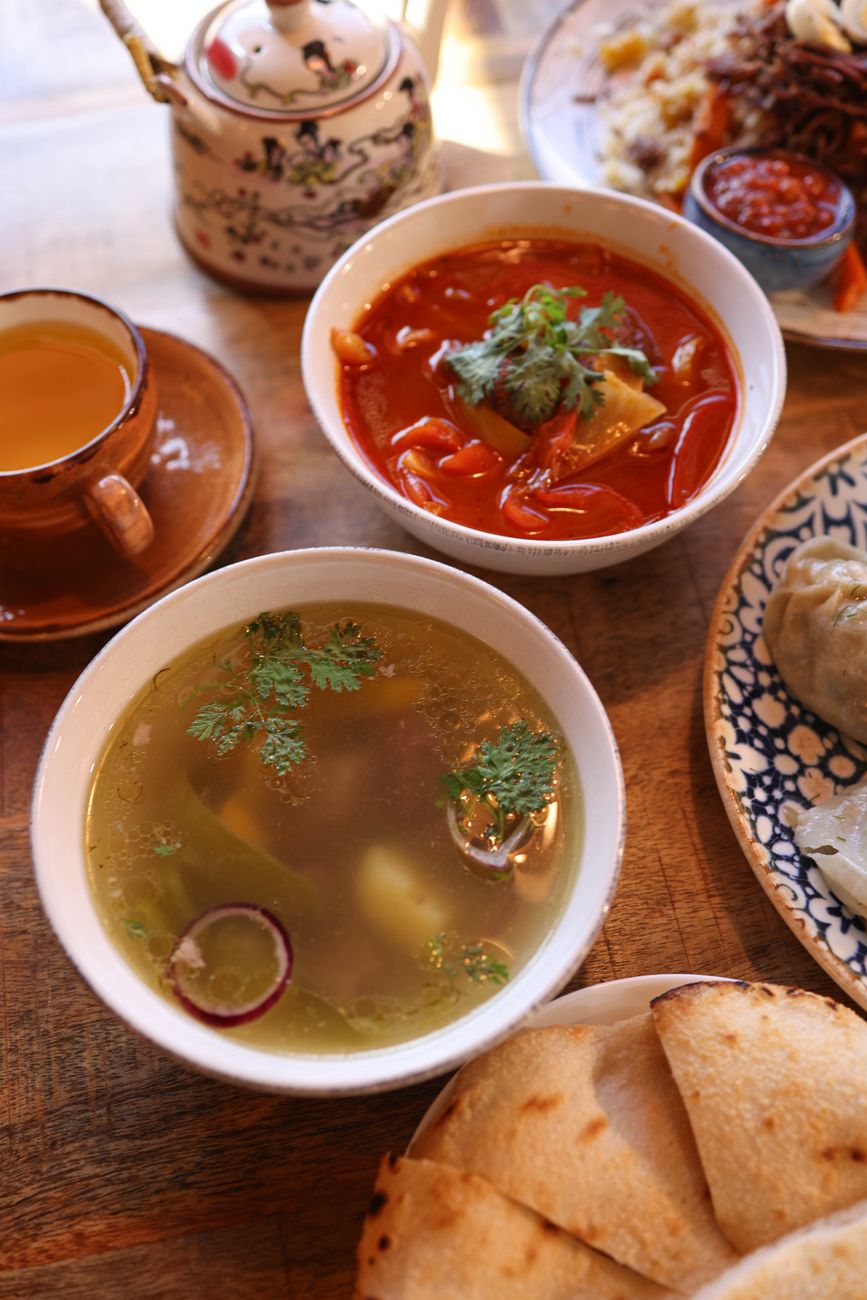
I once served a dinner party chicken noodle soup that looked like dirty dishwater. It tasted fine — actually, it tasted great — but everyone’s first reaction was visible hesitation. You eat with your eyes first and my soup failed the eye test.
Clear soup isn’t about flavor. It’s about technique. And the technique is simpler than you’d think.
What makes soup cloudy
Cloudiness comes from emulsified fat and protein particles suspended in the liquid. When you boil meat and bones too aggressively, the violent bubbling breaks fat into microscopic droplets that scatter light — that’s the cloudiness. The proteins from the meat also coagulate into tiny particles that float instead of settling.
Day-to-day tricks
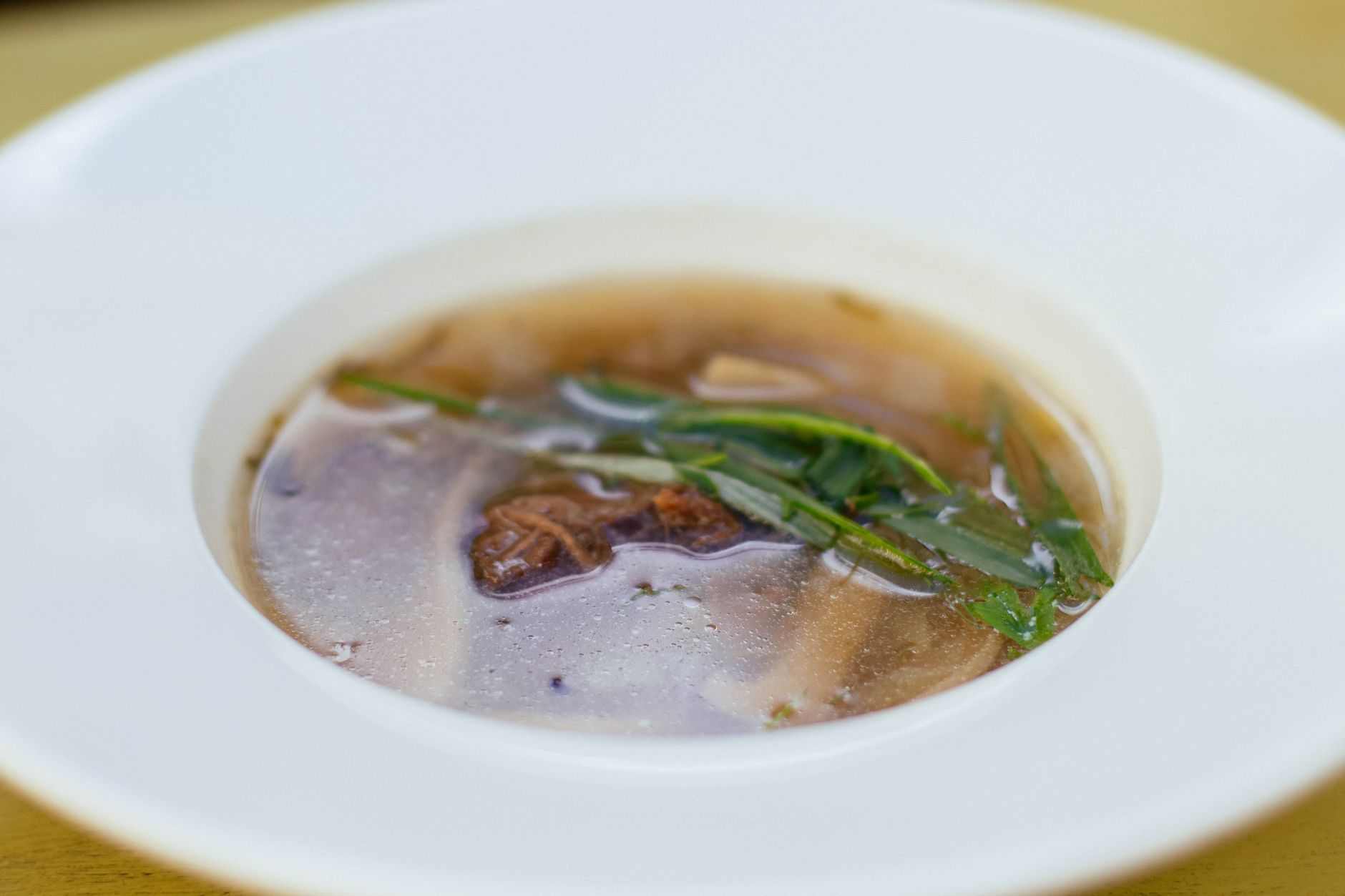
Blanch meat before adding to soup. Put the meat in cold water, bring to a boil for 2-3 minutes, dump the water, rinse the meat, then start your actual soup. This removes most of the impurities that would cloud the broth.
Don’t stir aggressively. Every stir breaks up particles. Gentle, occasional stirring only.
Strain through a coffee filter. For the clearest possible result, after cooking, strain through a paper coffee filter set in a fine-mesh strainer. Slow, but the result is restaurant-clear.
My soup is clear now. The dinner party guests still mention the “dishwater soup” occasionally. Some humiliations are permanent.
Quick Summary: Simmer, don’t boil. Skim foam aggressively in the first 20 minutes. For already cloudy soup, use the egg white raft method. Blanch meat before adding, stir gently, and strain through a coffee filter.