How to Dry Wet Boots Overnight Without Damaging Them
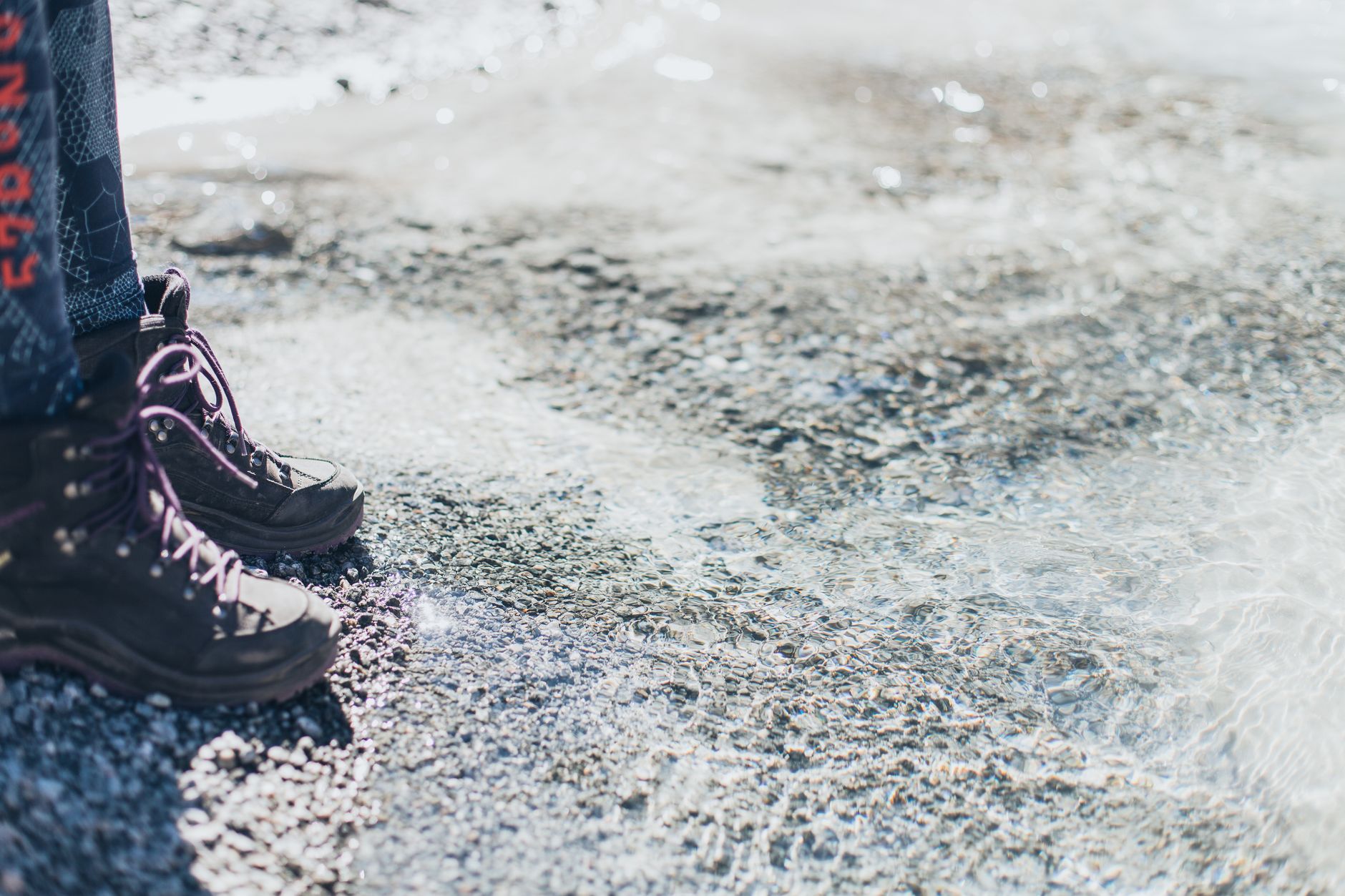
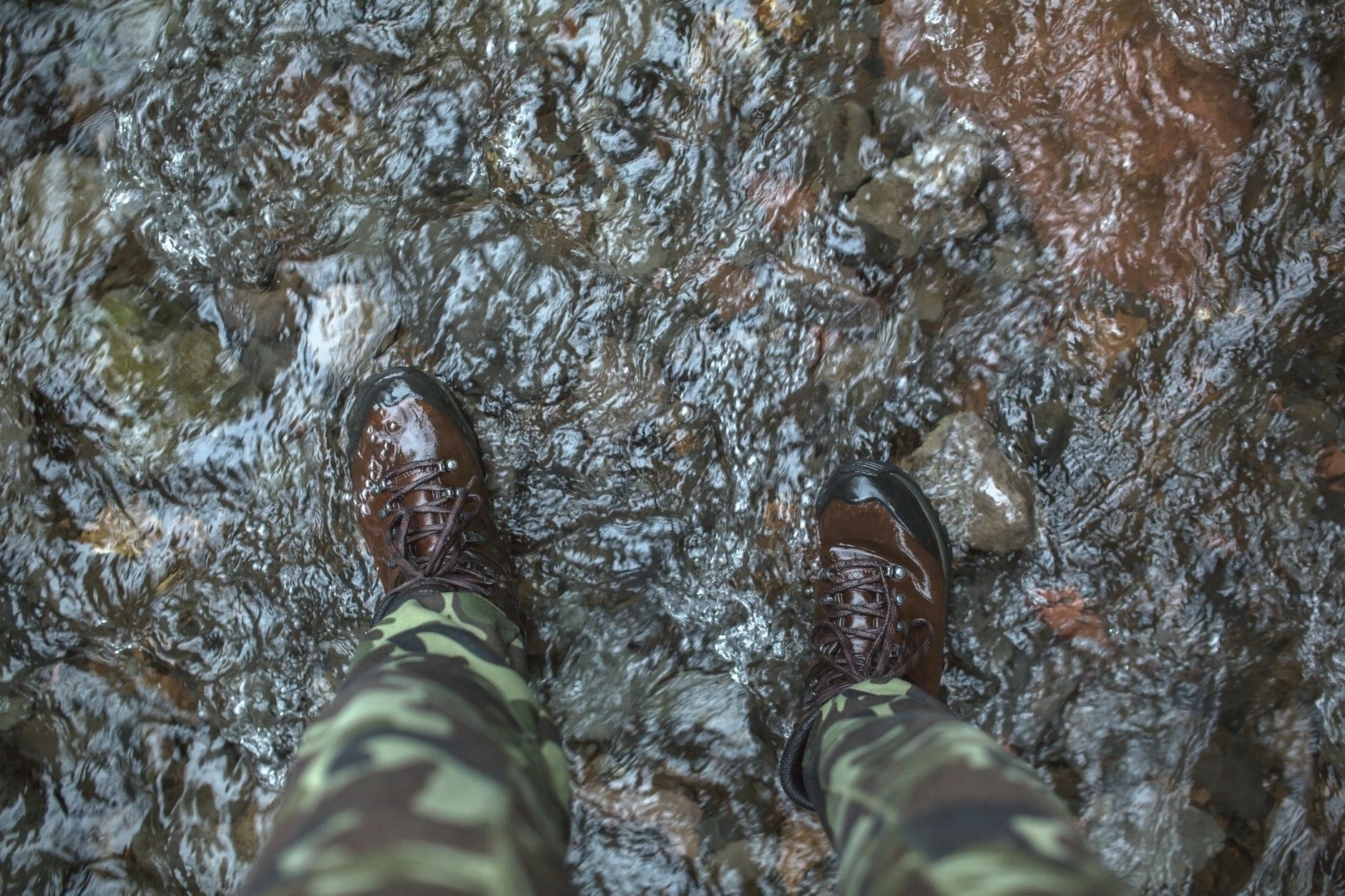
I went hiking in November once. The trail was wetter than I expected — by the time I got back to the car, my boots were soaked through and my socks made squishing sounds with every step. I got home, put the boots next to the radiator, and went to bed.
In the morning, the leather was stiff and cracking. The soles had started to separate from the uppers. I had taken a pair of boots that survived years of hiking and destroyed them in one night because I did not know how to dry them properly.
Never Use Direct Heat
Radiators, fireplaces, hair dryers on high heat, ovens — all of these will warp leather, weaken glue, and crack rubber. Heat dries the outside too fast while the inside stays wet, which causes the materials to shrink unevenly. If you only remember one thing from this article, let it be this: no direct heat on wet boots.
Newspaper — The Old Reliable
Remove the insoles and laces. Open the boots up as wide as they will go. Crumple sheets of newspaper loosely and stuff them inside the boots, packing them all the way to the toe. The newspaper absorbs moisture from the inside. After about four hours, remove the damp newspaper and replace it with fresh dry sheets. By morning, the boots will be mostly dry.
Do not use paper towels — they disintegrate when wet and leave bits of paper stuck to the inside of your boots. Newspaper is stronger and more absorbent.
Rice or Silica Gel for Faster Results
Fill an old sock with uncooked rice, tie it closed, and put one in each boot. Rice absorbs moisture faster than newspaper. If you have those silica gel packets that come in shoeboxes and electronics packaging, save them in a jar and pour a handful into each boot. They are the same desiccant used in commercial boot dryers.
Quick Summary: Remove insoles and laces. Stuff boots with newspaper or rice-filled socks. Replace after four hours. Never use a radiator, hair dryer, or any direct heat source.