How to Cut Your Electric Bill by Just Changing When You Run
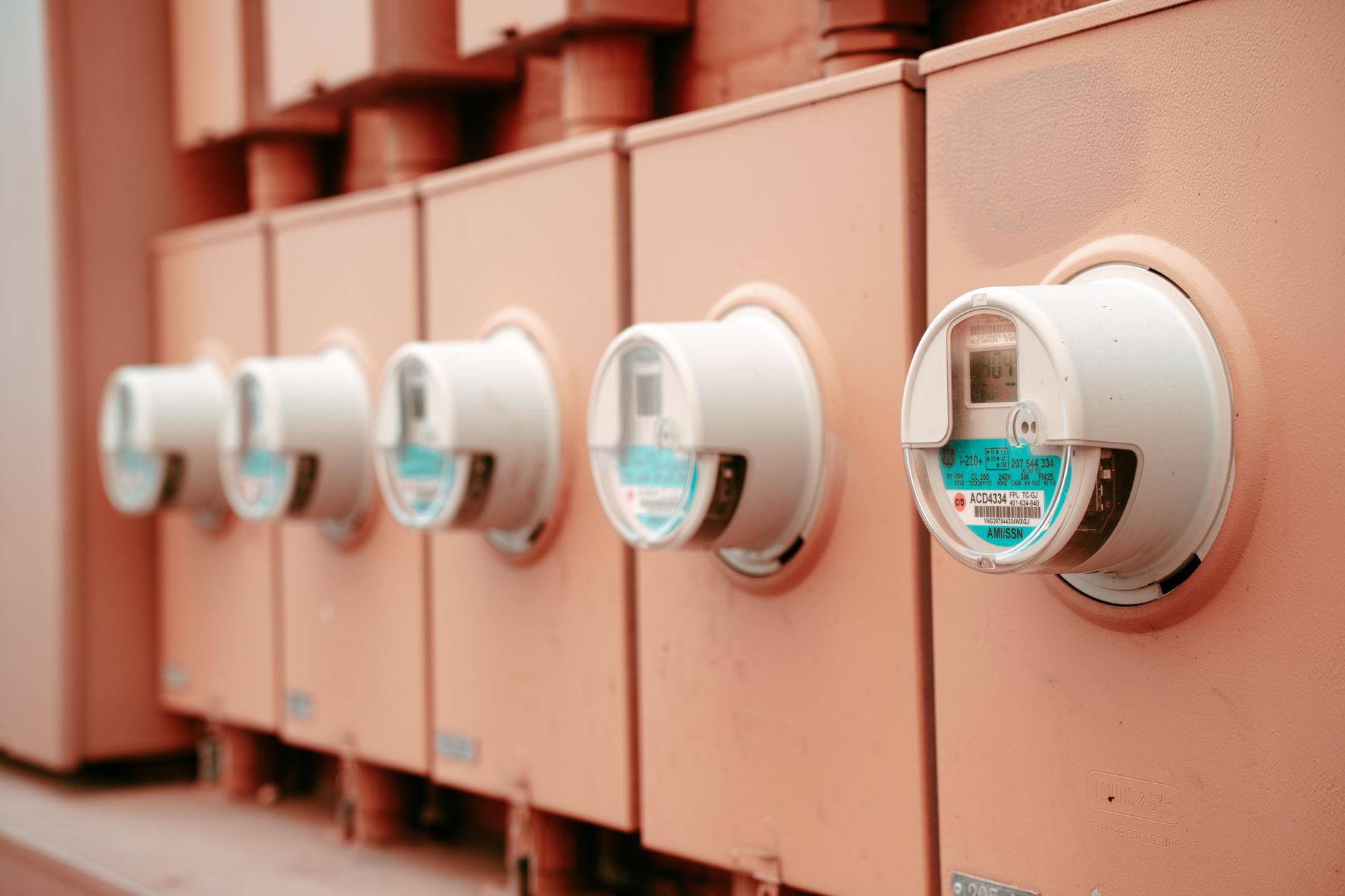
My electric bill was creeping up every month, and I could not figure out why. Same house, same appliances, but the number kept climbing. Then I learned about time-of-use rates, and it turned out I had been running my biggest appliances at the most expensive hours all along.
You do not have to use less electricity to pay less for it. Sometimes you just have to use it at a different time.
What time-of-use pricing is
A lot of power companies charge different rates depending on the time of day. Electricity is cheapest late at night and early in the morning, when demand is low. It is most expensive in the late afternoon and evening, when everyone gets home and cranks up the AC and the stove.
If your bill shows an on-peak and off-peak rate, then when you run your appliances directly changes what you pay.
The big-ticket items to shift
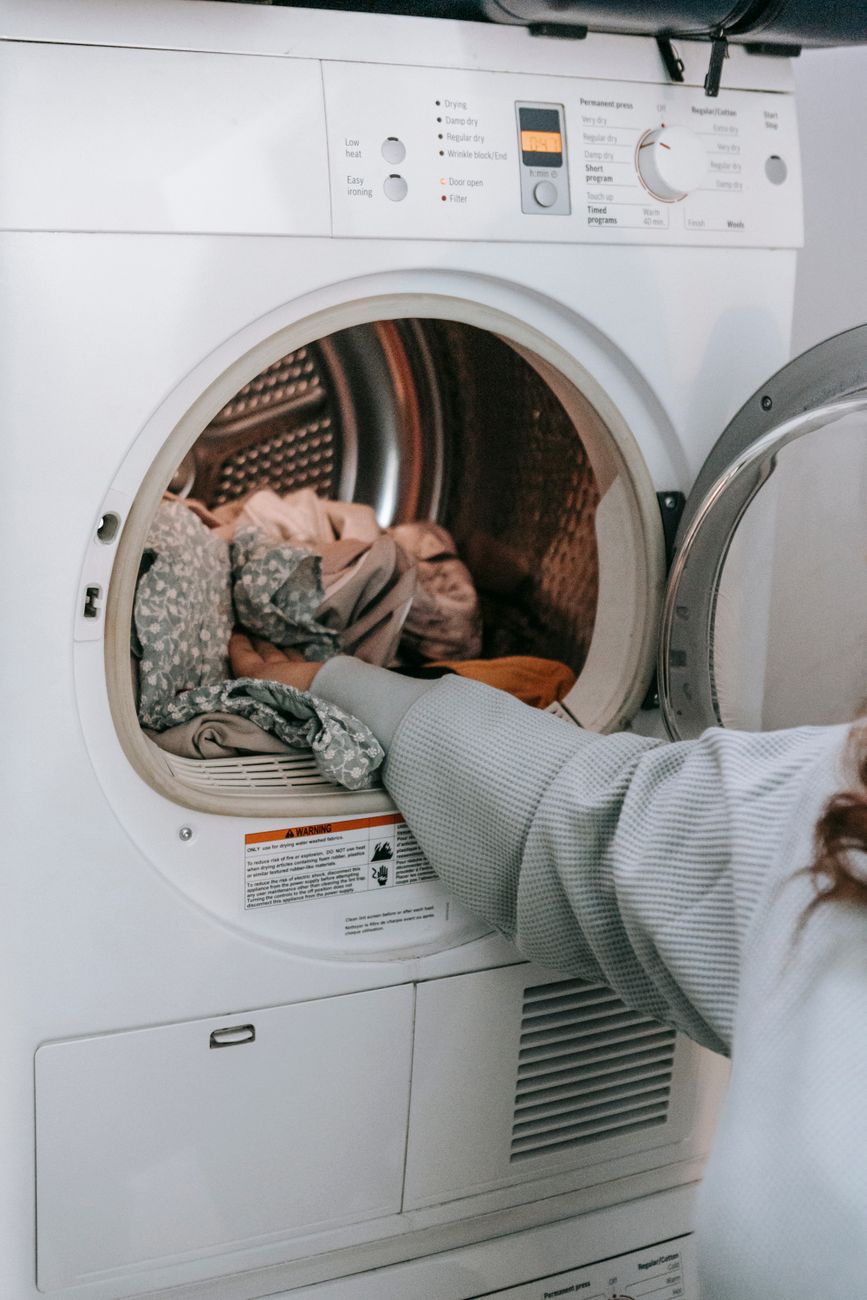
- Dishwasher and laundry are easy to run at night or early morning with the delay-start button.
- The water heater uses a surprising amount of power. A timer can shift it to off-peak hours.
- EV charging, if you have one, is the single biggest thing to move to overnight.
- Dehumidifiers and pool pumps can often run on a timer too.
Small changes that add up
Unplug things that draw power even when off, like chargers and game consoles. Run the dishwasher only when full. Use fans before you reach for the AC. None of these feel like a sacrifice, but together they show up on the bill.
I moved my laundry to weekend mornings and set the dishwasher on a delay timer. The very next bill was noticeably lower, and I had not used a single appliance less.
📋 Quick Summary: If your utility uses time-of-use rates, run dishwashers, laundry, and water heaters at night or early morning.