How I Learned to Say No Without a Ten-Minute Explanation

I used to say yes to everything. Can you help with this project? Yes. Can you come to this event? Yes. Can you take on this extra work? Yes, yes, yes. Then I would resent everyone involved — including myself — for being overwhelmed.
The problem was not that I was “too nice.” The problem was that I thought saying no required a courtroom-quality justification. I would spend ten minutes crafting an explanation of why I could not do the thing, complete with supporting evidence and a sincere apology. It was exhausting. And completely unnecessary.
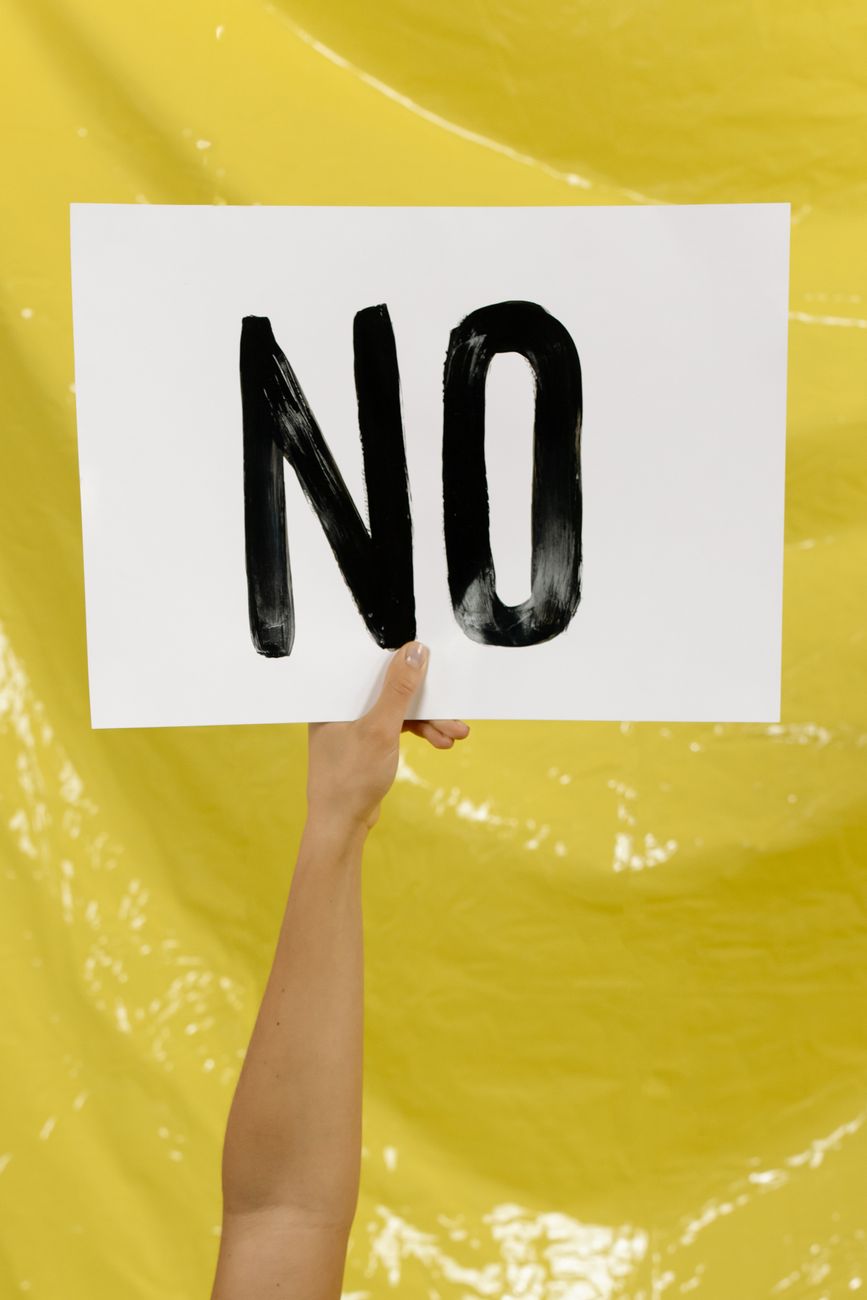
The Scripts That Changed Everything
I now have a handful of responses I rotate depending on the situation. They all feel different to say, but they accomplish the same thing: decline without over-explaining.
For Work Requests
“I would not be able to give this the attention it deserves right now.”
This one is magic. It does not say you are too busy (which invites pushback — “it will only take an hour!”). It frames the no as concern for quality. Nobody can argue with you wanting to do good work.
For Social Invitations
“That sounds great, but I am going to sit this one out. Have a wonderful time.”
No excuse. No fake conflict. Just a polite decline. The first few times I used this, I felt naked without an explanation. But nobody pushed back. Most people just said “No worries, catch you next time!” and moved on.
For Favors You Do Not Want to Do
“That is not something I can take on, but I hope you find someone.”
You are not required to solve their problem just because they asked. You are allowed to simply not be the solution. This took me thirty-plus years to internalize.
What I Stopped Doing
- Apologizing for having boundaries. “I am so sorry, I wish I could, I feel terrible” — all of this signals that your no is negotiable. It is not.
- Offering alternatives. “I cannot do X but maybe I could do Y?” Now you have agreed to Y, which you also did not want to do.
- Explaining why. The more reasons you give, the more reasons they can argue with. “I cannot because I have a thing” — “Oh what thing? Can it be moved?” Just say no.
What Happened After Six Months
I have more energy for the things I actually want to do. I am less resentful. People respect my time more because I respect my time more. And the people who got upset when I started saying no? They were the ones who benefited most from my inability to say it. Their reaction was information, not a reason to change course.
Saying no is a skill. It feels uncomfortable at first, like a muscle you have never used. But it gets easier every time you do it. And the relief on the other side of that no is worth the thirty seconds of discomfort.
📋 Quick Summary: Use simple scripts: “I wouldn’t be able to give this the attention it deserves” for work, “I’m going to sit this one out” for social. Stop apologizing, stop over-explaining, stop offering alternatives. Saying no is a skill that gets easier with practice.