Herbal Teas for Every Ailment — A Beginner Guide to What Actually Tastes Good
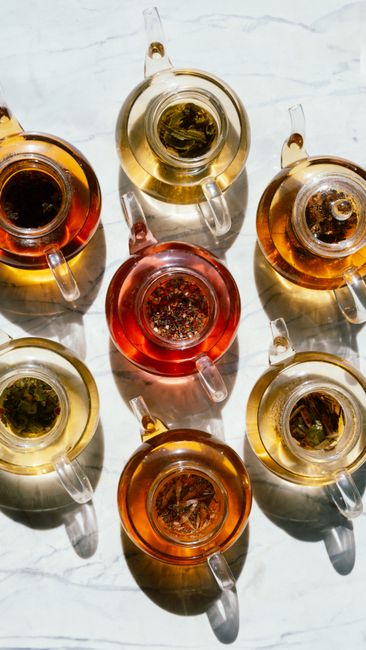
My tea journey started in a Walgreens at 11pm. I had a sore throat, the cold medicine aisle was overwhelming, and I grabbed a box of chamomile because the box had a sleepy bear on it. It tasted like warm hay. I did not touch herbal tea for another three years.
Turns out not all herbal tea tastes like lawn clippings. And some of them actually do what they claim. Here is what I have found after drinking my way through the tea aisle.
Peppermint — The One That Actually Works for Digestion
Peppermint tea is the herb with the strongest actual clinical evidence. Multiple studies show it relaxes gastrointestinal muscles, which helps with bloating, gas, and indigestion. It is also the best-tasting herbal tea — bright, cooling, naturally sweet without sugar.
I drink peppermint after heavy meals. Within 15 minutes, the “I ate too much” feeling dials down noticeably. It also helps with tension headaches — the menthol in peppermint increases blood flow to the forehead when inhaled, which relieves the tight-band sensation. I hold the mug under my nose for a minute before drinking.
Downside: peppermint can worsen acid reflux for some people because it relaxes the lower esophageal sphincter. If you have GERD, skip it.
Ginger — Nausea and Inflammation
Ginger tea is my go-to for nausea — motion sickness, morning queasiness, whatever. It is as effective as Dramamine in some studies. Fresh ginger root steeped in boiling water for 10 minutes is stronger than teabags. Add honey — straight ginger tea is spicy and a little harsh on the throat.
Ginger is also anti-inflammatory. I drink it during cold season as a preventative. Does it actually prevent colds? Hard to say. But the warm liquid plus the spicy kick clears my sinuses temporarily, which is worth something on its own.
Chamomile — Yes It Tastes Like Hay, Here Is How to Fix It
I gave chamomile a second chance by mixing it with lavender and a teaspoon of honey. The lavender rounds out the hay flavor and adds a floral note that makes the whole thing taste intentional rather than medicinal.
Chamomile contains apigenin, an antioxidant that binds to certain receptors in the brain that promote sleepiness. It is mild — this is not Ambien. But I sleep noticeably better when I drink a cup 30 minutes before bed. The ritual of making tea probably helps as much as the chemistry.
Rooibos — The Caffeine-Free Coffee Alternative
Rooibos is a South African red bush tea. It is naturally caffeine-free, slightly sweet, and earthy. If you want something that feels substantial — not like flavored water — rooibos is the answer. It takes milk well. A rooibos latte with oat milk and cinnamon is my winter afternoon drink.
Rooibos is also high in antioxidants and low in tannins, so it does not get bitter if you oversteep it. You can leave the bag in the whole time and it just gets stronger, not astringent.
The Tea I Do Not Bother With
“Detox” teas. Your liver detoxes you. No tea changes that. Most detox teas are just laxatives with marketing budgets. Save your money.
📋 Quick Summary: Peppermint for digestion and tension headaches (skip if you have reflux). Ginger for nausea and inflammation. Chamomile with lavender and honey for sleep. Rooibos for a caffeine-free hearty brew that takes milk. Skip “detox” teas entirely.