Standing Desk vs Sitting — What 6 Months of Both Taught Me
You know that phase where everyone on LinkedIn is posting about their standing desk setup? I fell for it. Bought a $300 adjustable desk, threw out my chair for a week, and announced to my wife that I was “never sitting again.”
Five days later, my lower back was screaming and my feet felt like I had walked a marathon. I sat back down and felt like a failure. Here is what I have figured out after six months of experimenting.
Neither Is Better — Alternating Is Better
The research does not say “standing is better than sitting.” It says prolonged static posture of any kind is the problem. Sitting for eight hours is bad. Standing for eight hours is also bad — it puts strain on your lower back, knees, and feet. The magic is in the switching.
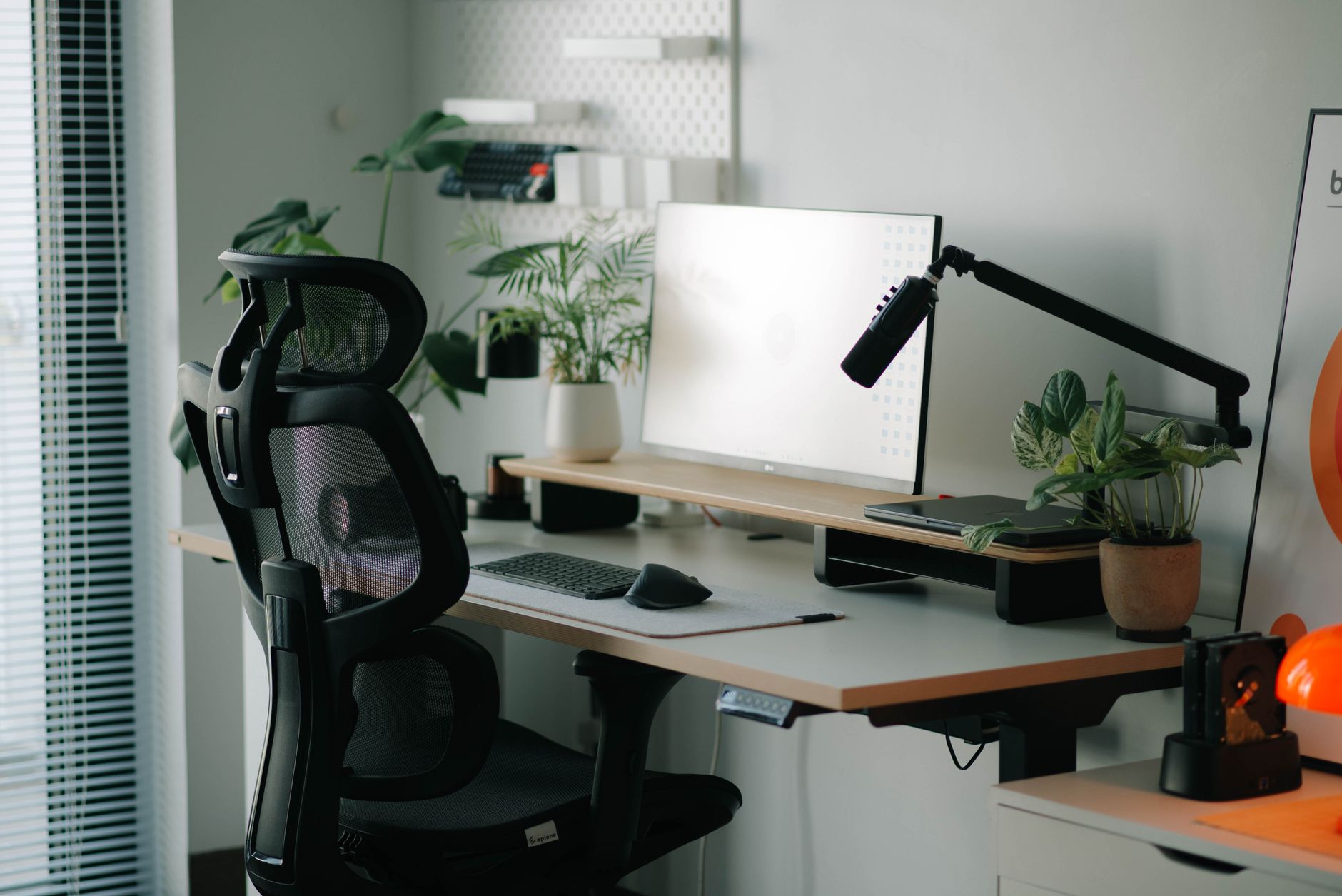
The 30-30 Rule
I settled on 30 minutes sitting, 30 minutes standing, repeated throughout the day. My Apple Watch reminds me to switch. It is not rigid — some tasks are better sitting (deep focus work), some are better standing (meetings, calls, quick tasks). But the rhythm prevents the aches that come from either extreme.
Anti-Fatigue Mat Is Not Optional
Standing on a hard floor is miserable. A good anti-fatigue mat makes standing comfortable for 30-45 minutes. Without one, you will shift your weight constantly and end up with hip pain. I bought a $30 mat from a kitchen supply store — the kind restaurant workers use. It is ugly but it works.
Footwear Matters at a Standing Desk
Barefoot on a hardwood floor is fine for ten minutes. After that, wear supportive shoes or cushioned slippers. I keep a pair of recovery slides under my standing desk. It is not glamorous, but my knees noticed the difference immediately.
Quick Summary: The goal is not to stand all day — alternate 30 minutes sitting and 30 minutes standing, use a cushioned anti-fatigue mat, and wear supportive footwear when standing.