Flashlights Every Home Should Have for Emergencies — And Why Your Phone Does Not Count
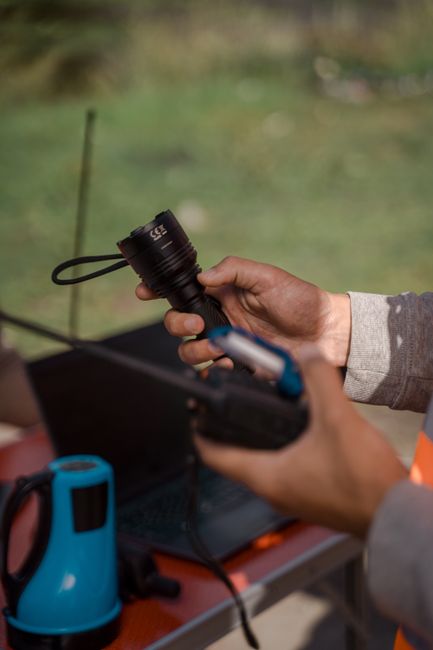
The power went out at 2am last winter. I grabbed my phone, turned on the flashlight, and started looking for my actual flashlight — which I had not touched in two years. The batteries had leaked. The contacts were corroded green. I navigated my house with a phone at 15% battery for the next hour, knowing that if the phone died I would be in complete darkness.
That night I ordered three different flashlights. Here is what you actually need — not a collection, not a hobby, just a functional setup for when the lights go out.
Why Your Phone Is a Terrible Emergency Flashlight
Phone flashlights are great for finding your keys under the couch. They are terrible for emergencies because they drain the same battery you need for communication. If the power is out, your phone is your lifeline for updates, emergency calls, and coordination. Burning 10% of your battery lighting up a room is a bad trade.
Also: phone flashlights are wide and dim. They illuminate a small cone about three feet in front of you. A proper flashlight throws a focused beam that lights up an entire room or a distant object. The difference in usable light is dramatic.
The Three Flashlights Every Home Needs
1. The Room-Lighter (Lantern Style)
For power outages, you do not want a beam — you want area lighting. A lantern-style flashlight sits on a table and lights up the whole room so life can continue more or less normally. Look for one with a warm white LED (not cool blue — it feels like an operating room) and a runtime of at least 12 hours on medium.
My pick: Black Diamond Moji Lantern. $25. Runs on 3 AAA batteries for 70 hours on low, 12 hours on high. Small enough to fit in a drawer, bright enough to light a living room. I keep one in the kitchen junk drawer and one in the bedroom.
2. The Handheld Thrower
For checking the circuit breaker in the basement, investigating a noise outside, or navigating a dark hallway. This needs a focused beam with reach. Rechargeable via USB is ideal — you can charge it in your car if the power is out for an extended period.
My pick: Wurkkos FC11. $30 on Amazon. 1300 lumens on turbo (blindingly bright), USB-C rechargeable, magnetic tail so you can stick it to a fridge or fuse box. The beam reaches about 150 meters. It also has a “moonlight” mode — 1 lumen — which is perfect for navigating at night without destroying your night vision or waking up your family.
3. The Headlamp
Hands-free light is invaluable when you are carrying things, reading instructions, or working on something in the dark. You do not need a fancy one. A basic headlamp with a red light mode preserves night vision.
My pick: Petzl Tikkina. $20. 300 lumens, three brightness levels, runs on 3 AAA batteries. The simple models with physical switches beat the fancy ones with gesture sensors — fewer things to break.
Battery Strategy
The biggest mistake with emergency flashlights is batteries. Lithium primary batteries (Energizer Ultimate Lithium) have a 20-year shelf life and do not leak like alkalines. They cost more — about $2 per AA — but they will actually work when you need them. Store them in the flashlight, not next to it. You will not want to fumble with battery installation in the dark.
For rechargeable flashlights, charge them every three months whether you use them or not. Lithium-ion batteries self-discharge about 2-3% per month. Set a calendar reminder.
📋 Quick Summary: Three lights: lantern for area lighting (Black Diamond Moji, $25), handheld for reach (Wurkkos FC11, $30), headlamp for hands-free (Petzl Tikkina, $20). Use lithium primary batteries (20-year shelf life, no leaks). Charge rechargeables every 3 months. Your phone flashlight is for finding keys, not surviving outages.