Fix Your Own Clothes Instead of Replacing Them
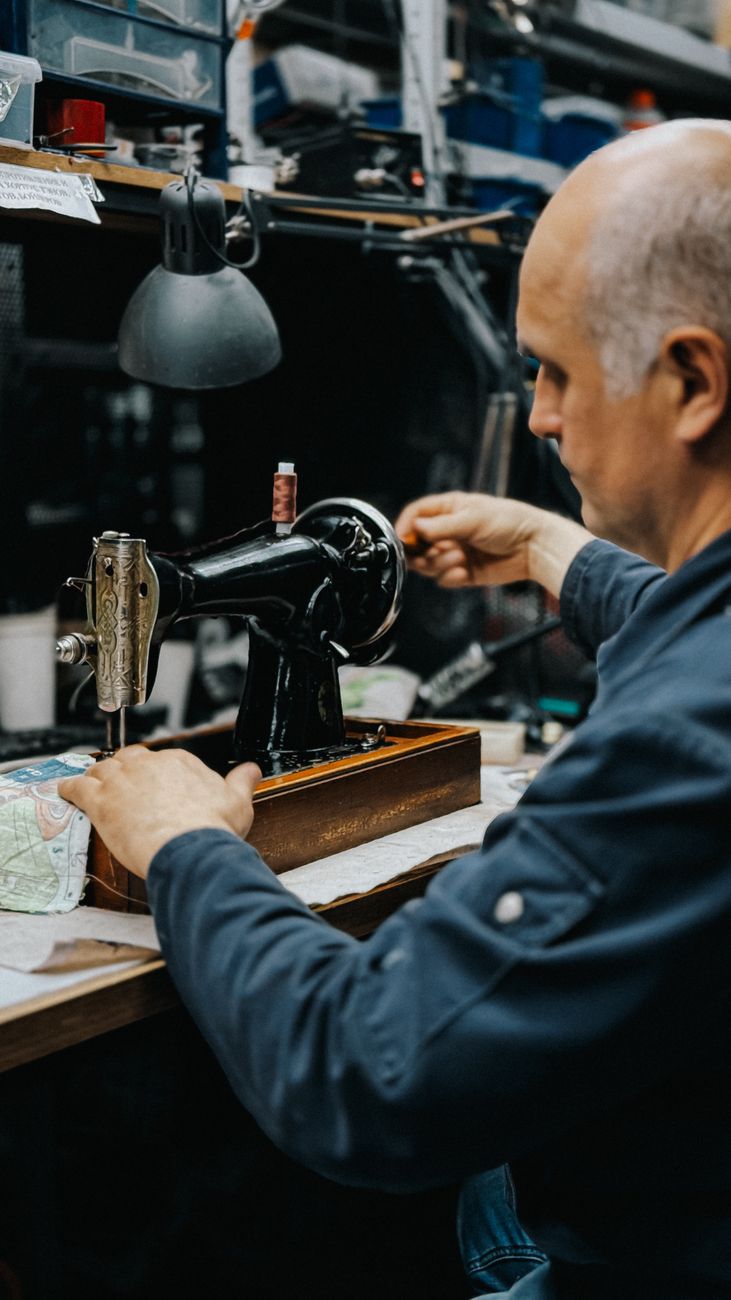
I threw out a pair of jeans because a button fell off. Threw them in the trash, drove to the store, bought new ones. Eighty dollars. A few weeks later my wife found the old jeans in the bin, pulled them out, and sewed a button on in three minutes. She handed them back to me without saying a word. The look on her face did all the talking.
The four repairs anyone can do
1. Sewing on a button — two minutes
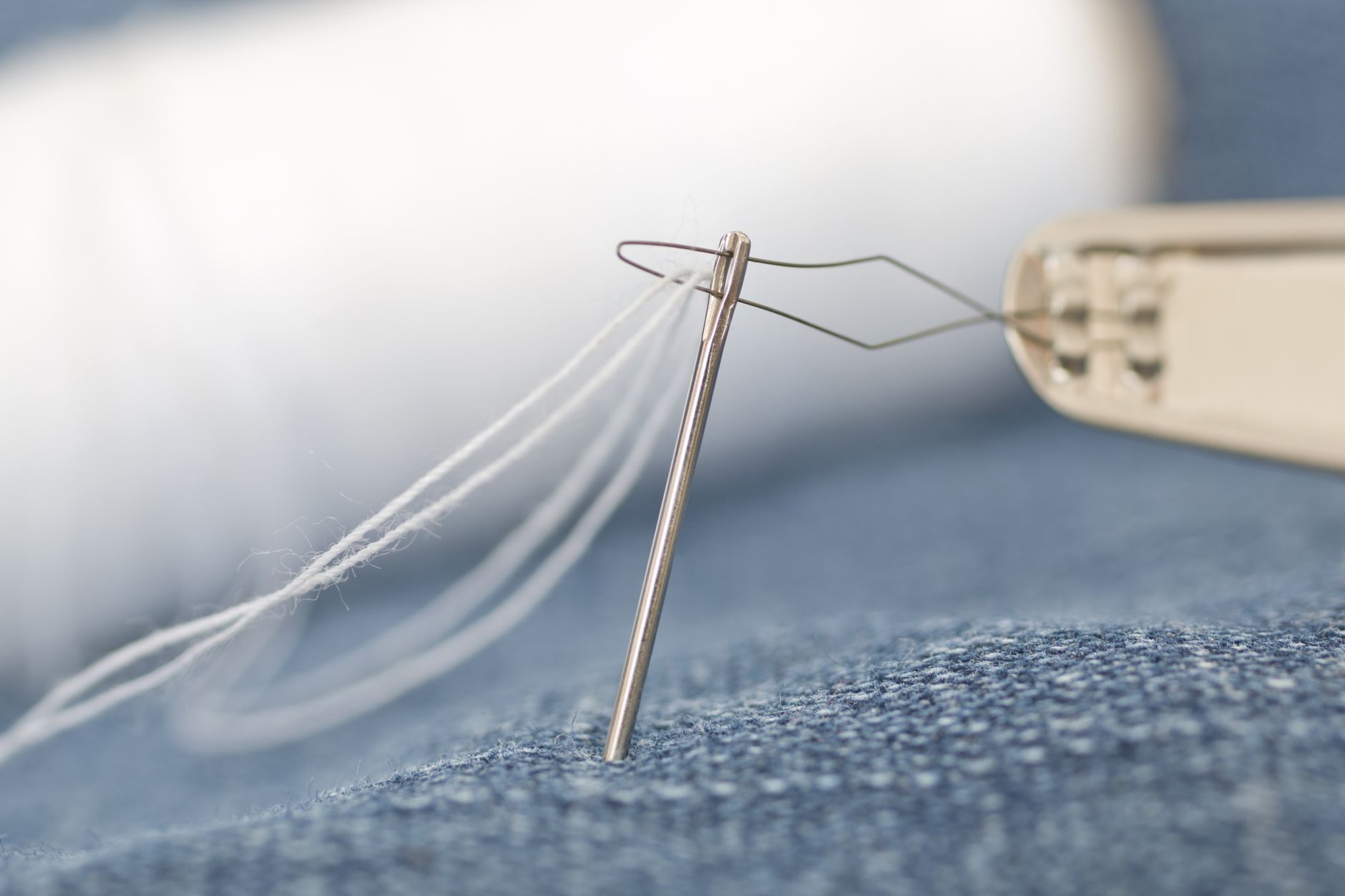
You need a needle, thread, and the button. That is the whole list. Thread the needle, tie a knot at the end, push the needle up through the fabric from the back, through one hole of the button, down through the opposite hole, and repeat four or five times. On the last pass, wrap the thread around the stitches underneath the button a few times to reinforce. Push the needle through to the back, tie a knot, cut the thread. Done.
Match the thread color to the fabric. Keep a small sewing kit in the drawer where you keep socks. The whole thing costs less than a coffee.
2. Fixing a fallen hem — five minutes
Iron-on hem tape. It is a strip of adhesive that melts when you iron it. Fold the fabric to the desired length, slide the tape between the layers, cover with a damp cloth, press with a hot iron for ten seconds. The bond is strong enough to survive the washing machine. No sewing required.
For pants hems specifically: try them on with the shoes you normally wear. Mark where you want the hem to fall with a pin or chalk. Measure twice. The tape is permanent once set.
3. Closing a small rip or seam split
A ladder stitch — also called an invisible stitch — pulls a ripped seam closed from the inside so the repair is hidden. Push the needle through from the inside, alternate sides of the tear every quarter inch, pull tight. The thread disappears into the fold of the fabric. Tutorials on YouTube make this clear in sixty seconds. It is the one stitch worth learning.
4. Patching a hole in jeans
Iron-on denim patches exist. They work. Cut the patch to cover the hole plus an inch on every side, round the corners so they do not peel, iron it on from the inside of the jeans. For knees, sew around the edge of the patch after ironing — knee fabric stretches and the adhesive alone will eventually give way.
When the repair is not worth it
Blown-out crotch seams on jeans can be fixed but the fabric around them is usually thinned and will tear again soon. Zipper replacements require a sewing machine and more skill than most casual repairs. Sweater holes unravel if you do not catch the loose stitches — a tailor can fix these but a DIY attempt often makes the hole bigger.
But a button? A fallen hem? A split seam? These are not reasons to throw clothes away. They are reasons to spend three minutes with a needle.
Quick Summary: Sew buttons, use iron-on hem tape, ladder stitch seam splits, iron-on patches for holes. A five-dollar sewing kit fixes most common clothing damage in minutes.