Fix Scratched Wooden Furniture With a Walnut
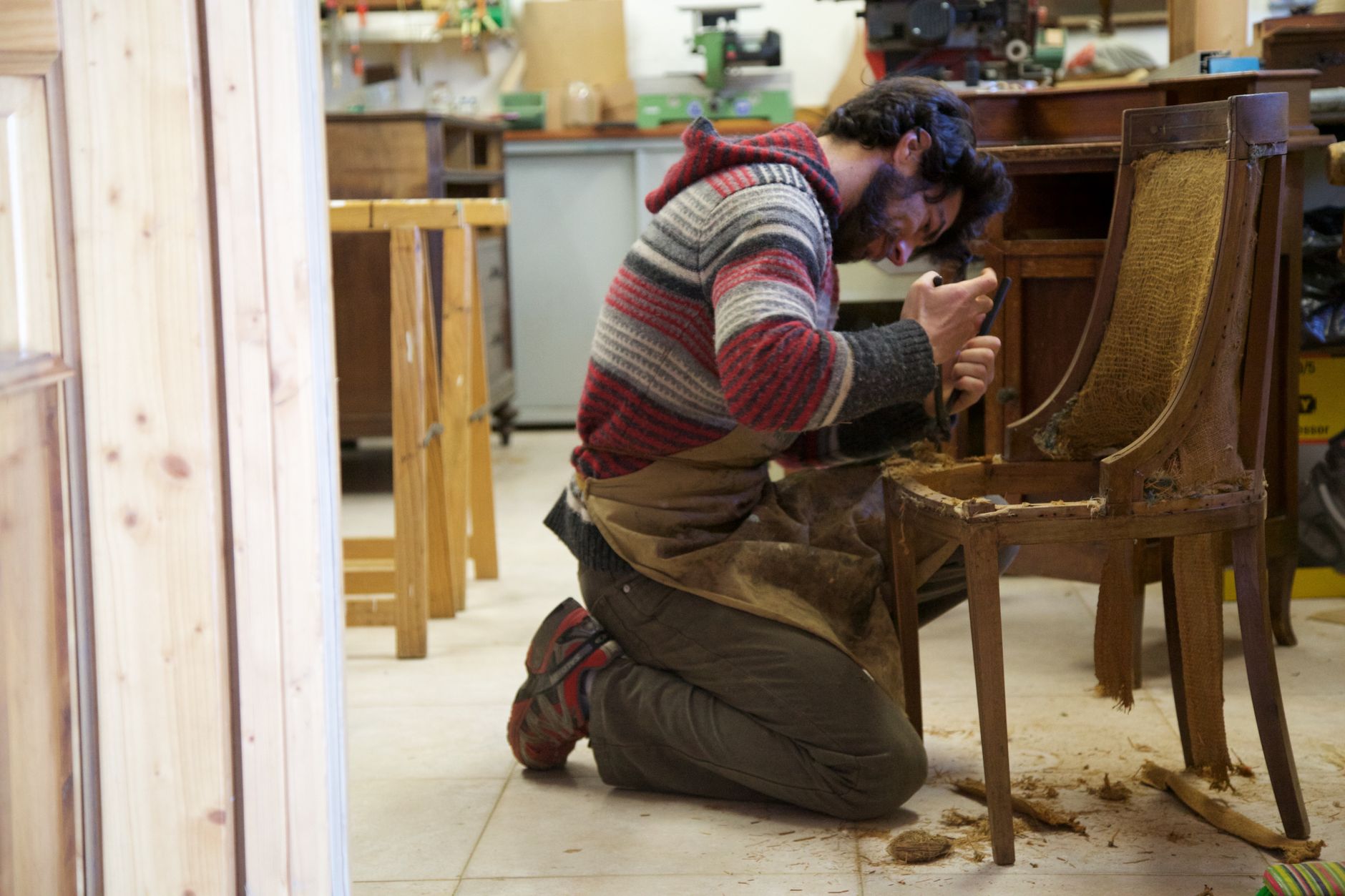
You know those light-colored scratches on your dining table or hardwood floor that catch the light at exactly the wrong angle and make your furniture look beat up? The kind that are too shallow for wood filler but too visible to ignore? There is a fix sitting in your pantry right now, and it is not a furniture polish — it is a walnut.
I was skeptical too. It sounded like one of those internet hacks that works in a thirty-second video and nowhere else. Then I tried it on a scratch my cat left on a walnut-stained end table and watched it disappear.
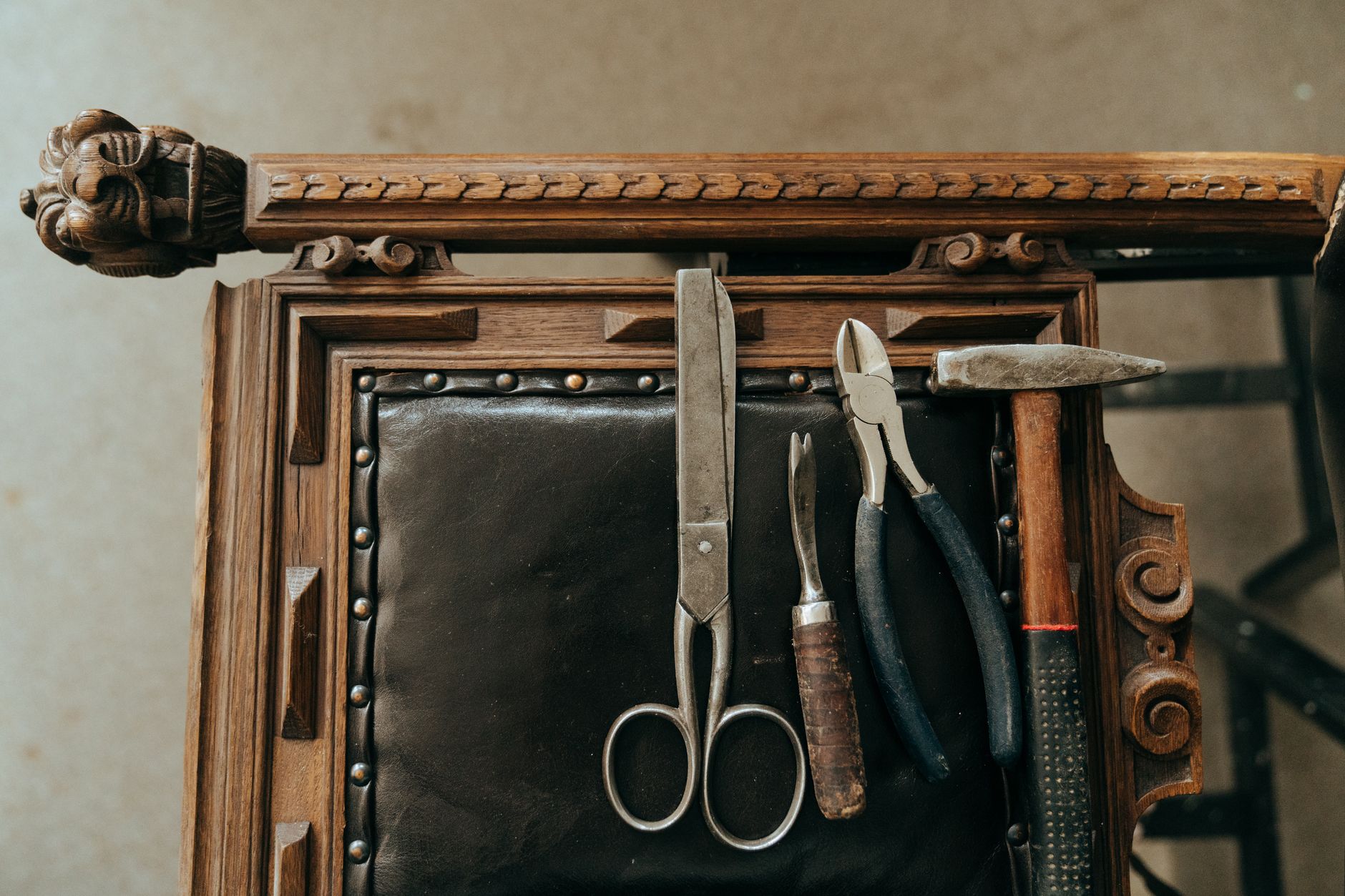
How It Works
Take a walnut — the actual nut meat, not the shell. Rub it firmly across the scratch in the same direction as the wood grain. The natural oils in the walnut seep into the scratch and darken the exposed raw wood, making it blend with the surrounding finish. The oils also condition the wood like a furniture polish would.
After rubbing for about thirty seconds, buff the area with a soft cloth to remove any nut residue. The scratch will not be perfectly filled — this is not wood filler — but it will be dark enough that you stop noticing it. For shallow surface scratches, it is borderline magical.
What It Works On and What It Does Not
Walnuts work best on medium to dark wood finishes — walnut, mahogany, cherry, dark oak. On light wood like maple or birch, the oil darkens the scratch too much relative to the surrounding wood, creating a dark line that is more visible than the original scratch.
Try it on an inconspicuous spot first — the underside of a chair or inside a cabinet door. Different woods absorb the oil at different rates, and you want to be sure the color match is close before you commit to a visible area.
For deep gouges — scratches you can feel with your fingernail — a walnut will not do much. Those need actual wood filler or a wax repair stick matched to your finish color.
Other Pantry Fixes for Wood Scratches
Coconut oil: Works similarly to walnut oil and is safe on light wood. Rub a tiny amount into the scratch and buff immediately. Less is more — too much oil leaves a greasy residue that attracts dust.
Coffee grounds: Mix used coffee grounds with a few drops of water into a paste. Rub into the scratch on dark wood, let sit for ten minutes, wipe away. The tannins in coffee stain the raw wood fibers dark. Test on a hidden area first — the color can be unpredictable.
Vinegar and olive oil: Mix equal parts in a small dish. Dip a cloth in the mixture and rub into scratches. The vinegar cleans, the oil conditions, and the combination can reduce the appearance of light surface marks across a whole tabletop.
📋 Quick Summary: Rub a walnut over shallow scratches on medium-to-dark wood, always test on a hidden spot first, and keep coconut oil or coffee grounds as backups — pantry items that actually work.