Ferment Vegetables at Home — Easier Than You Think
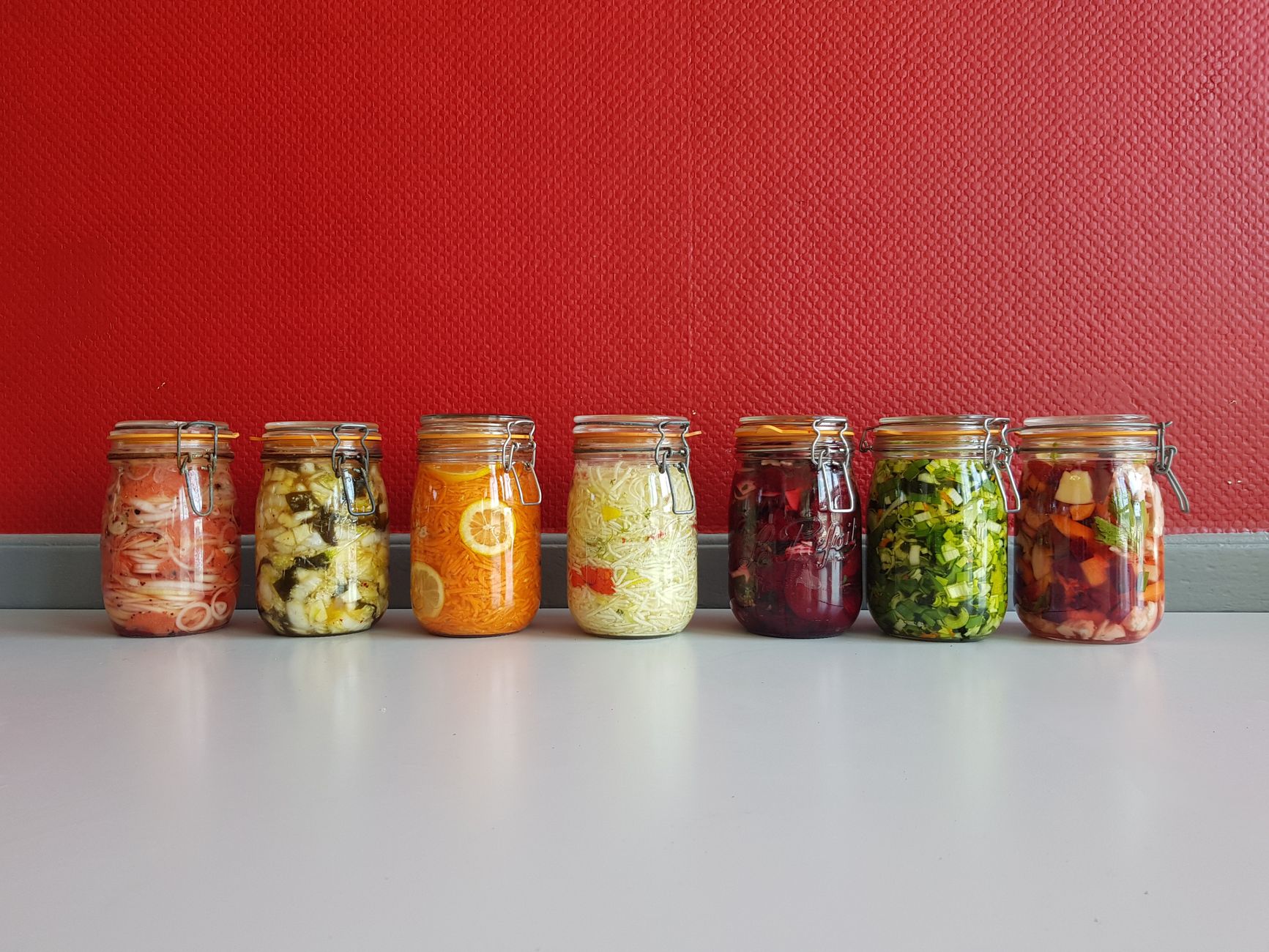
The first time I tried fermenting vegetables, I was sure I’d poisoned myself. Opened the jar after a week, heard the hiss of gas escaping, smelled something funky — and immediately poured the whole batch down the drain.
Turns out that hiss and that smell were exactly what I wanted. I’d thrown away a perfectly good batch of sauerkraut.
The only three things you need
Forget starter cultures. Forget special equipment. Fermentation is vegetables + salt + time. The bacteria you want are already on the vegetables.
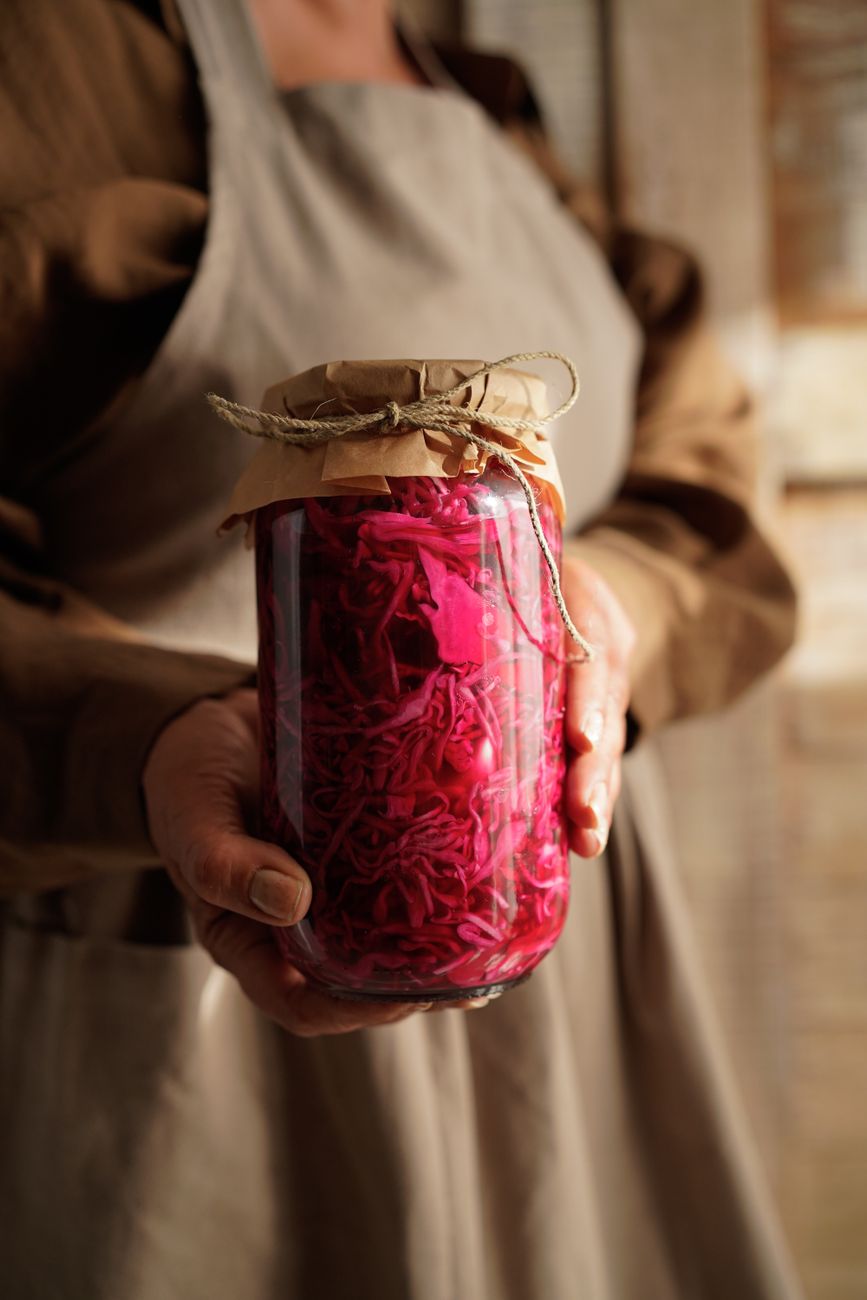
Loosely cover the jar — don’t seal it tight unless you want an exploding jar of kraut. A cloth with a rubber band works. A lid resting on top but not screwed down. Gas needs to escape.
When is it done?
Taste it after 5 days. It should be tangy but not rotten. If it smells like death or has colorful fuzzy mold on top, toss it. A thin white film on the surface is kahm yeast — harmless, just skim it off.
Carrots, radishes, cauliflower, green beans — all work the same way. Garlic and ginger add kick. A bay leaf helps keep things crunchy.
Once you like the taste, move the jar to the fridge. It slows fermentation way down. Your kraut will keep for months.
Quick Summary: Vegetables + 2% salt by weight + time in a jar with everything submerged. Taste after 5 days. Fridge when it’s tangy enough. Start with cabbage.