Extension Cords and Power Strips — Safety Features That Matter
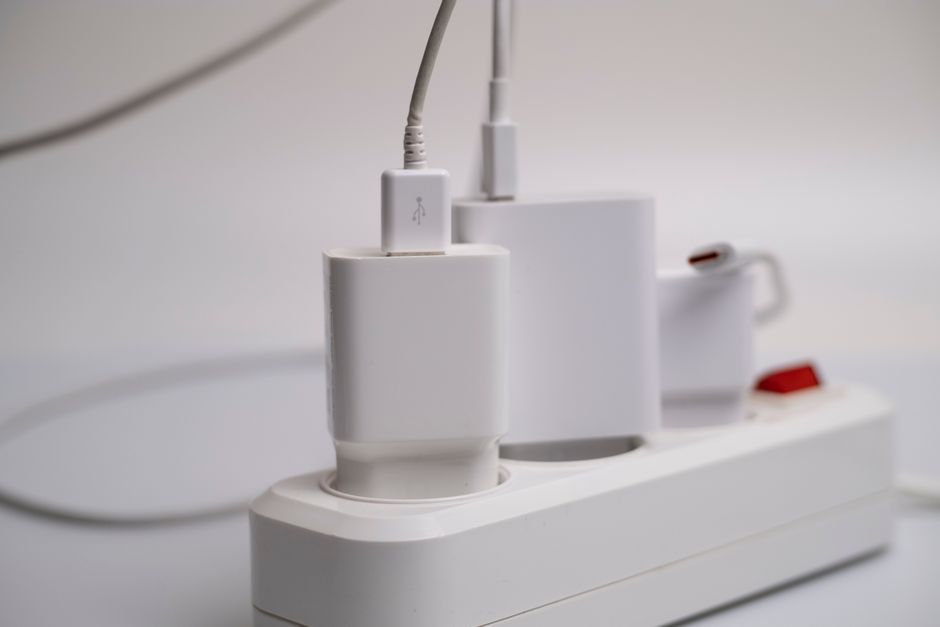
A power strip under my desk caught fire in 2019. Not a dramatic fire — just a sizzle and smoke — but enough to scare me into actually reading about what makes extension cords safe. Turns out I had been using the wrong kind for years and never knew it.
Indoor vs. Outdoor Rating
Extension cords have a letter code on the jacket. W means outdoor-rated — the insulation resists moisture and UV damage. If there is no W, the cord is indoor only. I had been using an indoor cord for Christmas lights on my porch for three years. The jacket was cracked everywhere and I am lucky nothing happened. Outdoor cords cost slightly more but are not optional for outdoor use.

Gauge Matters
The lower the gauge number, the thicker the wire and the more current it can handle. A 16-gauge cord is fine for a lamp. For a space heater, window AC unit, or any appliance that draws significant power, you need 12-gauge or 14-gauge. Using a thin cord for a high-draw appliance causes the cord to heat up. That is how fires start.
Surge Protector vs. Power Strip
They look the same. They are not. A power strip just gives you more outlets. A surge protector has components inside that absorb voltage spikes and protect your electronics. If the packaging does not say “surge protection” with a joule rating, assume it is just a power strip.
Joule rating tells you how much energy the protector can absorb before it stops protecting. For a basic home office setup, 1000 joules is fine. For home theater equipment or expensive electronics, look for 2000+ joules. Surge protectors wear out over time — every spike they absorb uses up some of their capacity. Replace them every three to five years.
Never Daisy-Chain
Plugging one power strip into another power strip is called daisy-chaining and it is against electrical code for a reason. Each strip adds resistance and heat. The total load is not distributed safely. If you need more outlets, get a longer power strip with more outlets — do not chain them.
📋 Quick Summary: Look for W-rating outdoors. 12-14 gauge for high-draw appliances. Surge protector ≠ power strip — check joule rating. Replace every 3-5 years. Never daisy-chain.