Do Not Throw Away Banana Peels — Try These Uses
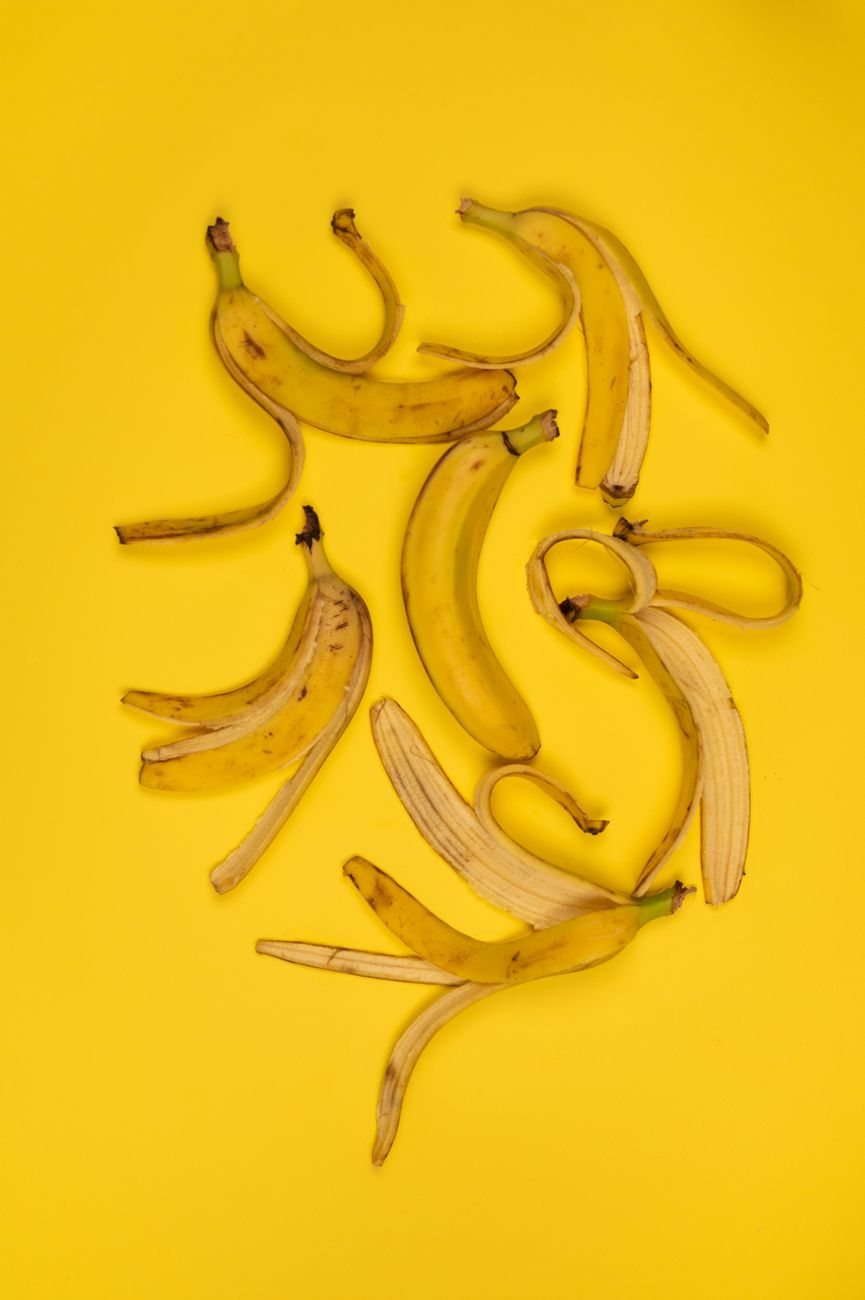
You eat a banana. You throw away a third of its weight in peel. Multiply that by your household’s banana consumption over a year, and you have thrown away pounds of organic material that could have been useful. Bananas are the most consumed fruit in America — the average household goes through more than twenty-five pounds a year — and every single peel ends up in the trash.
I started saving my banana peels six months ago, mostly out of curiosity. Some of the uses are genuinely useful. Some are overhyped internet nonsense. Here is what actually works.
Plant Fertilizer That Actually Works
Banana peels are rich in potassium, phosphorus, and calcium — all nutrients plants need. Chop the peels into small pieces and bury them an inch deep in the soil around roses, tomatoes, or peppers. They break down in about two weeks and release nutrients slowly. No smell, no pests, no complicated composting.
For a faster method, soak several peels in a jar of water for two days. The water turns brown as minerals leach out. Use this banana peel tea to water your plants — indoor and outdoor. Dilute it half and half with fresh water for houseplants, which are more sensitive to over-fertilizing than outdoor plants.
Polish Leather Shoes
Rub the inside of a banana peel on scuffed leather shoes, then buff with a soft cloth. The potassium and natural oils in the peel clean the leather and leave a subtle shine. This works better on dark leather — the banana residue can leave a faint tint on light leather.
It is not a replacement for actual shoe polish on dress shoes for a wedding, but for everyday scuffs on boots and casual shoes, it works surprisingly well. I have been doing this for months and my brown leather boots look better than they did after commercial polish.
The Silversmith Trick
Blend a banana peel with a little water to make a paste. Rub the paste onto tarnished silver with a cloth, then rinse and buff dry. The mild acids and potassium compounds in the peel lift tarnish without scratching the way abrasive polishes can. This works on silver jewelry, flatware, and small decorative items.
Do not use this on silver plate — the peel paste is too mild for heavy tarnish but repeated rubbing can wear through thin plating over time.
What Does Not Work: Teeth Whitening
You will see this all over the internet. Rubbing banana peel on your teeth does not whiten them. The myth comes from the minerals in the peel — potassium and magnesium — but those minerals are not in a form that absorbs into tooth enamel by rubbing a peel on your teeth for two minutes. Save your peels for the garden and use actual whitening toothpaste.
📋 Quick Summary: Chop peels into garden soil or soak for plant tea, polish leather shoes and tarnished silver with the inside of the peel, and skip the teeth-whitening myth — real uses for a fruit part most people toss without thinking.