DIY Haircuts at Home That Don’t Look Like a Disaster
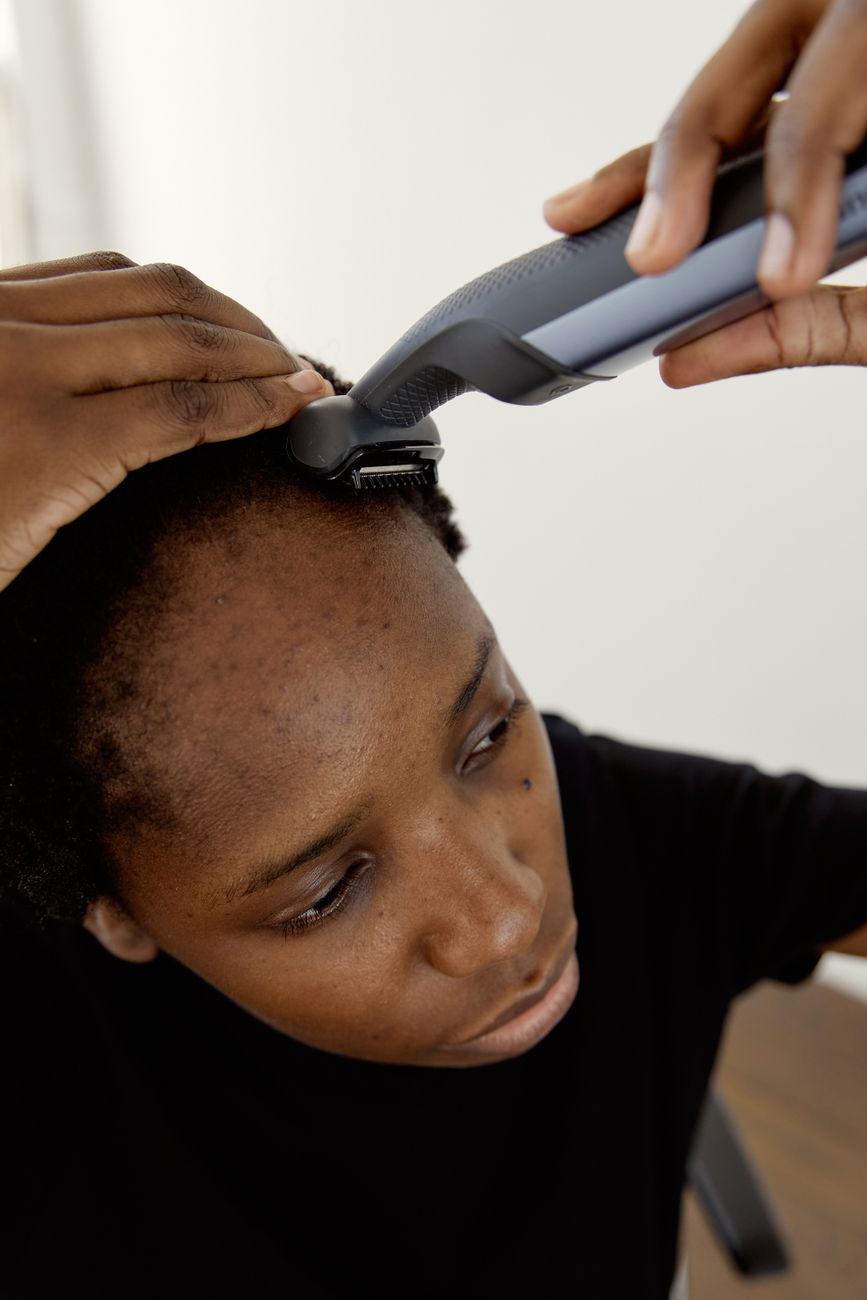
I cut my own hair for two years during the pandemic. The first try was bad — uneven in the back, one side slightly shorter than the other, and I had to wear a hat for a week. But by the third or fourth attempt I got decent at it, and now I trim between salon visits to stretch the time between appointments. Here is what I learned about making DIY cuts look like a real haircut.

Buy the right clippers (this matters more than skill)
Cheap clippers pull hair instead of cutting it. They snag, they are loud, and the guards pop off mid-cut. You do not need professional $200 clippers, but you do need something with self-sharpening stainless steel blades and a corded option. I use the Wahl Color Pro — about $30 — and it has lasted three years with zero issues. The color-coded guards make it hard to grab the wrong length, which reduces mistakes.
For scissors: do not use kitchen scissors. Buy actual hair-cutting scissors for about $10. They are sharper and the blades are beveled differently. Kitchen scissors crush the hair shaft and create split ends.
Basic technique: the simple trim
- Start with clean, dry hair. Wet hair looks longer, so if you cut it wet you will end up shorter than you intended.
- Section your hair into four parts: top, left side, right side, back. Clip three sections up and work one at a time.
- For the back: use a hand mirror facing your bathroom mirror so you can see behind you. Go slow. Take off less than you think you need — you can always cut more.
- For the sides and top: cut in small sections, holding the hair between your index and middle fingers and cutting above your fingers. Point-cutting — angling the scissors vertically and snipping into the ends — creates a softer line than cutting straight across.
- Blend the transitions between clipper lengths by using a higher guard number around the edges where two lengths meet.
What to absolutely not do
Do not use kitchen scissors. Do not cut bangs straight across when they are wet — they will spring up and be too short. Do not try anything complicated like layers or undercuts on your first attempt. Keep it to a simple trim until you have done it several times. And if you mess up, remember: hair grows back, and hats exist for a reason.
📋 Quick Summary: Invest in decent clippers ($30 range) and real hair-cutting scissors ($10). Start with clean dry hair, work in sections, use a hand mirror for the back, and cut less than you think you need. Keep it simple — straight trims only until you have practiced.