Declutter Your Junk Drawer in 15 Minutes Using the Container-First Method
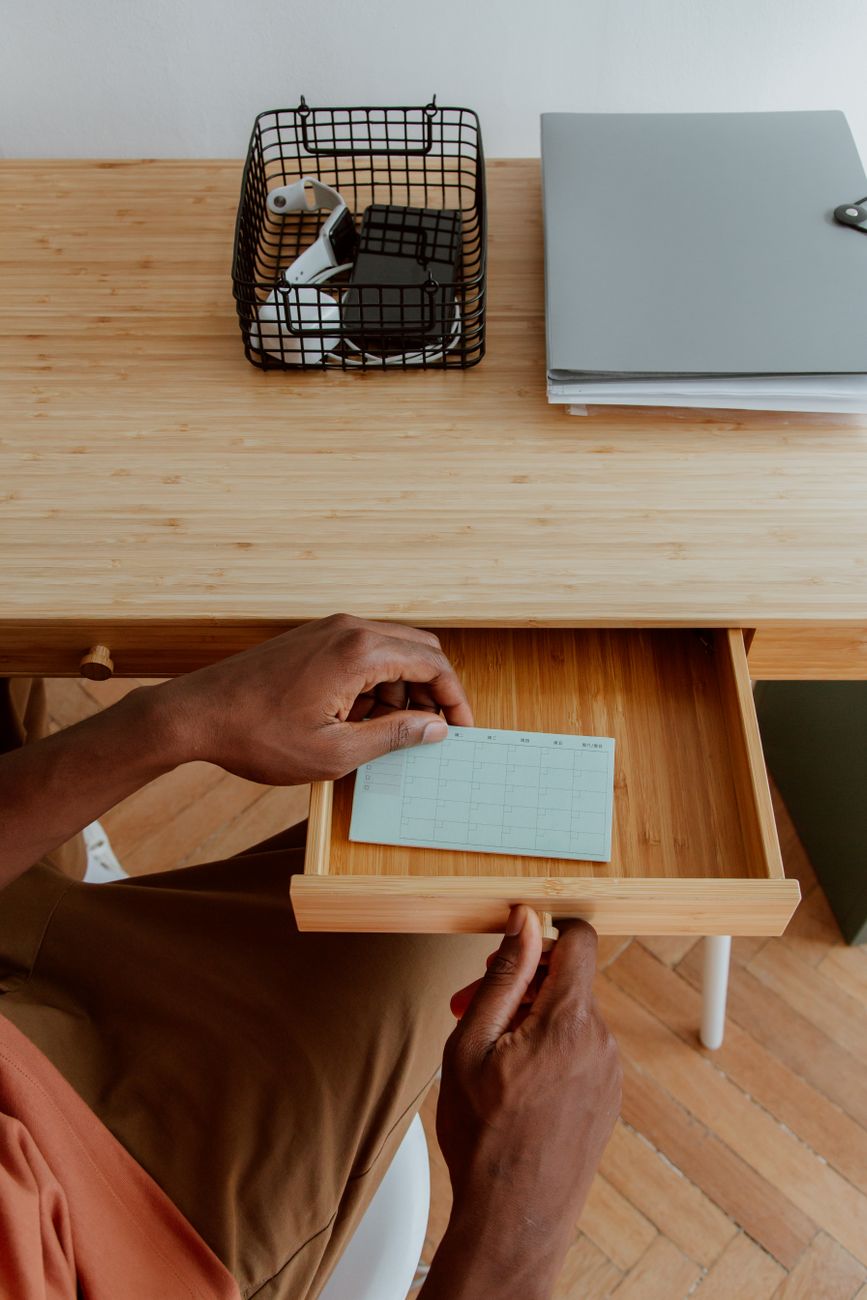
My junk drawer had reached a point where I couldn’t close it without a running start and a strategic hip check. Rubber bands fused into a single mass. A battery from 2019. Three takeout menus for restaurants that closed during the pandemic. A single chopstick.
I kept telling myself I’d tackle it “this weekend.” For about eighteen months.
What finally worked wasn’t more willpower. It was a method that removed the hardest part of organizing: deciding what goes where.
The container-first approach
Here’s the problem with most decluttering advice: it tells you to pull everything out, sort into categories, then figure out containers. By step two you’re sitting on the floor surrounded by chaos, overwhelmed, and you shove it all back in and close the drawer.
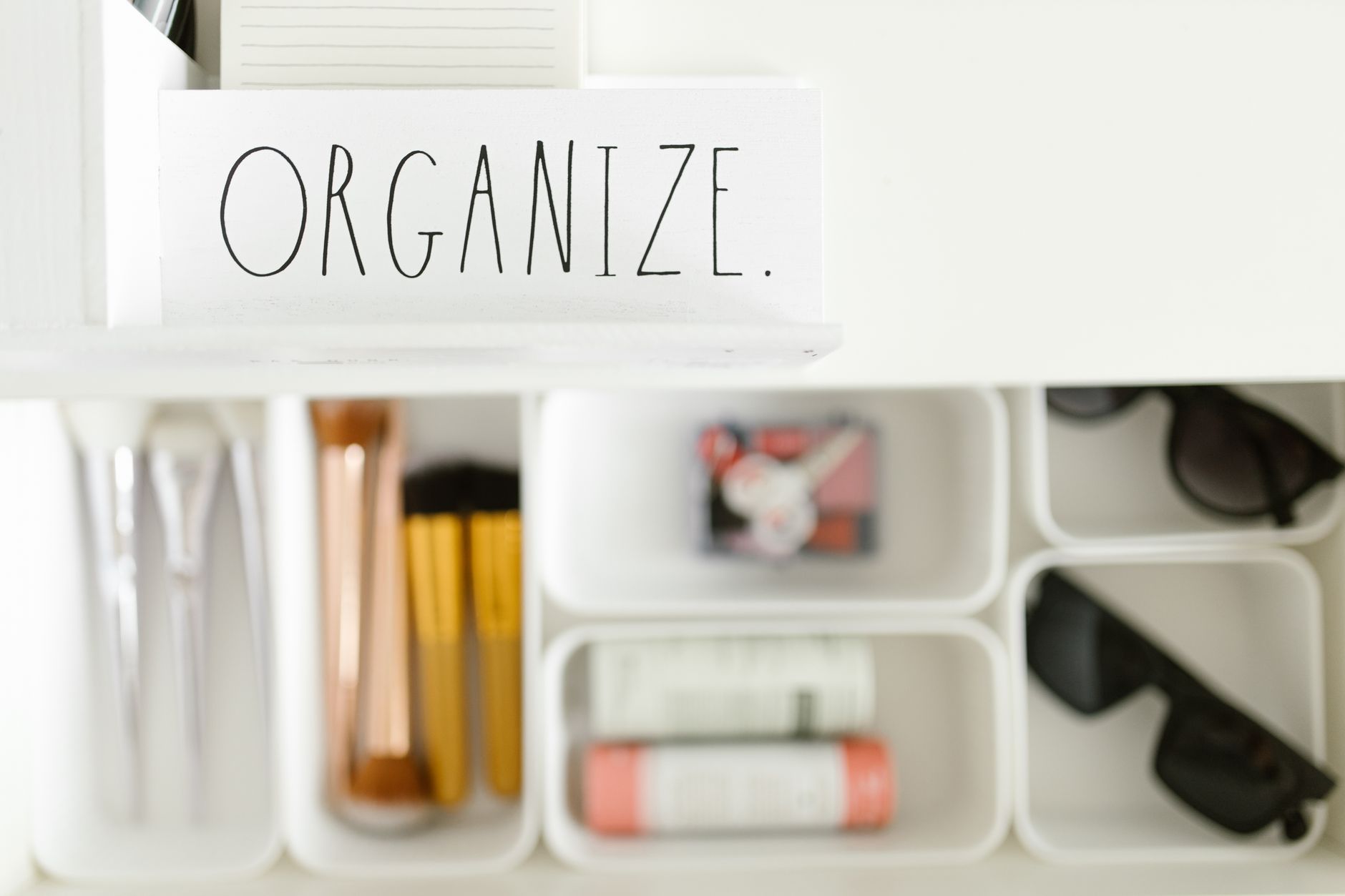
Container-first flips the order. You get your containers first, put them in the empty drawer, and only then do you start sorting. The containers make the decisions for you.
Step by step
Minute 1-3: Pull everything out. Every single thing. Dump it on the counter or a towel on the floor. Don’t sort yet.
Minute 4-6: Measure your drawer. Width, depth, height. Now grab small containers that fit — the dollar store has drawer organizers for next to nothing, or reuse shallow boxes from tea, phone cases, whatever you have. They don’t need to match.
Minute 7-8: Arrange the empty containers in the drawer. Play Tetris until everything fits without sliding. Leave one section slightly larger for “stuff that defies categories.”
Minute 9-13: Now sort your pile. Each container gets a category: batteries, office supplies, tools, random small hardware, the “I don’t know but I might need it” section. Toss anything obviously trash.
Minute 14-15: The finish line. Anything that doesn’t fit stays out — that’s your signal that you have too much of that category. Either find it a proper home elsewhere or admit you don’t need twelve rubber bands.
Why this works when “just clean it” fails
The containers act as limits. You can’t keep accumulating when the battery container is full — you have to make choices. Physical boundaries are more powerful than mental ones.
Also: putting the empty containers in first gives you a dopamine hit. The drawer already looks better, even empty. That momentum carries you through the sorting phase.
📋 Quick Summary: Empty the drawer, place containers first, then sort into them. The containers create physical limits that make decisions easier. Fifteen minutes total — and you’ll actually be able to close the drawer.