Cut Salt Without Losing Flavor — 6 Pro Tips
I used to think low-sodium meant low-taste. Every time I tried to cut back on salt, dinner turned into sad cardboard. My wife would take one bite and reach for the shaker. I do not blame her.
Then my neighbor — a retired chef who cooked in New Orleans for thirty years — watched me salt a pot of soup and just shook his head. “You are seasoning like a restaurant line cook,” he said. “Not like someone eating at home.”
That conversation changed everything. He showed me six tricks that let me cut our household salt intake by almost half without anyone noticing. My wife stopped reaching for the shaker. Here is what he taught me.
Start with acid, not salt
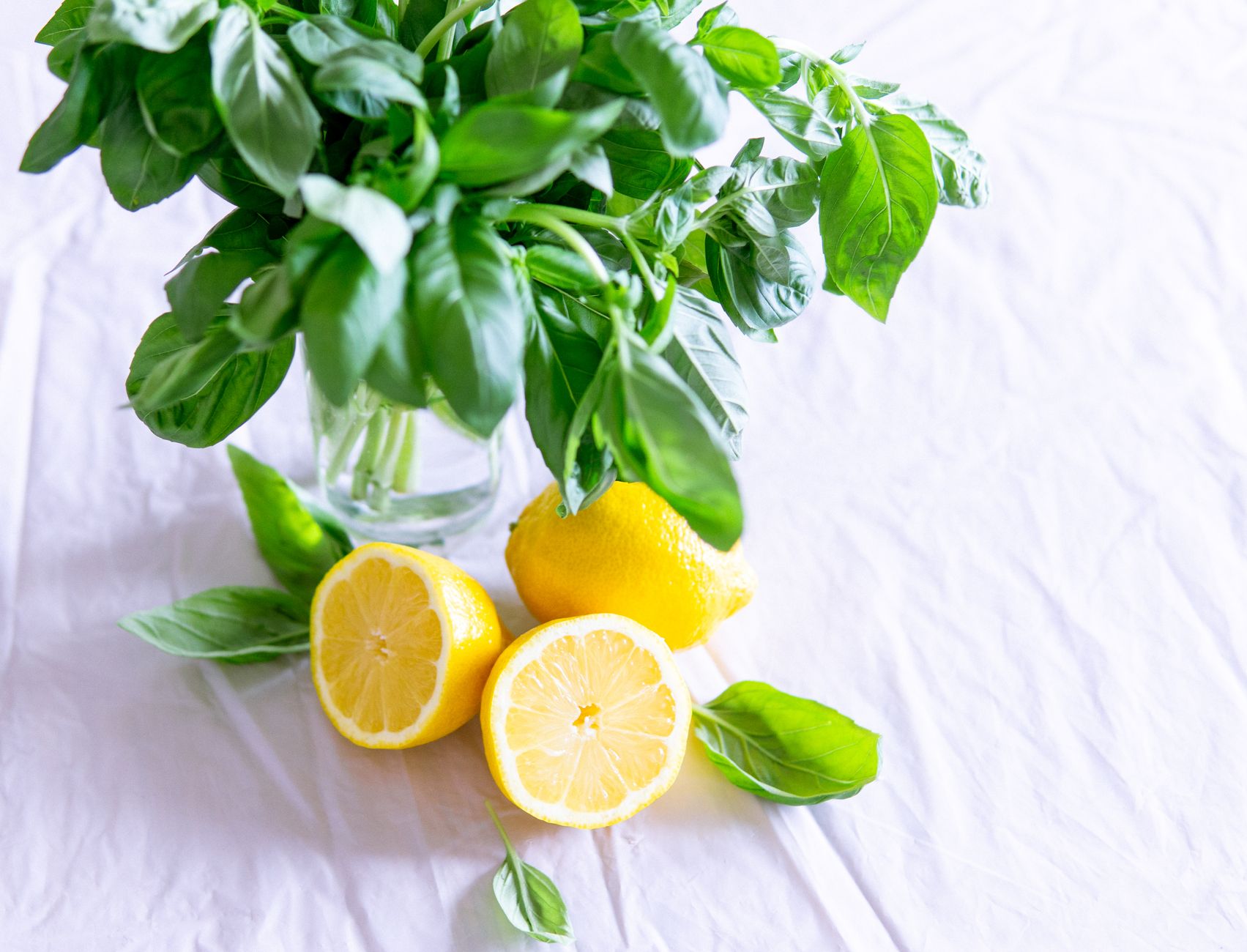
Most home cooks salt first and taste later. Flip that. Add acid before salt every single time. Lemon juice, vinegar, even a splash of white wine — acid wakes up your taste buds the same way salt does, but without the sodium. I now keep a bottle of rice vinegar next to the stove. A teaspoon in soup or sautéed greens makes the salt you do add go twice as far.
The science is straightforward: acid triggers the same salivary response as salt. Your mouth literally waters more, and food tastes brighter. You can cut salt by a third just by adding acid first and salting second.
Toast your spices
I used to dump cumin and coriander straight into the pot. That is like playing a guitar with mittens on — you get something, but you are missing most of it. Dry-toasting whole spices for 60 seconds in a hot pan releases oils that mimic the depth salt provides. Ground spices work too, just watch them closely — they burn in about 30 seconds.
Toast until fragrant, then grind if using whole. The flavor difference is night and day. One pan of toasted cumin seeds gives more punch than twice the amount of untoasted.
Use umami bombs
Mushrooms. Tomato paste. Anchovies (trust me — they dissolve and nobody knows). Soy sauce. Parmesan rinds saved in the freezer. All of these hit the same savory receptors that salt does. A tablespoon of tomato paste browned in the pan before adding liquid adds depth that salt alone cannot fake.
I keep a bag of parmesan rinds in the freezer. Drop one into soup or tomato sauce and fish it out before serving. It adds saltiness, richness, and body — three things you normally get from dumping more salt in.
Fresh herbs at the end
Dried herbs are fine for long cooking. But fresh herbs — basil, cilantro, parsley, dill — go in during the final minute. Heat kills their volatile compounds. Adding them off-heat preserves the punch. A handful of torn basil on a tomato dish means you can back off the salt significantly.
Salt strategically
My chef neighbor’s biggest tip: salt at the end, not throughout. When salt sits on the surface of food, your tongue hits it immediately. When it dissolves deep into a dish during cooking, you need more to taste it. Use half your normal salt during cooking, then finish with flaky sea salt on top. The flakes hit your tongue first, so your brain registers “salty” before the rest of the bite.
What I got wrong at first
I went too hard. Week one, I cut all salt and replaced it with lemon juice. Everything tasted like lemonade. My kids staged a revolt over a particularly sour chicken dish. Dial back gradually — cut by 25% the first week, taste, then go further. Your palate adjusts. Now when I eat restaurant food, it tastes overwhelmingly salty to me.
📋 Quick Summary: Add acid first, toast your spices, use umami ingredients, finish with fresh herbs, salt at the very end with flaky sea salt — cut sodium by up to half with zero flavor loss.