Creamy Pasta Without Cream: The Starchy Water Trick That Changed My Weeknight Dinners
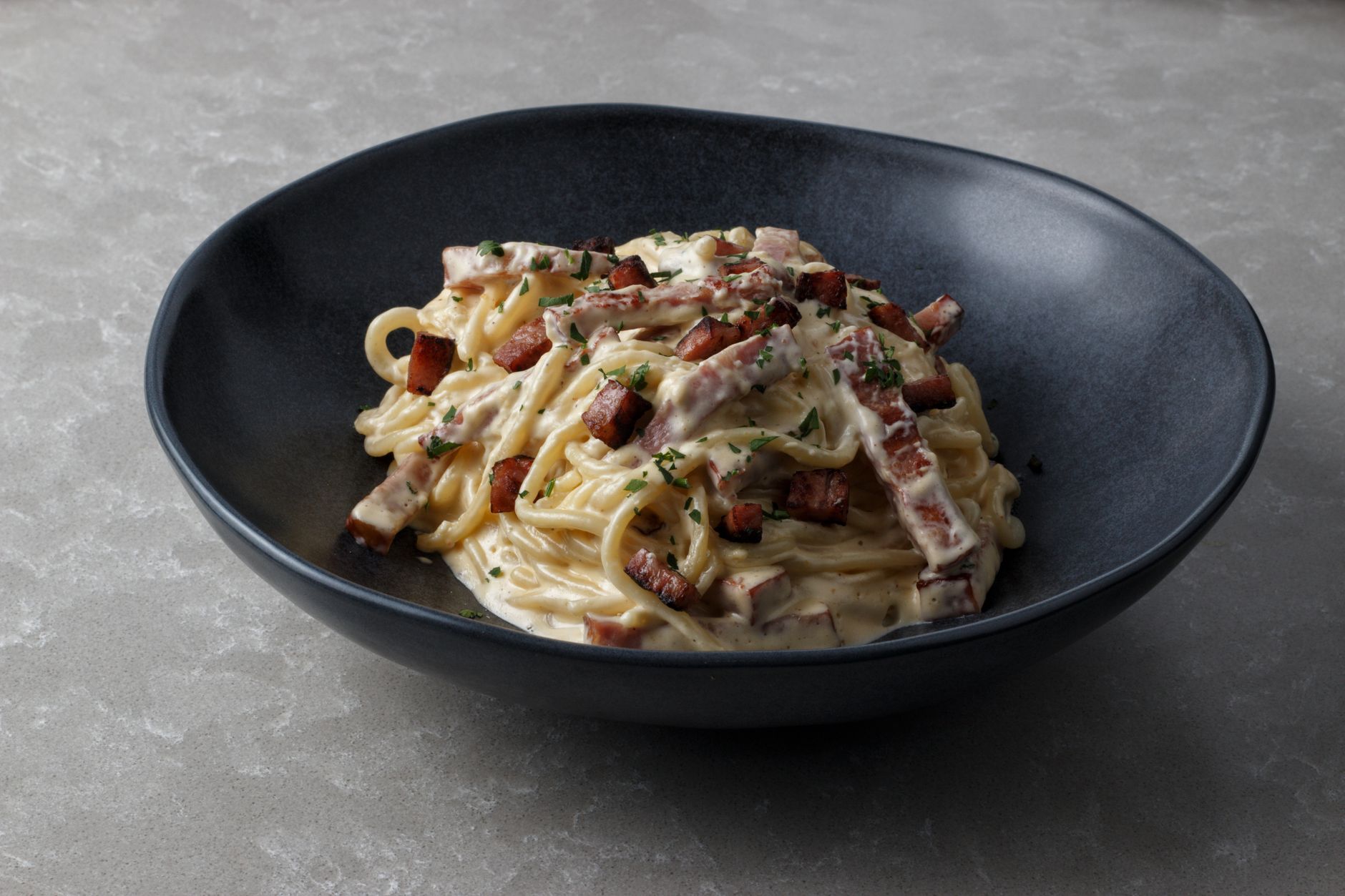
Stop pouring heavy cream into pasta and calling it a sauce. There is a better way, and it costs exactly zero extra dollars.
I discovered this by accident. I was out of cream. The grocery store was twenty minutes away. Dinner was supposed to happen in fifteen. So I did what desperate people do — I winged it with what I had.
What came out of that pan was the creamiest, silkiest pasta I had ever made. And I had used nothing but pasta water.
The Science of Starch
When pasta boils, it releases starch into the water. That cloudy, murky water you normally pour down the drain? It is liquid gold. Starch is a thickener and an emulsifier — the same thing that makes cream sauces creamy.
The trick is concentrating that starch. Most people use way too much water to boil pasta. You want just enough to cover the noodles — about half what the box says. Less water means starchier water.
How to Do It
- Undercook the pasta by one minute. Fish it out and save every drop of that cloudy water.
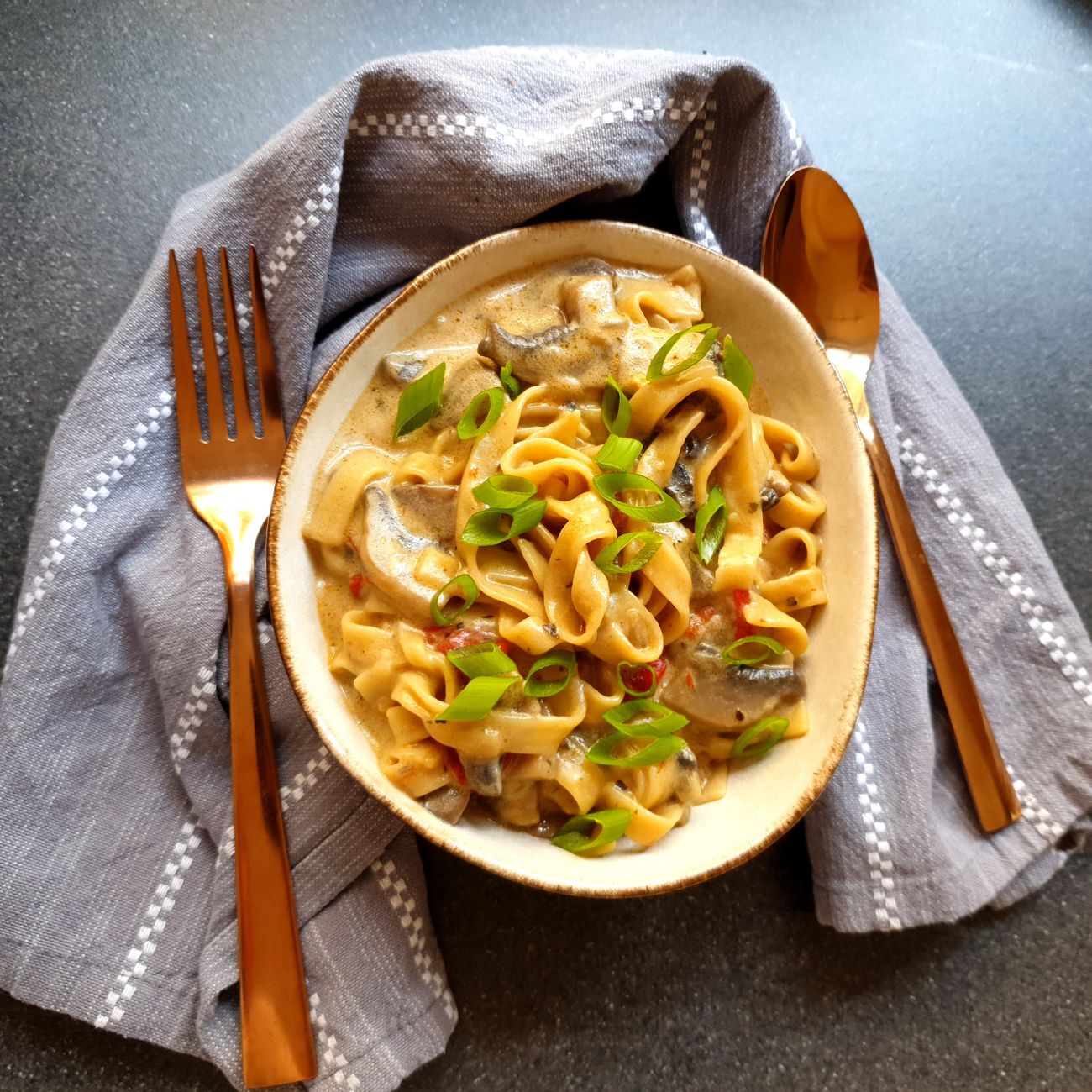
- In a separate pan, sauté garlic in olive oil. Add whatever else you want — mushrooms, cherry tomatoes, spinach.
- Add the pasta and a ladle of pasta water. Toss vigorously.
- Keep adding water a splash at a time, tossing constantly. The motion agitates the starch and creates an emulsion.
- When it looks glossy and coats the back of a spoon, kill the heat and add parmesan.
That last step matters more than you think. Parmesan melts best off heat — too hot and it clumps instead of melting smooth.
What I Got Wrong the First Three Times
First attempt: I used the full pot of water like normal. The pasta water was basically clear. Nothing emulsified. Sad, watery sauce.
Second attempt: I used less water but forgot to toss. I just stirred. The starch settled at the bottom and never mixed in properly. Grainy mess.
Third attempt: I added parmesan while the pan was still on high heat. It turned into a stringy, rubbery blob. Not creamy. Not good.
Fourth attempt: Nailed it. Glossy, silky, restaurant-quality sauce from three ingredients — pasta, water, parmesan.
When This Works Best
Long pasta like spaghetti and fettuccine releases more starch than short shapes. Fresh pasta releases the most. But honestly? I have done this with boxed penne and it still worked — the key is just using less water and tossing like you mean it.
Quick Summary: Use half the water when boiling pasta, save the starchy water, and toss it with pasta and parmesan off-heat for a creamy sauce that costs nothing extra.