Cordless Drills for Beginners What You Actually Need
I bought my first cordless drill because I needed to hang a single shelf. I walked into the hardware store, stared at a wall of tools I did not understand, and bought the second-cheapest one. It could not drive a screw into a stud without stalling. I returned it the next day and did actual research. Here is what I wish I knew before buying.
Voltage: 12V is enough for most people
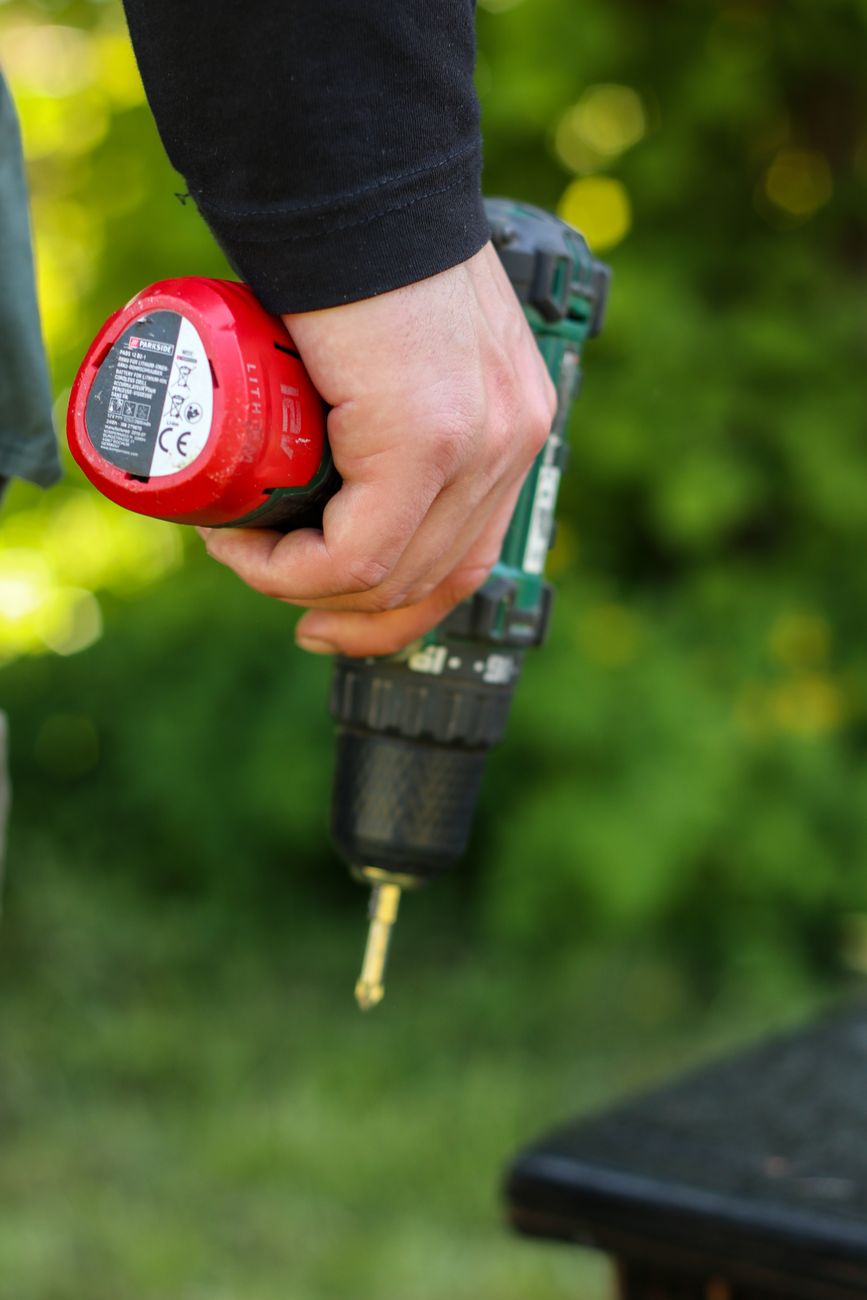
Hardware stores push 18V and 20V drills because they are more expensive and have higher margins. For hanging shelves, assembling furniture, drilling into drywall, and the occasional hole in a fence post, a 12V drill is lighter, cheaper, and more than powerful enough. You are not building a deck. You do not need professional-grade torque.
I have used my 12V drill for three years. It has driven hundreds of screws, drilled dozens of holes, and never once stalled on a household task. It weighs half as much as an 18V model and fits in tight spaces the larger drill could not reach. The battery charges in under an hour and lasts through an entire afternoon of projects.
Brushless versus brushed motors
Brushless motors are more efficient, last longer, and adjust power delivery based on the resistance they feel. They also cost about thirty percent more. For a casual user who drills a few holes a month, a brushed motor is fine and saves money. If you use the drill weekly or more, the brushless upgrade is worth it for the battery life alone.
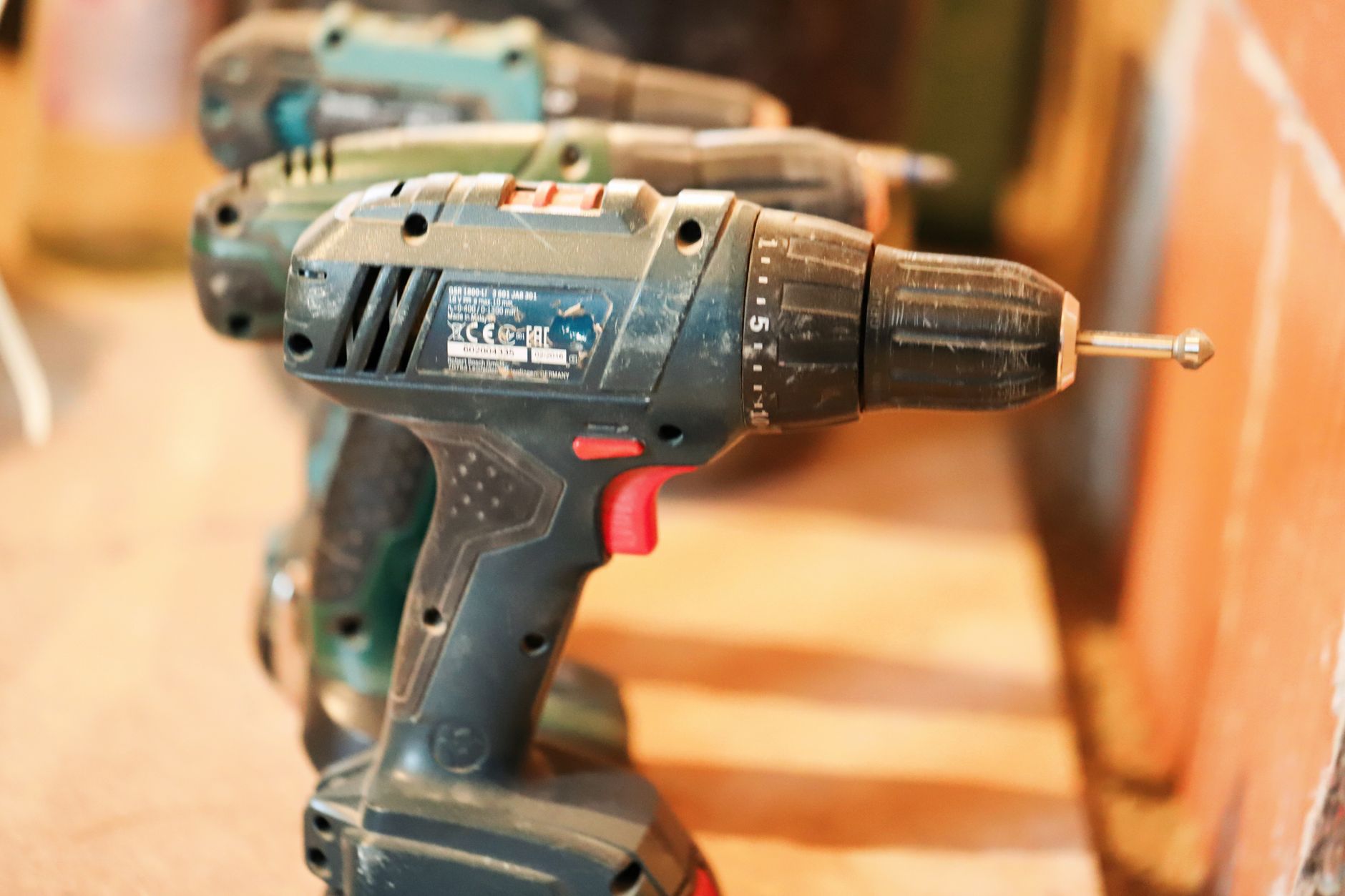
The spec to actually care about: torque settings. A drill with adjustable torque prevents you from driving a screw straight through the drywall. Look for a numbered clutch collar near the chuck. Lower numbers for small screws in soft material. Higher numbers for large screws in hardwood. The drill stops automatically when it hits the set resistance instead of stripping the screw head.
What should come in the kit
A decent drill kit for beginners should include: the drill with one or two batteries, a charger, a set of driver bits (Phillips, flathead, and a few hex sizes), and a small set of drill bits for making holes. If the kit includes a carrying case, even better it keeps everything together instead of bits rattling around a junk drawer.
The one accessory I recommend immediately: a magnetic bit holder that connects between the drill and the driver bit. It adds about an inch of length and holds screws on the bit so you can start them one-handed. This five-dollar accessory made more difference to my drilling experience than upgrading the drill itself.
Quick Summary: A 12V drill handles nearly every household task and is lighter and cheaper than 18V. Look for adjustable torque settings to avoid stripping screws. A magnetic bit holder is the best five-dollar accessory you can buy.