Blackout Curtains That Actually Block the Light — Not Just Most of It
I bought “blackout” curtains from a discount store that let in so much light you could read a book at noon. They were dark-colored, sure. They dimmed the room a little. But “blackout”? Not even close. A streetlight outside my bedroom window still painted a stripe across my ceiling every night.
Real blackout curtains are lined with a dense, opaque fabric that blocks 99% or more of incoming light. Here is how to tell the difference before you buy — and the three pairs I have actually tested.
How to Spot Fake “Blackout” Curtains
Hold the fabric up to a light source before buying if you can. If you can see any pinpricks of light through the weave, it is not truly blackout. Online, look for these clues:
- Triple-weave construction. True blackout curtains have a layer of black thread sandwiched between two outer layers. The product description will say “triple weave” or “three-layer.”
- Thermal insulation as a bonus. The same dense layer that blocks light also blocks heat. Good blackout curtains reduce heat gain in summer and heat loss in winter. If the product mentions thermal properties, it is a good sign.
- Grommet top vs rod pocket. Grommets (metal rings) let light through the hole. A rod pocket (fabric sleeve) blocks light better. Some curtains have a covered header that prevents the “light gap at the top” problem entirely.
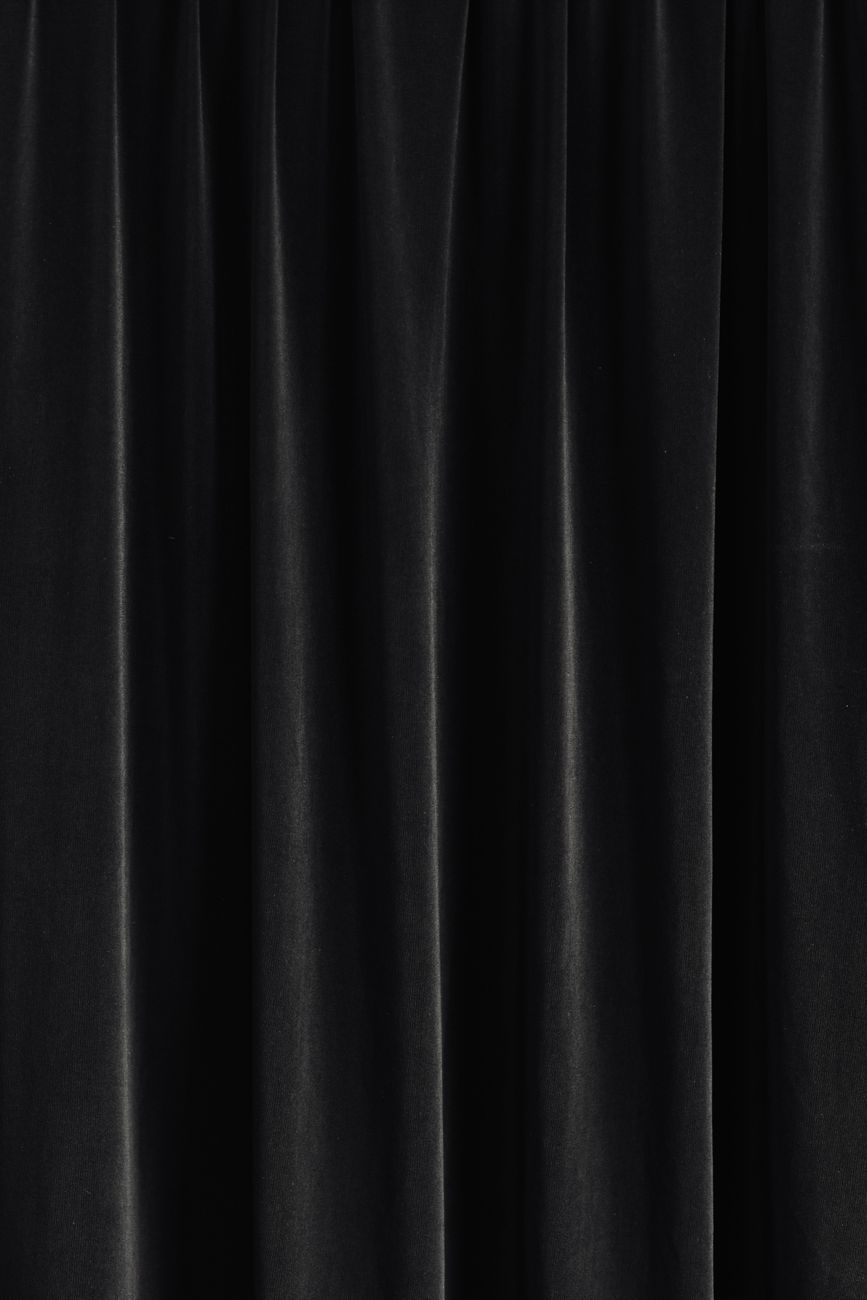
The Best I Have Found: NICETOWN Blackout Curtains
About $25-35 per panel depending on size. These are triple-weave with a true blackout liner. I hung them in my bedroom and immediately noticed the room was pitch black even at midday. The fabric is heavy and hangs well. They also noticeably reduced the temperature in that room during summer — the afternoon sun used to turn it into an oven.
Available in about forty colors. The white ones are slightly less effective than the dark ones (physics), but still block about 95% of light.
For Renters: Redi Shade Blackout Shades
About $15-20 per shade. These are paper shades that stick to the window frame — no drilling, no hardware. Trim to width with scissors, peel and stick. They block light completely because they cover the entire window area, including the gaps at the edges where curtains let light leak around the sides.
They are not pretty. But for a rental bedroom where you cannot install curtain rods, or for a nursery where you need total darkness during nap time, they work perfectly.
The Gap Problem (and How to Fix It)
Even the best curtains let light leak around the edges. For total darkness, you need curtains wider than your window — at least twice the width — and a rod that extends past the window frame on both sides. Mount the rod as close to the ceiling as possible and a few inches above the window. This minimizes the light halo at the top.
I sleep noticeably better in a dark room. The streetlight no longer bothers me. The room is cooler. Thirty-five dollars well spent.
Quick Summary: Best value: NICETOWN Blackout Curtains ($25-35/panel) — triple-weave, thermal insulation, 40+ colors. For renters: Redi Shade ($15-20) — peel-and-stick paper shades, no hardware. Look for “triple weave” in the description. Buy curtains 2x wider than window, rod extended past frame on both sides, mounted close to ceiling to eliminate edge gaps.