Avoid Bitter Braised Dishes With This Timing Trick
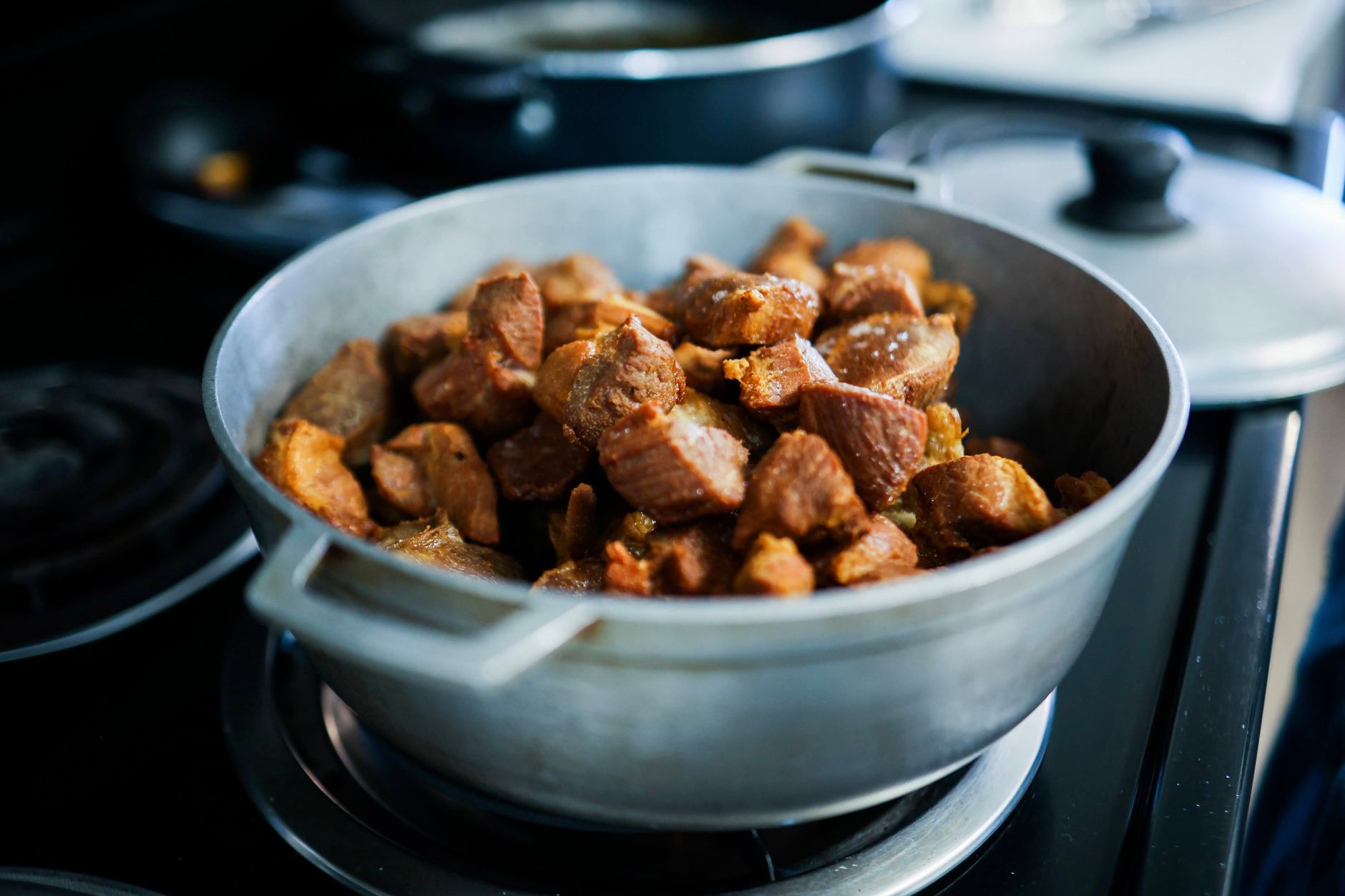
The first time I made braised pork belly, it came out bitter. Not “hmm, a little off” bitter — actively unpleasant. I had followed the recipe. The soy sauce was fresh. What went wrong took me three attempts and a deep forum dive to figure out.
The culprit was not the ingredients. It was when I added the soy sauce.

Soy Sauce Burns If You Add It Too Early
Soy sauce contains sugars and amino acids that scorch easily at high heat. When you add it at the beginning of a braise, especially if you sear the meat first in the same pot, those compounds burn before the liquid goes in. The result tastes like burnt caramel crossed with something metallic.
The fix is stupidly simple: add soy sauce after the liquid is already in the pot. Sear your meat, add your aromatics, pour in your broth or water, bring it to a simmer, THEN add soy sauce. The liquid temperature stays below the scorch point and the soy integrates cleanly.
I tested this side by side with two batches of braised chicken thighs. Early soy was bitter. Late soy was round and savory. Same ingredients, same pot, same stove. Just timing.
Other Bitter Braise Culprits
Burnt garlic: Garlic goes from golden to burnt in about fifteen seconds. If you are searing meat first, add garlic in the last 30 seconds or wait until the liquid is in. Burnt garlic turns acrid and there is no fixing it — you have to start over.
Too much star anise or cloves: These spices are powerful. One star anise pod and two cloves is enough for a four-serving braise. More than that and the dish tastes like licorice medicine. I learned this the hard way with a beef stew that nobody finished.
Red wine reduced too far: If your recipe calls for wine, reduce it gently and do not let it boil dry before adding other liquid. Concentrated wine tannins are deeply bitter. I now add wine and broth together to avoid this entirely.
The Braising Order That Never Fails
- Sear meat in batches. Remove and set aside.
- Lower heat. Cook onions and hardy vegetables until soft.
- Add garlic and ginger in the last 30 seconds.
- Pour in broth, wine, or water. Scrape up any browned bits on the bottom.
- Now add soy sauce, fish sauce, or any salty seasoning.
- Return meat. Add whole spices. Bring to a gentle simmer — not a boil.
- Cover and braise low and slow.
This order has not failed me since I figured it out. The difference between a good braise and a bad one is mostly about sequencing, not ingredients.
📋 Quick Summary: Add soy sauce and salty seasonings after the braising liquid is already in the pot. Burnt soy equals bitter food — and there is no recovering from it.