Are Expensive Non-Stick Pans Worth It — I Tested Both Sides
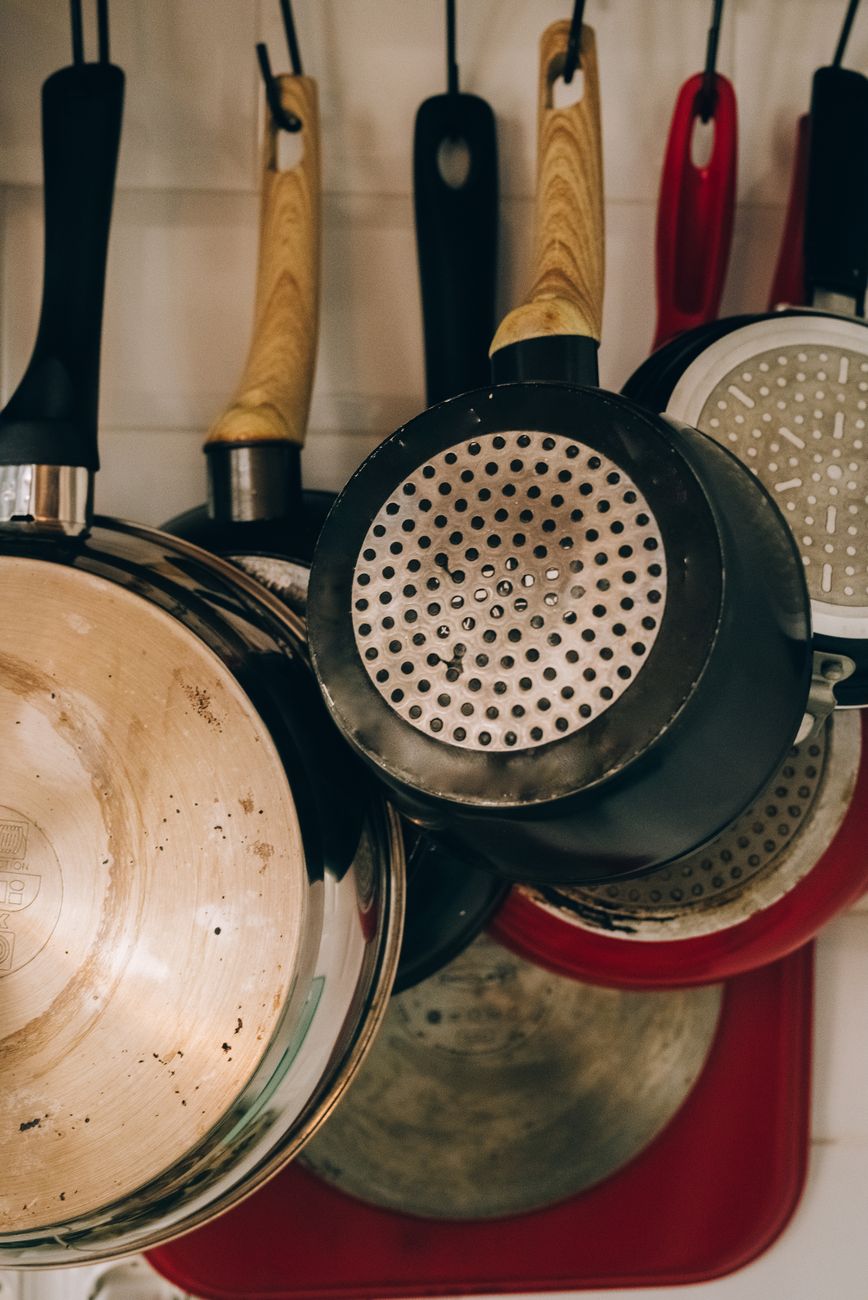
I bought a $120 non-stick pan three years ago. My friend bought a $25 one from a big-box store on the same day. We made a bet about whose would last longer. We have been cooking on them side by side ever since, comparing notes like two very boring scientists.
Here is the uncomfortable truth about expensive non-stick pans.
They All Fail Eventually
Every non-stick coating—regardless of brand or price—degrades. The $120 pan lasted about two and a half years before eggs started sticking. The $25 pan lasted eighteen months. Both were treated well: hand-washed, no metal utensils, medium heat only. The expensive pan lasted about a year longer. Was that extra year worth four times the price?
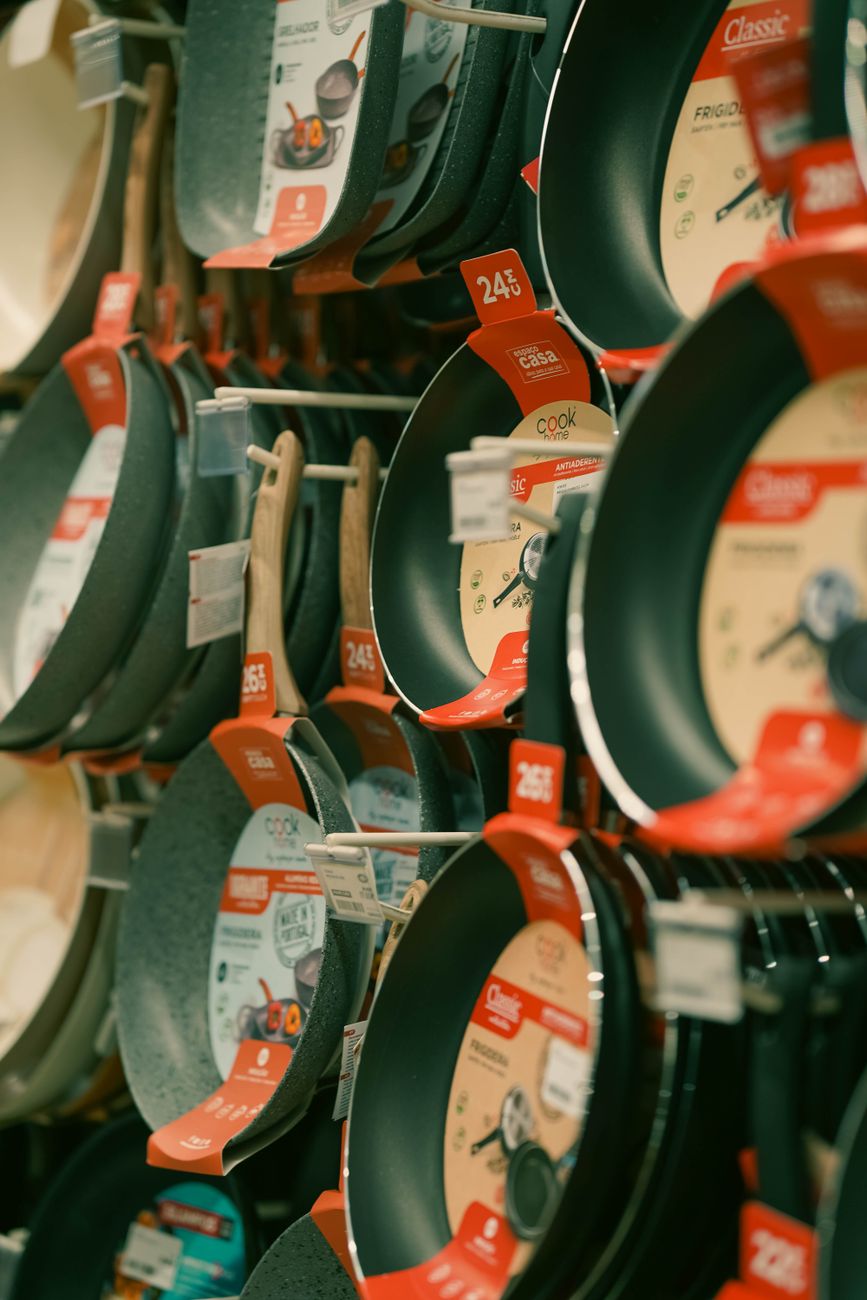
What You Are Really Paying For
The expensive pan had better heat distribution. Food cooked more evenly. The handle was riveted, not screwed, so it never wobbled. The cheap pan developed a hot spot in the center where everything burned if I was not paying attention, and the handle loosened after about a year. These differences matter for daily cooking. For occasional use? Probably not.
The Verdict
If you cook eggs or delicate proteins every morning, spend around sixty to eighty dollars on a mid-range pan from a reputable brand. The sweet spot is not the cheapest and not the most expensive. Any non-stick pan over a hundred dollars is probably overkill unless you are a professional. Under thirty dollars, you are buying a disposable pan that will frustrate you within a year.
My friend replaced her cheap pan with a seventy-dollar model. I am still using my expensive one, but honestly—the non-stick performance is about the same as hers at this point. The bet is ongoing. Neither of us has officially won. We might just keep doing this forever.
📋 Quick Summary: All non-stick coatings fail eventually. Expensive pans ($120) lasted 2.5 years vs 1.5 years for cheap ones ($25). The sweet spot is $60-80—better heat distribution and build quality than budget pans, but without the diminishing returns of premium pricing.