Air Purifiers for Allergies — What Actually Filters the Air
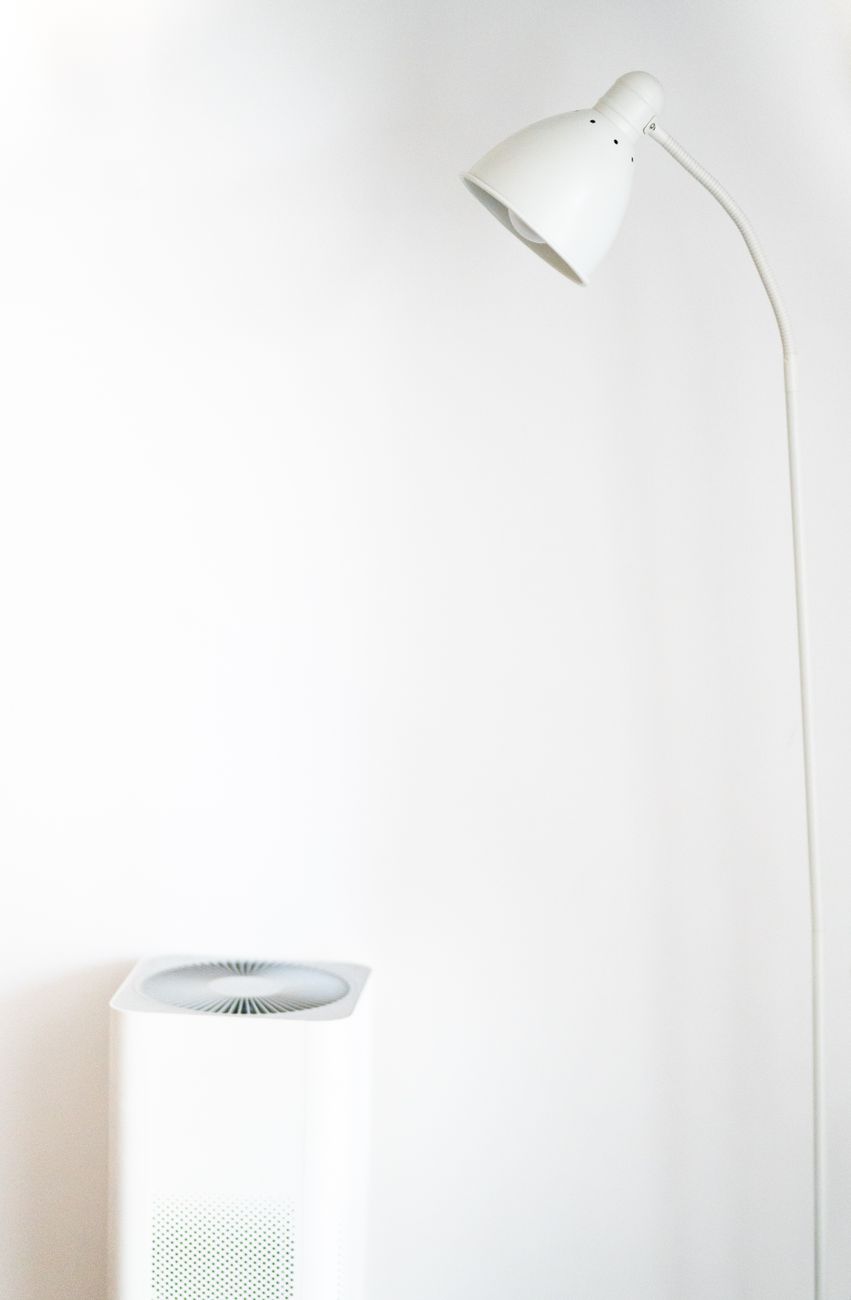
I woke up every morning in April with my eyes glued shut. Pollen season. I tried antihistamines, saline rinses, keeping the windows closed. Nothing worked completely. Then I spent three hundred dollars on an air purifier that, as far as I can tell, did nothing. The air coming out smelled like plastic and my allergies did not budge. I returned it and did actual research before buying the second one.
The only filter type that matters for allergies
HEPA. True HEPA, not “HEPA-type” or “HEPA-like” or “HEPA-style.” True HEPA means the filter traps 99.97% of particles at 0.3 microns. Pollen grains are ten to a hundred microns — well within range. Dust mite waste is about ten microns. Pet dander is two to five microns. A real HEPA filter catches all of it.
Manufacturers use the word “HEPA” loosely. Look for the phrase “True HEPA” and a specific efficiency rating. If it says “99.97% at 0.3 microns” on the spec sheet, it is real. If it just says “HEPA filtration” with no numbers, it is marketing.
Room size ratings are optimistic — ignore them
An air purifier rated for “up to 500 square feet” usually means it can do four air changes per hour in that space on its highest fan speed — which is also its loudest. At a quieter speed you can actually tolerate, it might manage one air change per hour in a 200-square-foot room.
Buy for the room you are actually putting it in, then go one size up. Bedroom is 150 square feet? Buy one rated for 300. The bigger unit can run on medium speed instead of maximum, which means it is quieter and the filters last longer.
Noise matters more than you think
If the purifier is going in your bedroom — which is where it should be, since you spend eight hours a night breathing that air — you need it quiet enough to sleep next to. Look for the decibel rating on the lowest speed. Under 30 dB is essentially silent. 30 to 40 dB is a quiet whisper. Over 50 dB is a conversation and will keep you awake.
I returned my first purifier because the lowest fan setting sounded like a window air conditioner. My current one runs at 24 dB on low and I cannot hear it over my own breathing.
Filter replacement costs — the hidden expense
A two-hundred-dollar purifier with sixty-dollar replacement filters every six months costs more over three years than a four-hundred-dollar purifier with twenty-dollar annual filter replacements. Check the filter cost and replacement interval before buying. Some brands lock you into proprietary filters that only they sell. Others use standard sizes you can buy from third parties for half the price.
Ionizers and UV lights — skip them
Some purifiers include an ionizer that charges particles so they stick to surfaces. The problem: ionizers produce ozone, a lung irritant. The amount is usually small but there is no reason to add it when HEPA filtration alone works. UV lights claim to kill bacteria and viruses but the exposure time in a fast-moving air stream is too short to do much. Both features drive up the price without adding meaningful filtration.
The right purifier, in the right room, run continuously on medium speed, with the door closed — that is the formula that stopped my April allergy misery. It is not magic. It is just a fan and a good filter.
Quick Summary: Buy True HEPA with a specific efficiency rating (99.97% at 0.3 microns). Size up for quieter operation. Check filter replacement costs. Skip ionizers and UV. Run continuously in the bedroom with the door closed.