How to Clean a Burnt Pot Without Scrubbing All Night
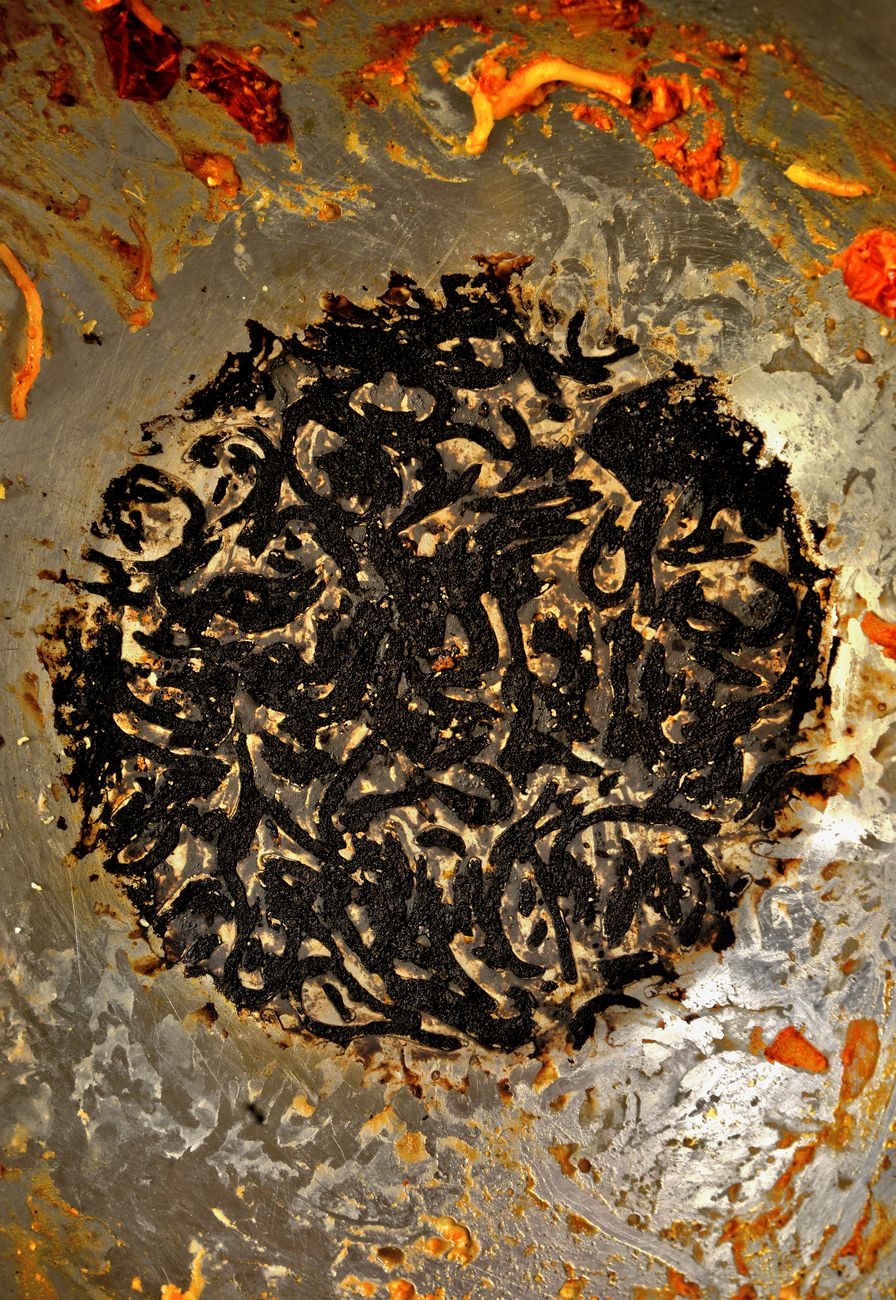
I walked away from a pot of rice once and came back to a layer of black crust that looked welded on. My first instinct was steel wool and forty minutes of scrubbing. Turns out there is a faster way, and it uses stuff already in your kitchen.
The deglaze trick that does most of the work
Fill the burnt pot with enough water to cover the crust. Add a splash of white vinegar, about a quarter cup, and bring it to a simmer on the stove. Let it bubble gently for ten minutes. The heat and acid loosen the burnt layer, and you will see big pieces start to lift on their own. Let it cool before you touch it. Hot water plus cold hands is a burn waiting to happen.
Baking soda finishes the job
Pour out the water and sprinkle a generous layer of baking soda over the remaining crust. Add a little water to make a paste and let it sit for fifteen minutes. Then scrub gently with a soft sponge. The crust that survived the boil comes off in a few passes. Baking soda is mildly abrasive, so it cleans without scratching most pots.
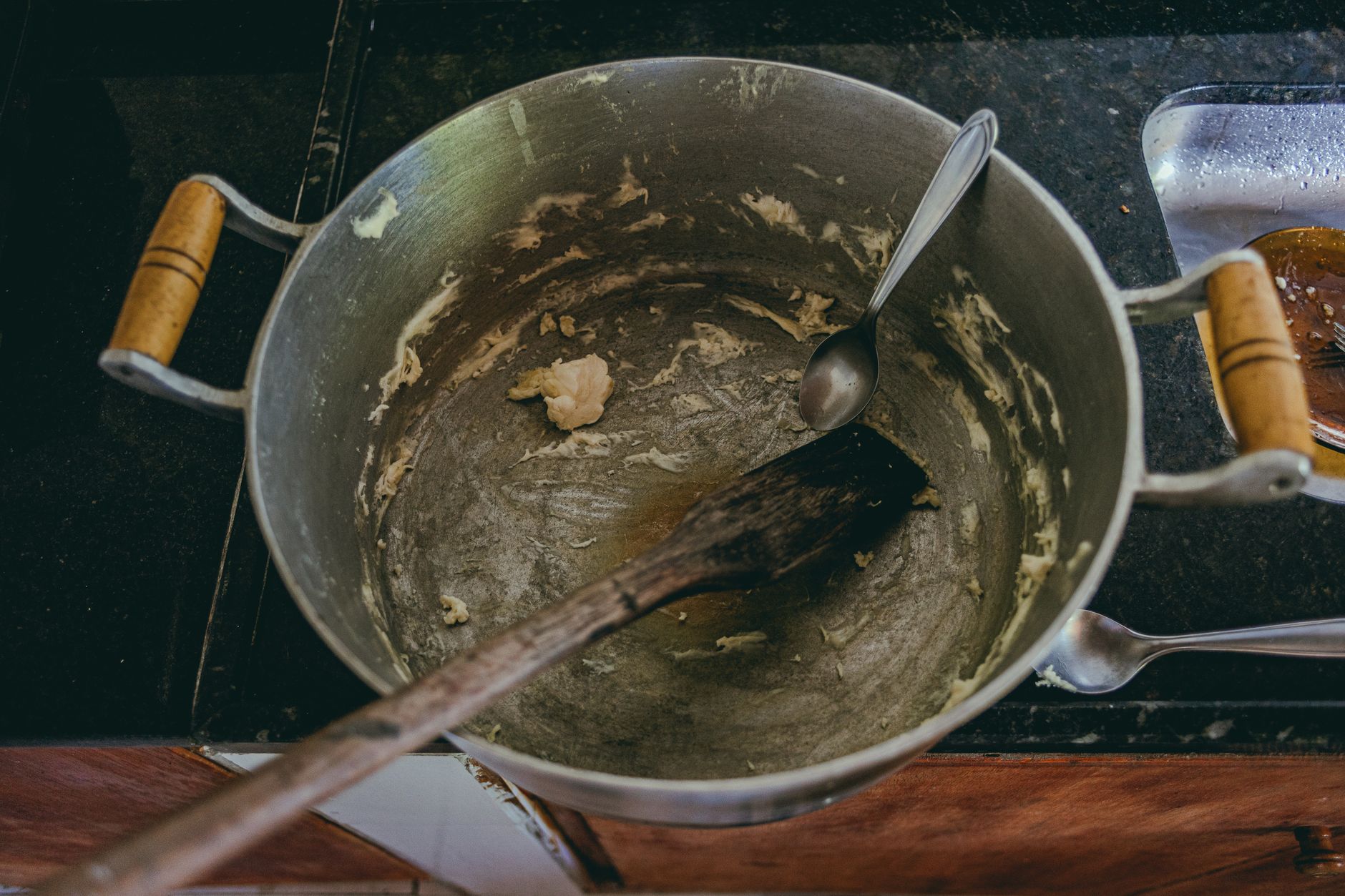
What about a truly blackened pan?
For the worst cases, do the vinegar simmer, then add a couple of tablespoons of baking soda to the simmering water itself. It will foam. That is normal. Let it work for another ten minutes, then repeat the paste step. I have rescued a saucepan that looked beyond saving with this method.
What not to do
- Do not soak aluminum pots in baking soda for hours. It can discolor them.
- Do not scrape with metal tools on nonstick pans. You will ruin the coating.
- Do not use bleach. It is harsh, and the fumes are not worth it for a pot.
Prevention beats rescue: use a heavier pot for things that scorch easily, stir often, and keep the heat lower than you think you need. But when the crust still wins, simmer, paste, and it is gone.
📋 Quick Summary: Simmer water and vinegar in the burnt pot for ten minutes, then scrub the loosened crust with a baking soda paste.