This Portable Charger Saved Me During a Power Outage
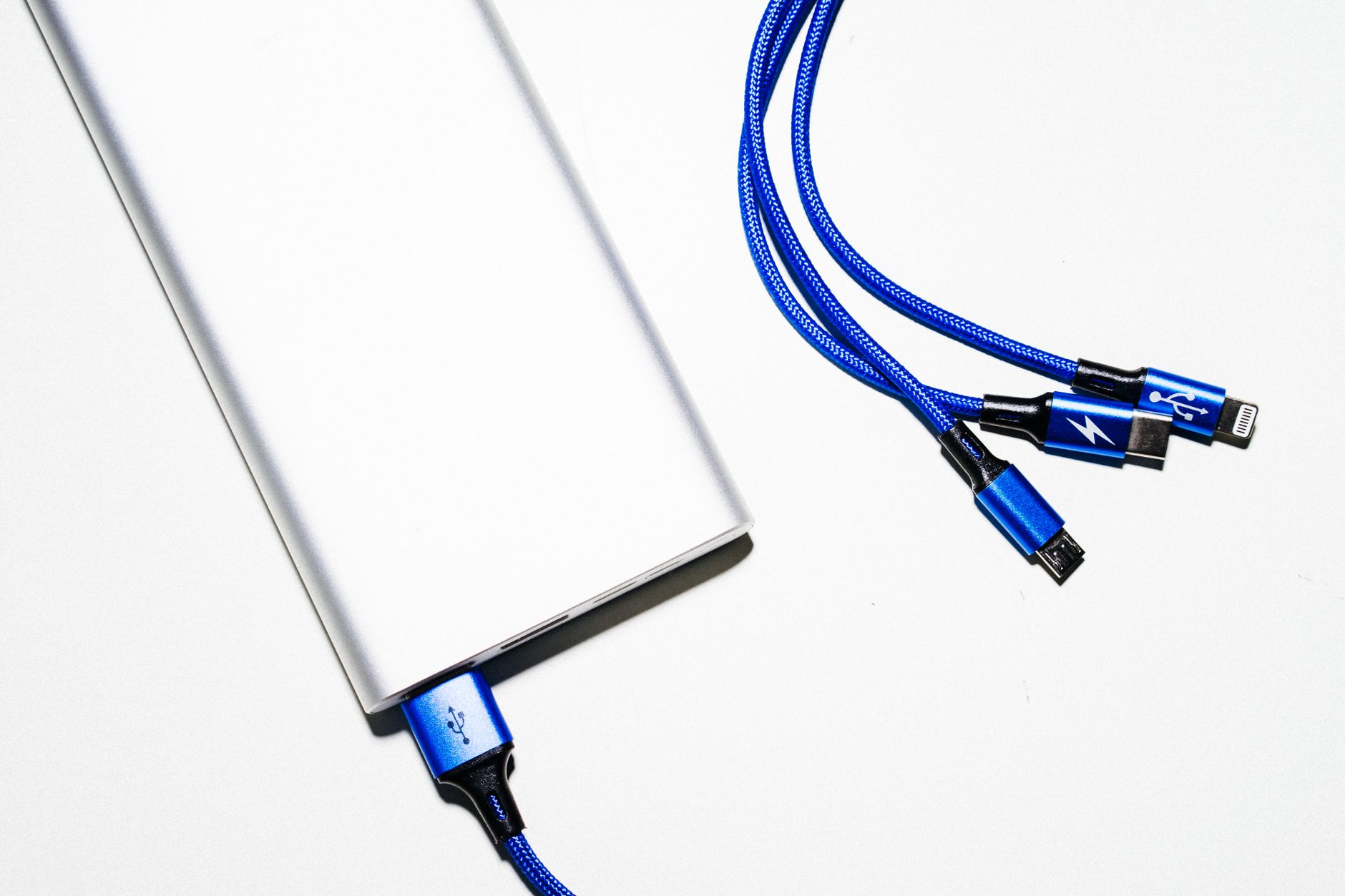
The power went out in my neighborhood on a hot night last summer, and it stayed out for fourteen hours. I had a dead phone, a dead laptop, and a very bored kid. The only thing that kept us going was a portable charger I had bought for travel and mostly forgotten about.
When the grid goes down, your phone is your lifeline, and a charged power bank is the difference between being connected and being cut off.
What I used
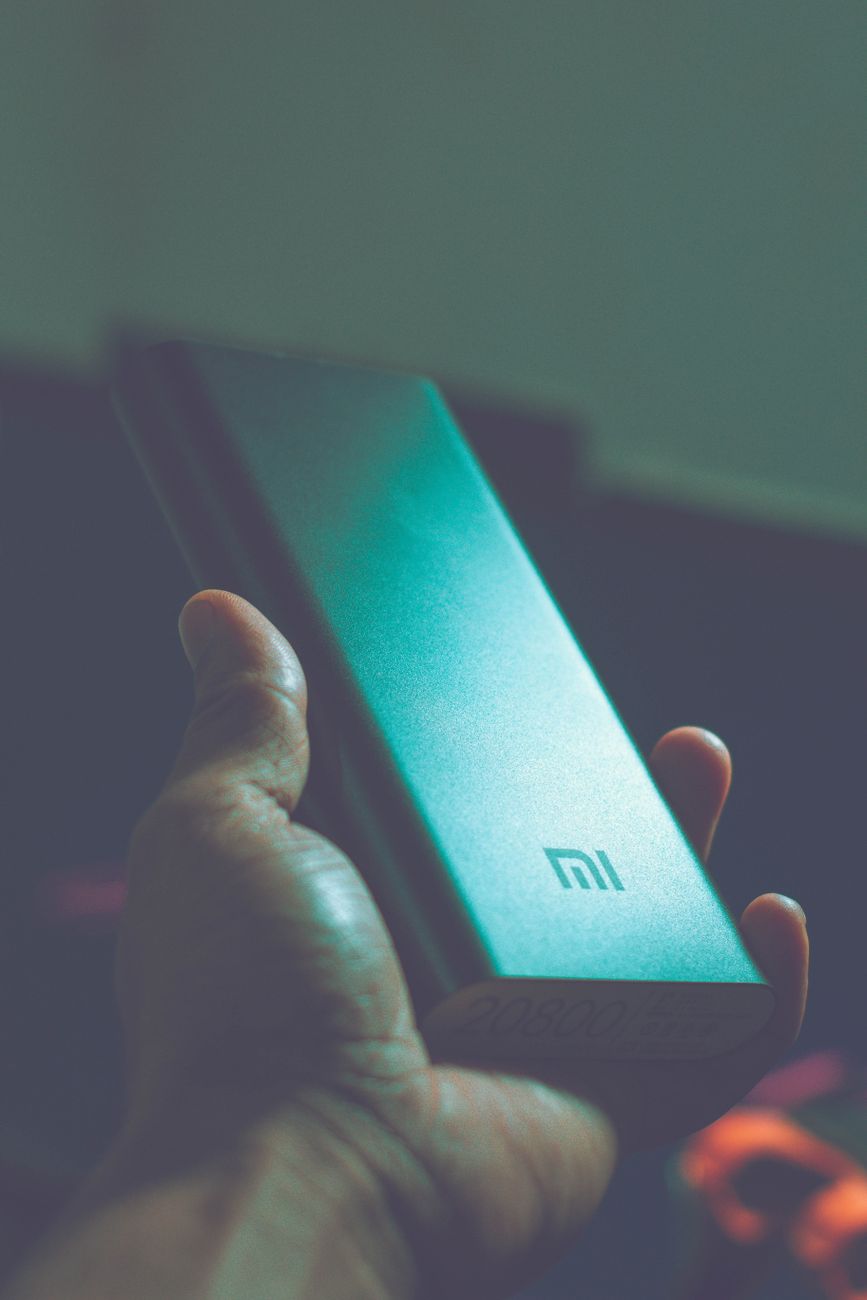
I have a mid-size power bank, around 20,000 mAh. It charged my phone about four times and my laptop once before it ran dry, which covered the whole outage with room to spare. That was the moment I stopped treating it as a travel gadget.
What to look for
- Capacity. 10,000 mAh is a phone charger. 20,000 mAh and up can handle phones plus a laptop.
- Output power. For a laptop, you need a power bank that supports USB-C power delivery, usually 45 watts or more.
- Multiple ports. Two USB ports let you charge a phone and something else at the same time.
- Pass-through charging. Some banks can charge themselves and your devices at once, which helps when power comes back in short bursts.
Keep it ready
A power bank that is dead is just a brick. I top mine up once a month and check it before storm season. It takes five minutes, and it means the bank is always ready when the lights go out.
My other outage lessons
- Charge everything before the storm hits, not when the lights flicker.
- Keep a flashlight where you can find it in the dark.
- Use your phone’s battery saver mode during an outage, and turn off background apps.
Worth the price
I paid about thirty dollars for mine, and it has already paid for itself in one night. For emergency prep, a good power bank is one of the cheapest insurance policies you can buy.
📋 Quick Summary: A 20,000 mAh power bank with USB-C power delivery can keep a phone and laptop alive through a long outage. Top it up monthly and keep it ready.
I used to think of it as a travel gadget. Now it lives by the door, charged and ready.