How to Prevent Blisters When Breaking In New Shoes
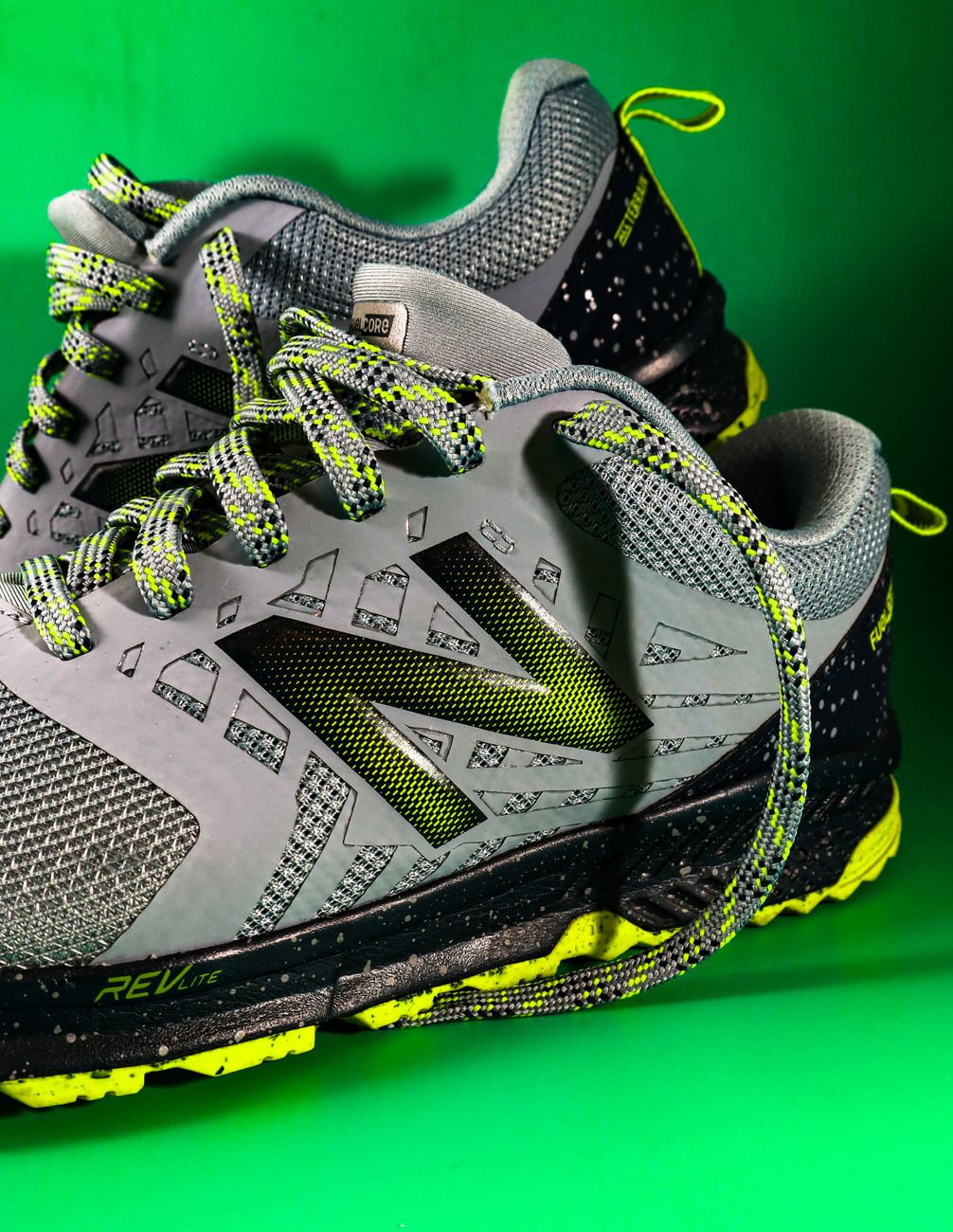
I bought a pair of hiking boots for a trip, wore them straight out of the box on a four mile walk, and came home with a blister on each heel the size of a quarter. The trip was ruined before it started.
I have since learned the rules for breaking in shoes, and blisters have become a rarity instead of a certainty.
Break them in slowly
The whole secret is gradual wear. New shoes need time to flex and mold to your feet. Wear them around the house for an hour a day for a week before taking them on any real walk. The leather or fabric loosens, and your feet get used to the new shape.
I used to think breaking in shoes meant suffering through a few long walks. It means the opposite: short sessions, repeated, over time.
Wear the right socks
Your socks matter as much as the shoes. Thin, moisture wicking socks reduce friction, and friction is what causes blisters. Cotton socks get wet and sticky, which makes the fabric grab your skin. Wool or synthetic blends stay slick even when your feet sweat.
For breaking in boots, I wear two pairs of thin socks. The layers rub against each other instead of rubbing your skin. This trick works.
Lubricate the hot spots
If you know a shoe rubs a particular spot, apply a balm or lubricant there before wearing. Body glide, petroleum jelly, or even a solid deodorant applied to the heel works. The slick layer lets the shoe slide over your skin instead of pulling at it.
I carry a tiny tin of balm in my bag now. One swipe on a hot spot before a walk and the problem never develops.
Pre-treat with moleskin
For known problem areas, cut a piece of moleskin and stick it on your foot before you put the shoes on. Moleskin is a padded adhesive fabric that takes the friction instead of your skin. It is cheap, it stays on through a whole day, and it is the standard fix for shoe hotspots.
Do not ignore the first sign
A hot spot is a blister in progress. The moment you feel a burn, stop and fix it. Add a layer of balm, apply a bandage, or change socks. Walking another mile on a hot spot is how you get the big ones.
If you already have a blister
Do not pop it if you can avoid it. The skin on top is a natural bandage. Cover it with a blister bandage and let it heal on its own. If it pops on its own, clean it, keep it covered, and do not peel the skin off.
Quick Summary: Wear new shoes around the house in short sessions, use moisture wicking socks, lubricate hot spots, and fix the first sign of a burn immediately.
The hiking boots are my favorite pair now, and the blisters were a one time thing. These days I break in every new pair on the living room carpet before they ever see a trail.