How to Repair Cracked Tile Grout Before It Spreads
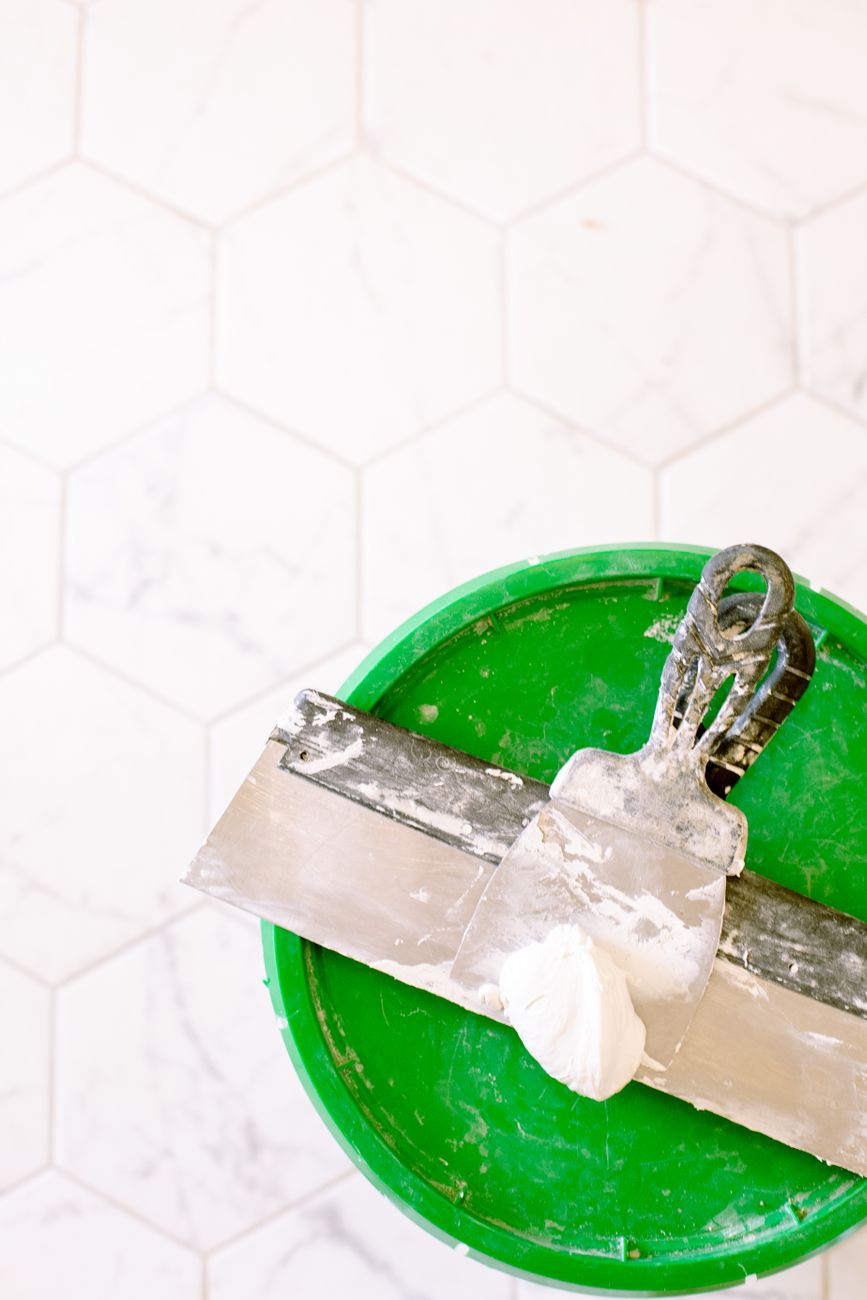
I noticed a hairline crack in the grout behind my bathroom sink last winter and told myself I would get to it. By spring, water had worked its way in, the crack had doubled, and a tile was starting to loosen. A twenty minute repair turned into a half day job.
Learn from me. Fix grout cracks when they are small.
Why cracks spread
Grout is porous. Once water gets in, it eats the grout from behind and works under the tiles. A small crack is a leak, not a cosmetic issue. Moisture behind tile means mold, and mold means a much bigger problem.
The repair
- Scrape out the cracked grout with a grout saw or utility knife. Go about an eighth of an inch deep.
- Vacuum out the dust.
- Mix a small batch of grout and press it in with a rubber float.
- Wipe the excess off with a damp sponge.
- Let it cure for 24 hours before getting it wet.
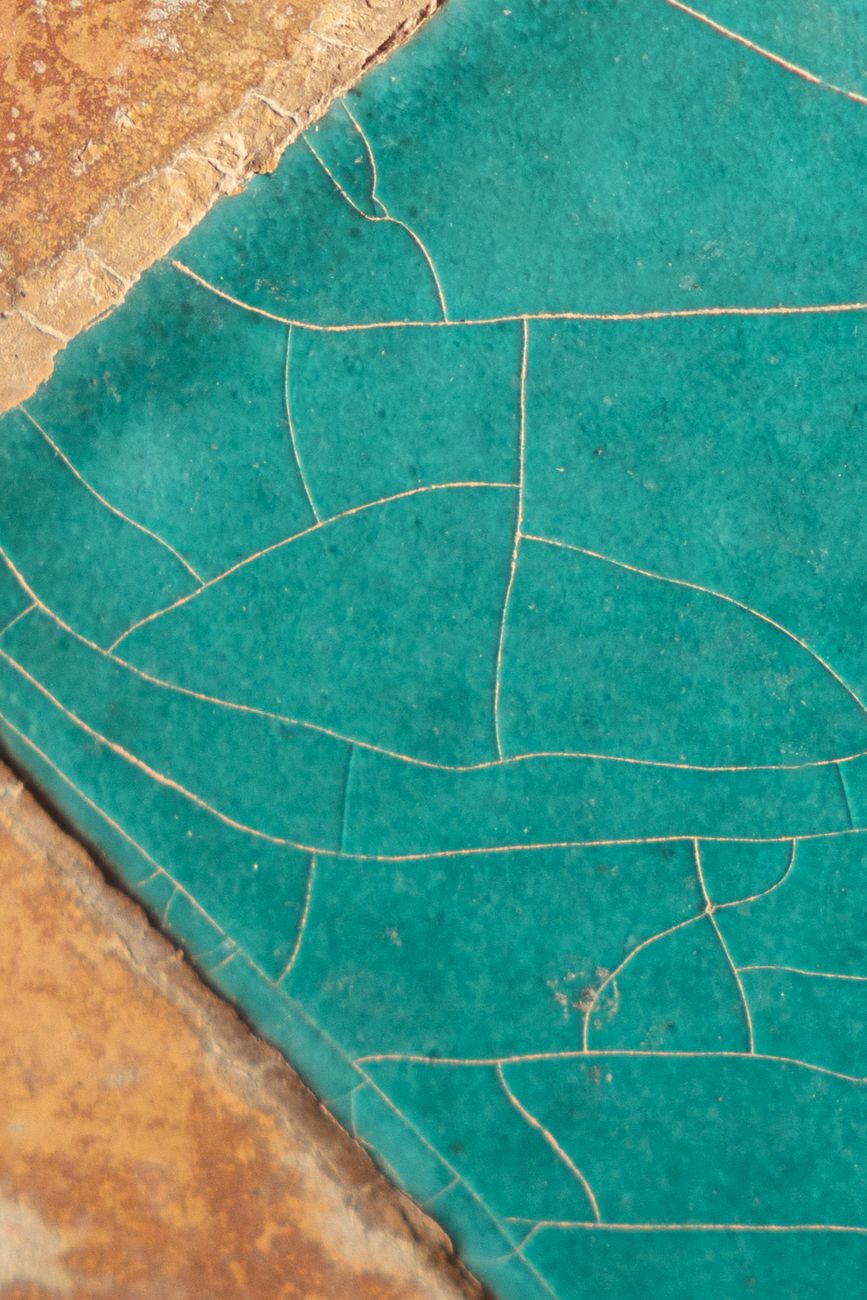
When to use caulk instead
Where tile meets a tub, sink, or corner, the joint needs flexible silicone caulk, not grout. Grout does not flex, so it cracks at movement points. That is a classic mistake. Corners and changes of plane always get caulk.
Pick the right product
For a bathroom, grab premixed grout in a small tub so you do not have to mix powder for a single joint. Match the color to what is already there. If you cannot find an exact match, most grout colors are close enough that nobody will spot it.
The follow-up
After the repair cures, apply a grout sealer to the whole area. Sealed grout shrugs off water and makes the next crack a lot less likely. I seal my bathroom grout once a year now, and I have not had a repeat.
📋 Quick Summary: Scrape out cracked grout, press in fresh grout or caulk at movement points, and seal it to stop water damage.