The Flashlight That Is Actually Bright Enough for Emergencies
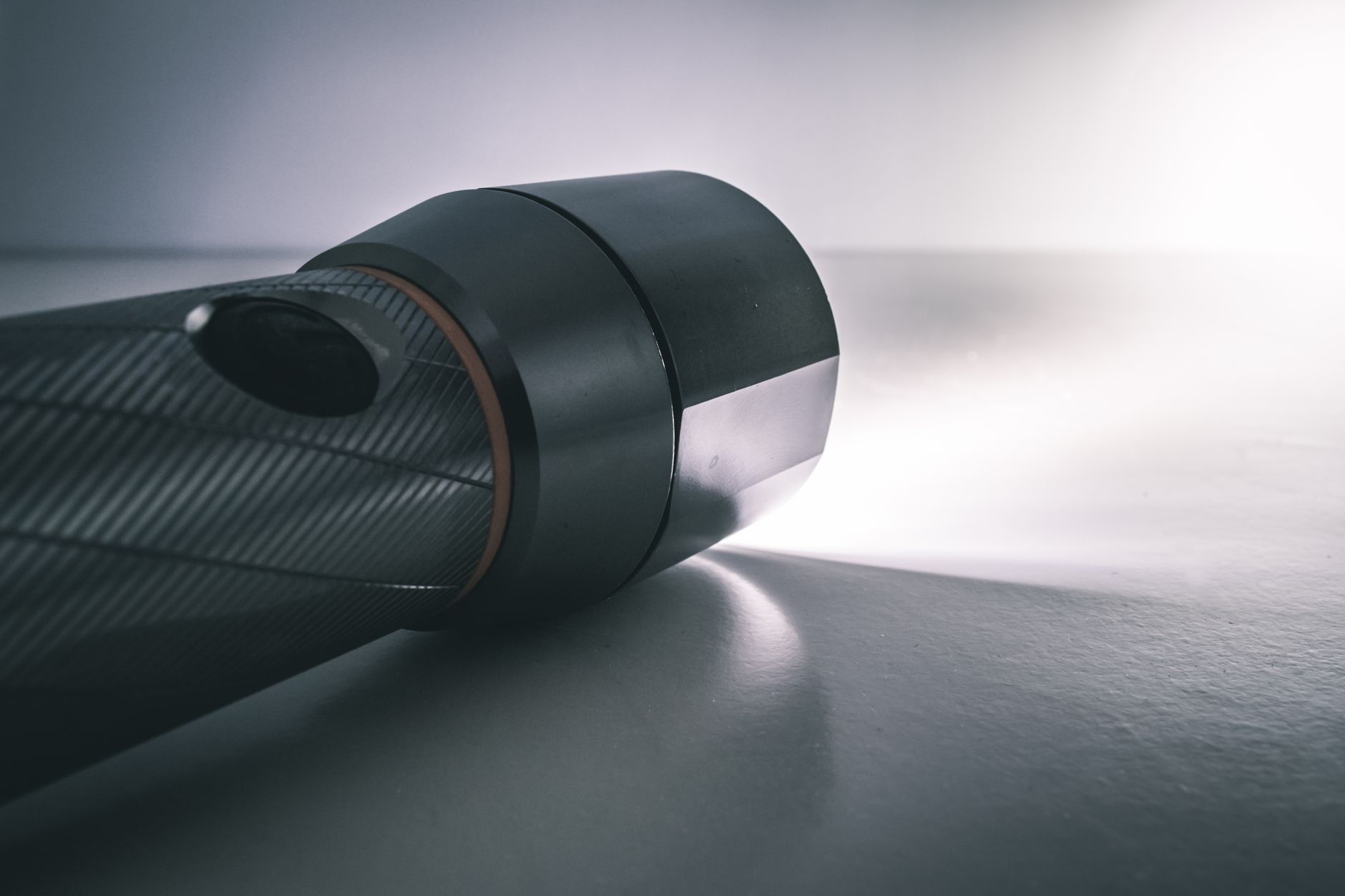
The power went out in my apartment during a storm last fall. I grabbed the flashlight from the junk drawer and clicked it on. It produced a sad yellow circle of light about the size of a dinner plate. I could not even see across the room. I ended up using my phone flashlight, which drained the battery to 5 percent in 40 minutes.
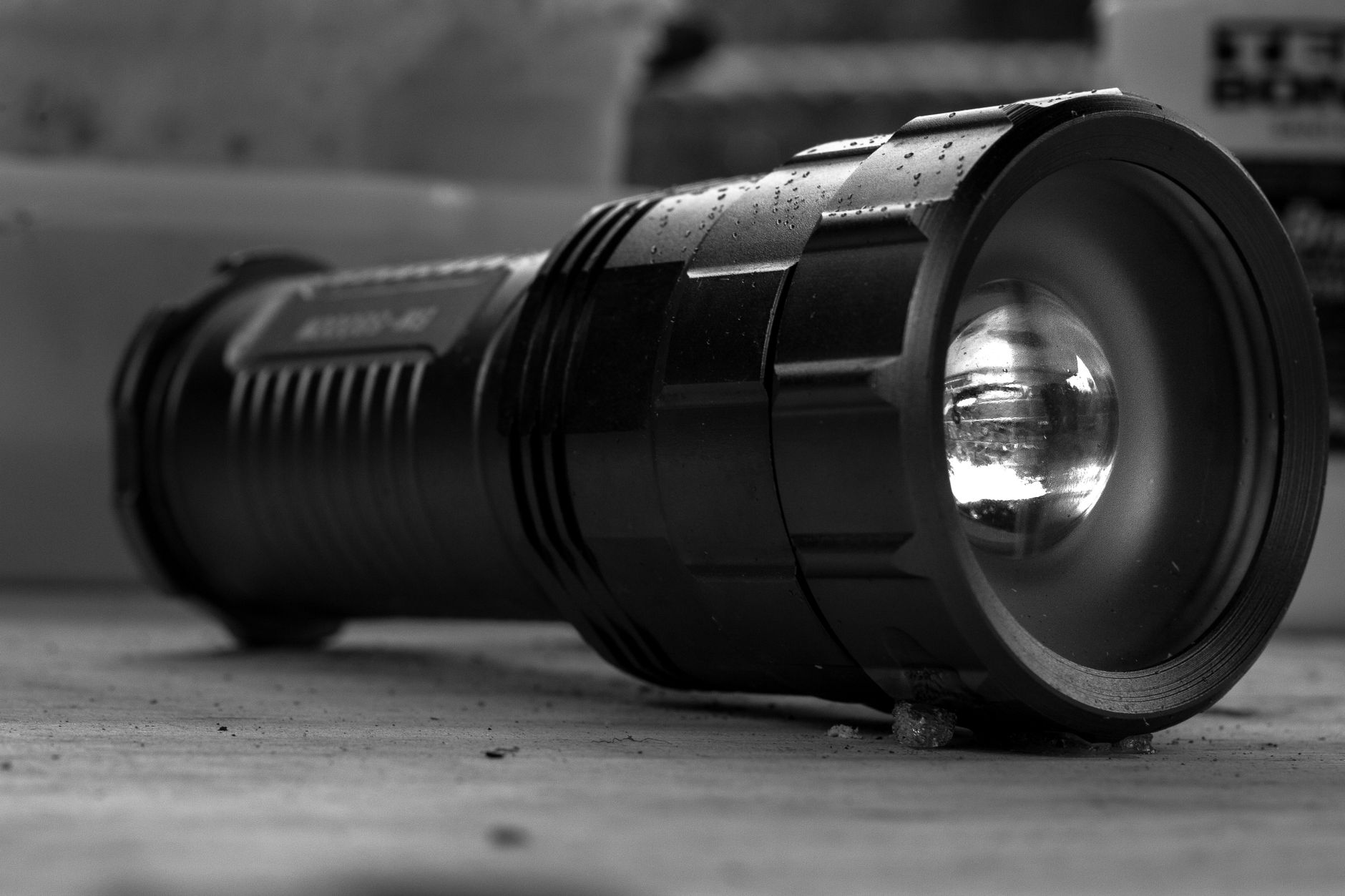
What You Actually Need in an Emergency Flashlight
A good emergency flashlight needs three things: enough brightness to light up a whole room (not just a spot on the wall), a battery that lasts, and a design that works when you are stressed and fumbling in the dark. The shopping criteria are simple once you know what to look for.
Lumens: This is brightness. A phone flashlight is about 40 lumens. That sad junk drawer light? Maybe 25. For a room-illuminating emergency flashlight, you want at least 500 lumens on the high setting. That is enough to light up a living room when you point it at the ceiling (ceiling bounce lighting works way better than pointing it directly at things). Most quality LED flashlights in the 30 to 50 dollar range hit 800 to 1000 lumens now.
Battery type: Skip the ones that take three AAA batteries. They drain fast and you never have spares when you need them. Look for a flashlight that uses a rechargeable 18650 or 21700 lithium-ion battery with USB-C charging. Charge it once every couple of months whether you use it or not, and it will always be ready. Many of these also work as a power bank to charge your phone in a pinch.
Modes: You want at least three: high (for illuminating a room), low (for conserving battery when you do not need full brightness), and strobe or beacon (for signaling if you are stranded or need to flag down help). A moonlight or “firefly” mode of 1 to 5 lumens is a bonus — it is bright enough to navigate a dark hallway at night without destroying your night vision or waking up everyone else.
What I Actually Bought
I ended up with a Wurkkos FC11 — it costs about 30 dollars, puts out 1300 lumens on high, charges via USB-C, and the battery lasts weeks on low mode. It has a magnet in the tail cap so you can stick it to a fridge or a metal shelf and have both hands free. For 30 dollars it solved a problem that a 700-dollar phone could not handle for more than an hour.
I keep one in the kitchen drawer, one in the car glovebox, and gave one to my parents. My mom used hers during a three-hour outage and called me afterward to say it was “ridiculously bright.” That is about as good as a product review gets from my mom.
What You Do Not Need
You do not need a “tactical” flashlight with a serrated bezel and 4000 lumens and a strobe that can disorient an attacker. That is a weapon marketed as a tool. You need a reliable light that turns on when you click the button and stays on until the power comes back.
📋 Quick Summary: Look for 500+ lumens, USB-C rechargeable battery (18650 or 21700), and multiple modes including low and high. A quality LED flashlight costs $25-40 and solves what your phone cannot. Keep one in the kitchen and one in the car.
This is the kind of purchase you hope you never need. But when the power goes out at 11 PM in a storm, you will be very glad you spent 30 dollars on a real flashlight instead of rummaging through a drawer of dead AA batteries.