The Best Way to Store Pool Floats Without Them Sticking Together
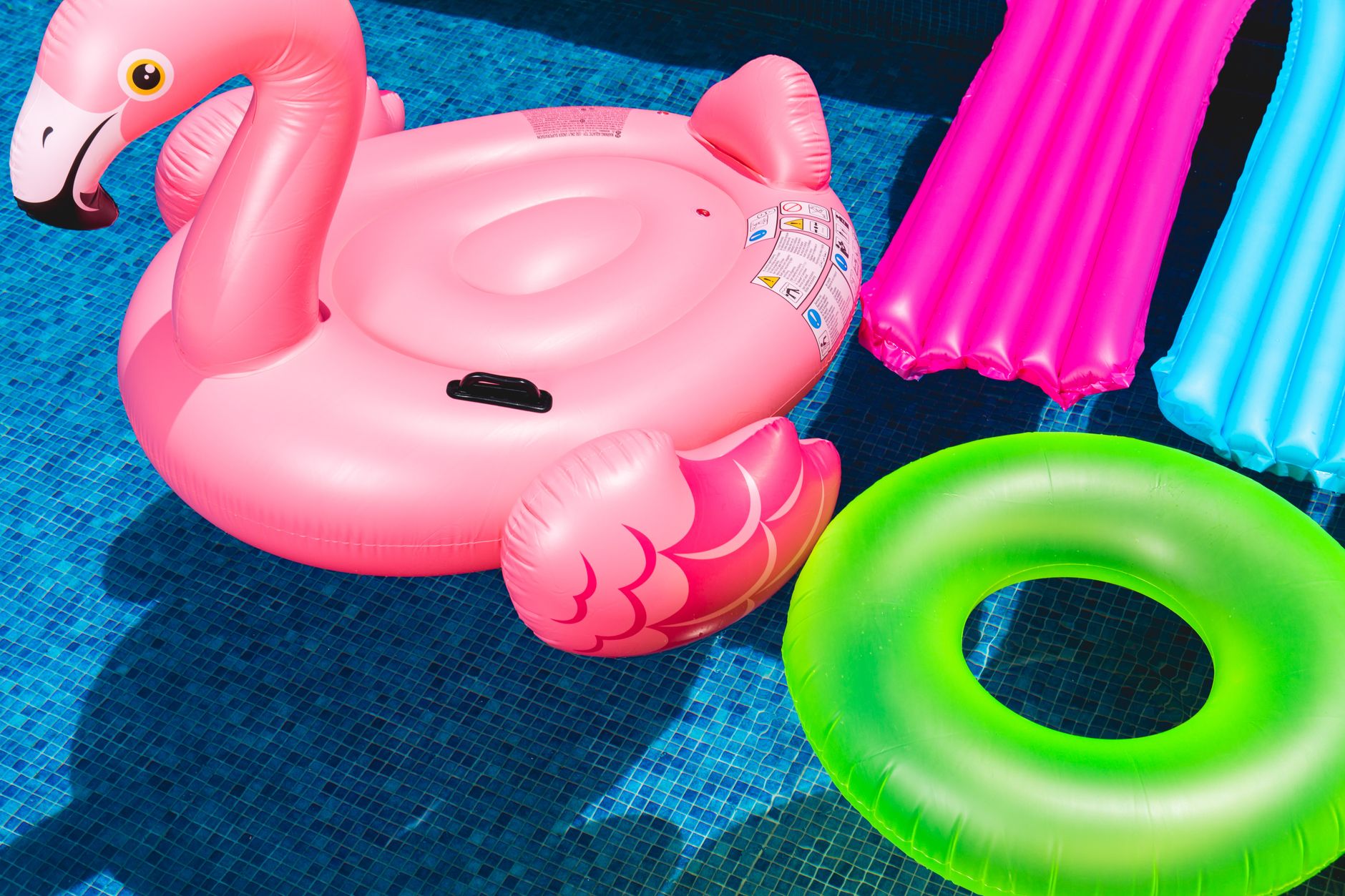
Last September I pulled our giant inflatable flamingo out of the garage and it had fused to a donut float so thoroughly I had to cut them apart. The plastic had softened in the summer heat, then cooled into one blob. I lost both floats and my dignity.
This year I asked the guy who runs the community pool how they store dozens of floats all winter without them turning into a plastic brick. His method takes five minutes at the end of summer and saves you from buying new floats every spring.
Step one: clean them first (yes, really)
Sunscreen residue, chlorine, and sweat create a sticky film on PVC and vinyl floats. That film is what makes them bond together in storage. Fill a kiddie pool or your bathtub with warm water and a splash of mild dish soap. Wipe down every float with a soft sponge, rinse thoroughly, and — this is the most important part — let them dry completely before you even think about storing them.
If you put away floats that are even slightly damp, you will open the storage bin in May to find moldy, sticky plastic that smells like a wet dog. Ask me how I know.
The baby powder trick (this is the secret)
Once the floats are bone dry, dust them with baby powder or cornstarch — just a light coating. Rub it in with your hands, then shake off the excess. The powder absorbs any residual moisture and creates a barrier between the plastic surfaces so they cannot stick together.
This is the same principle behind putting powder on rubber gloves to keep them from fusing. I thought the pool guy was pranking me, but I did it last fall and every float separated cleanly this spring. No cutting. No cursing.
How to actually fold and store them
Do not fold inflatable floats along sharp creases — those crease lines become permanent weak spots that eventually crack and leak. Instead, roll them loosely with the air valve open so they can breathe. If rolling is not practical, fold as few times as possible and put a piece of wax paper or parchment paper between each fold to prevent sticking.
Store them in a breathable mesh bag, not a sealed plastic bin. A sealed bin traps moisture and turns into a mildew incubator. A mesh laundry bag or even an old pillowcase works perfectly. Hang the bag from a hook in the garage so air circulates around it.
Where to store them
Not the attic if you live somewhere hot. Attic temperatures in summer can hit 140°F, which degrades PVC and makes it sticky and brittle. A basement or climate-controlled closet is better. If the garage is your only option, keep them in the coolest corner away from windows and direct sun.
📋 Quick Summary: Wash with mild soap, dry completely, dust with baby powder, roll loosely (do not fold), store in mesh bag in a cool dry place. The baby powder prevents plastic from sticking together. Replace floats every two to three years as PVC naturally degrades.