E-Readers vs Tablets for Reading Which One Is Better for Your Eyes
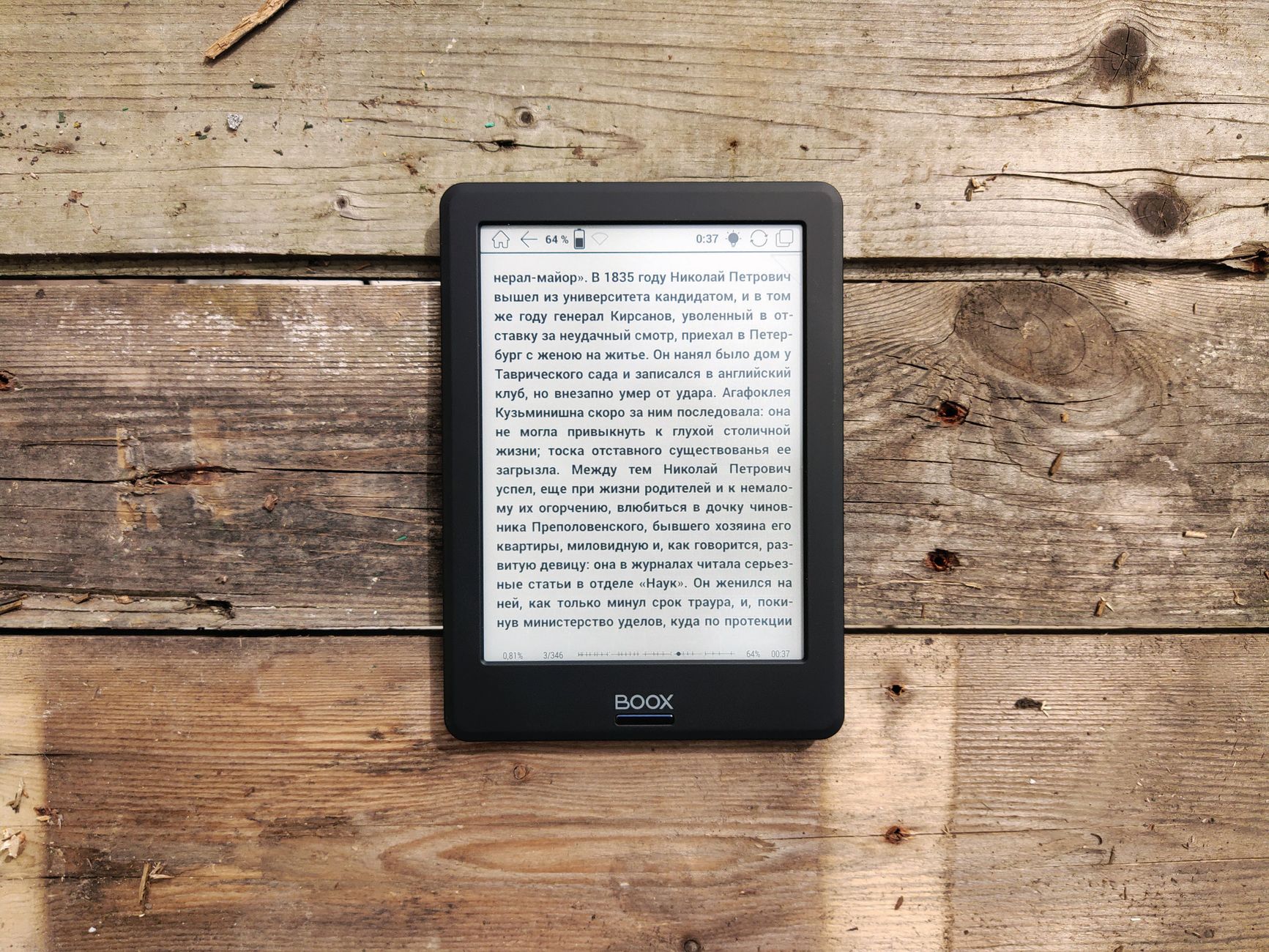
I read about thirty books a year — roughly evenly split between my phone, an iPad, and a Kindle. After a few years of switching between them, I have strong opinions about which one actually works for extended reading and which one just gives you a headache.
The screen technology difference
A tablet screen is a backlit LCD or OLED panel — it shines light directly into your eyes, like staring at a tiny TV. An e-reader screen is E Ink — it reflects ambient light the same way paper does. No backlight, no blue light bombardment, no refresh rate flicker.
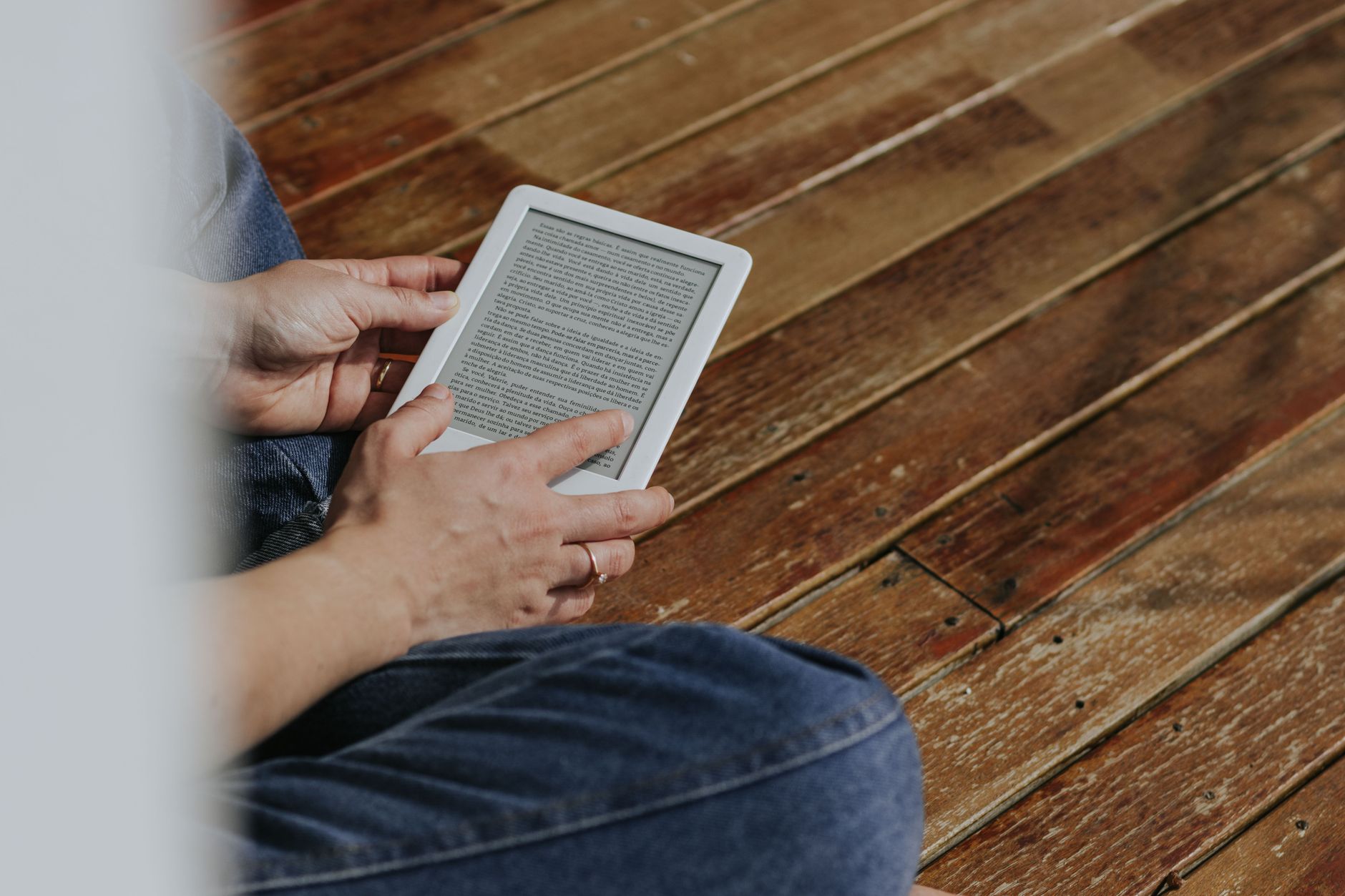
This is why reading on an iPad for two hours makes your eyes feel dry and tired while reading on a Kindle for the same amount of time feels about the same as reading a paperback. It’s not marketing — it’s physics. E Ink literally works differently.
When a tablet makes more sense
Tablets win for anything with color and images: cookbooks, graphic novels, magazines, textbooks with diagrams, PDFs with charts. E Ink screens are mostly black and white (color E Ink exists but it’s washed-out and expensive).
Tablets also win for annotating and highlighting. The touch interface is faster and the markup tools are more sophisticated. If you’re studying or doing research, an iPad with an Apple Pencil is hard to beat.
When an e-reader wins
For linear reading — novels, memoirs, narrative nonfiction — an e-reader is better in almost every way. The battery lasts for weeks, not hours. The screen is readable in direct sunlight (a tablet is a mirror in the sun). The device is lighter and more comfortable to hold for long sessions. And your eyes don’t hurt after a two-hour reading session.
I also find that I read differently on an e-reader. On a tablet, notifications pop up, I switch to Twitter for a minute, I check email. The e-reader does one thing and does it without interruption. It’s the difference between reading a book and reading a website.
My recommendation
If you read mostly fiction or narrative nonfiction: get a Kindle Paperwhite (around $140). The warm light feature and waterproofing make it the sweet spot in the Kindle lineup. If you read a lot of illustrated books, cookbooks, or PDFs: stick with whatever tablet you already have. If you do both: a basic Kindle for reading plus your existing tablet for everything else is cheaper than the fancy color E Ink devices and works better for each use case.
I use both. The Kindle for novels at night and on trips. The iPad for cookbooks and work PDFs. They’re different tools for different kinds of reading, and trying to make one device do everything just means it does everything poorly.
📋 Quick Summary: E-readers use E Ink that reflects light like paper — better for linear reading, eye comfort, and battery life. Tablets are better for color images, annotation, and interactive content. For most fiction readers, a Kindle Paperwhite is the best value. Use both if your reading spans both types.