Why You Should Salt Your Pasta Water Like the Sea
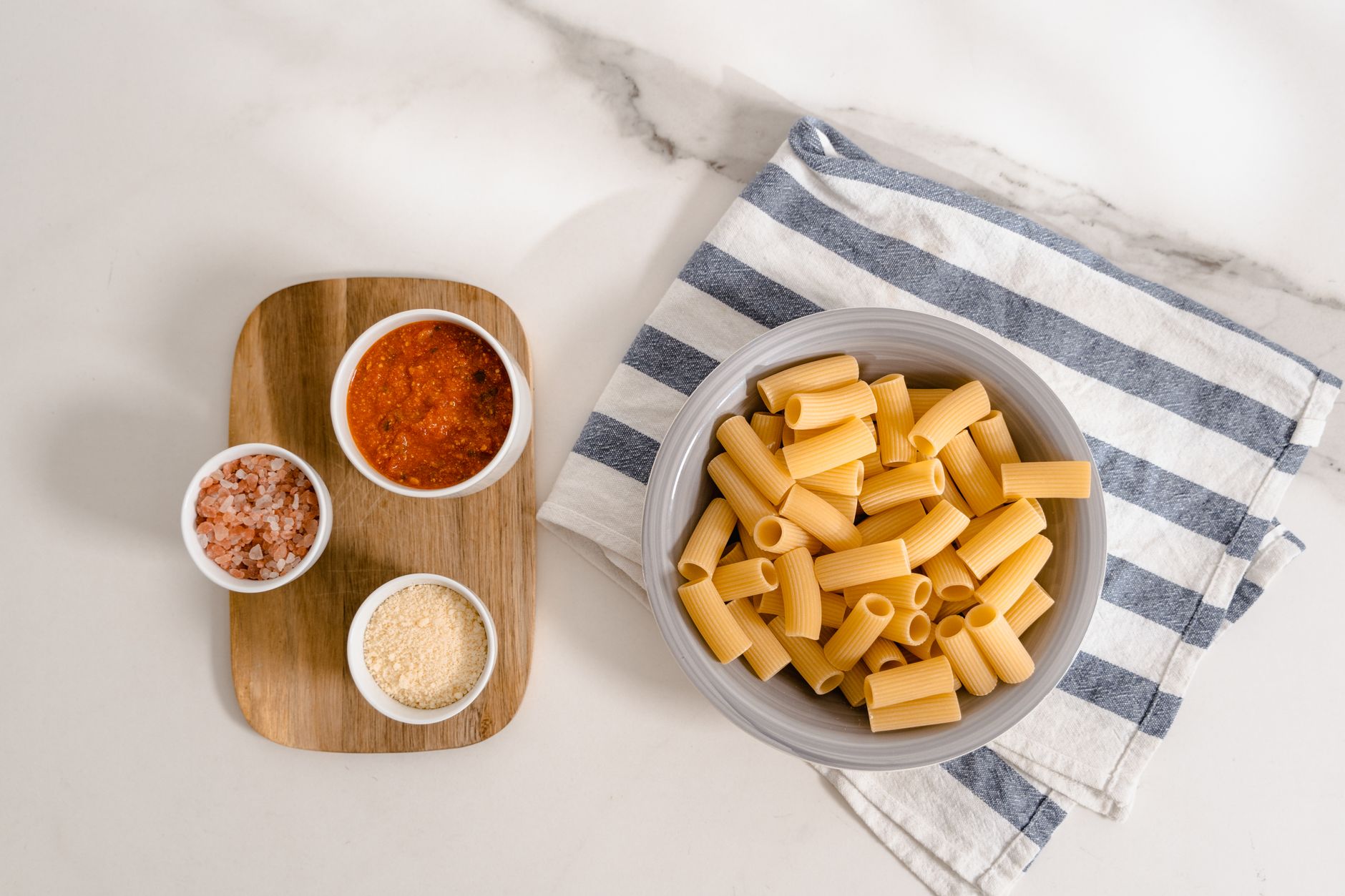
My roommate in college used to dump a teaspoon of table salt into a gallon of boiling water and call it done. The pasta came out tasting like… warm flour. Every single time.
She was convinced salt in pasta water was just an old wives’ tale. I was convinced she had never eaten pasta at a restaurant.
It took exactly one dinner at my friend Marco’s apartment to change her mind. Marco’s family is from Bologna. He salted his pasta water like he was trying to recreate the Pacific Ocean. She took one bite, looked at me, and said: “Okay. I’ve been wrong my whole life.”
Why salted water matters more than salted sauce
Most people think you can just salt the sauce and call it good. That’s like seasoning the outside of a steak and leaving the inside bland. Pasta absorbs water as it cooks. If that water is unseasoned, your pasta will be unseasoned. No amount of sauce can fix that.
Here’s the science part, short version: salt dissolves in hot water, and some of that salty water gets absorbed by the pasta as it hydrates. You’re literally seasoning from the inside out.
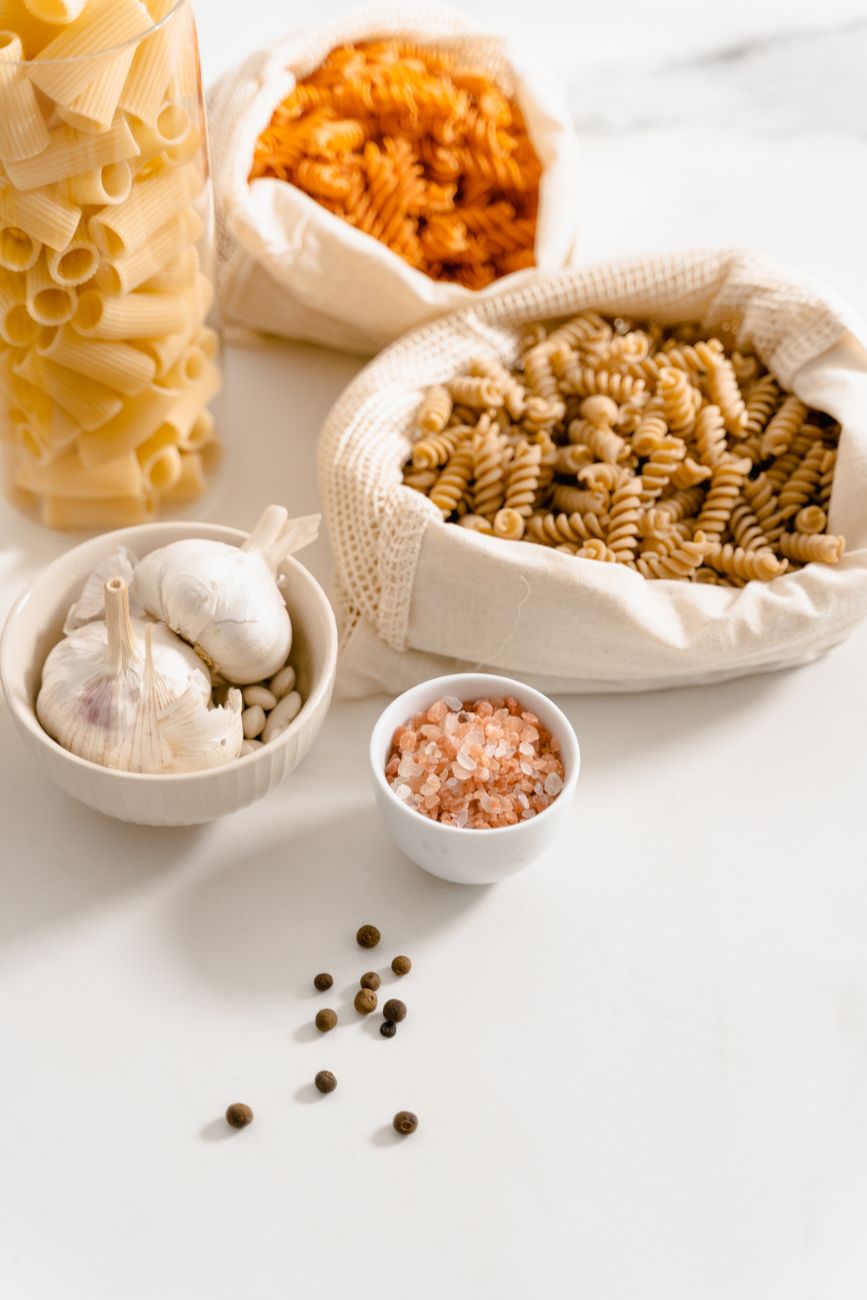
How much salt are we talking about
The phrase “salty like the sea” gets thrown around. I tested this. Actual seawater is about 3.5% salt. For a standard pot with 4 quarts of water, that’s roughly 1.5 tablespoons of kosher salt. Diamond Crystal, specifically — Morton’s is denser so use less.
If that sounds like a lot, it is. But remember: most of that salty water goes down the drain. The pasta only absorbs a fraction.
- 4 quarts water → 1.5 tablespoons Diamond Crystal kosher salt
- 4 quarts water → 1 tablespoon Morton’s kosher salt
- 4 quarts water → 2 teaspoons fine sea salt
When to add it
Add the salt after the water boils. Salt lowers the boiling point slightly, and dumping it into cold water can allegedly pit your pot (I’ve never seen this personally but Italian grandmas insist on it and I am not arguing with Italian grandmas).
Also: do not add oil to your pasta water. Marco nearly threw me out of his kitchen when I asked about that. Oil coats the pasta and prevents sauce from sticking. The only thing oil in pasta water does is keep the pot from boiling over — and you can accomplish the same thing with a wooden spoon laid across the top.
Does the shape of salt matter
For flavor absorption, no. For measuring accuracy, yes. Kosher salt crystals are irregular and airy, so a tablespoon of Diamond Crystal is not the same as a tablespoon of Morton’s. Fine sea salt packs densely. If you’re going to do this regularly, pick one salt and stick with it so you develop muscle memory.
I use Diamond Crystal for everything. I switched after that dinner at Marco’s and haven’t looked back. My pasta actually tastes like something now.
📋 Quick Summary: Salt your pasta water heavily — 1.5 tablespoons kosher salt per 4 quarts — and add it only after the water boils. Skip the oil. Your pasta will taste seasoned from the inside, not just the sauce on top.