How I Remove Snow From My Car Without Scratching the Paint
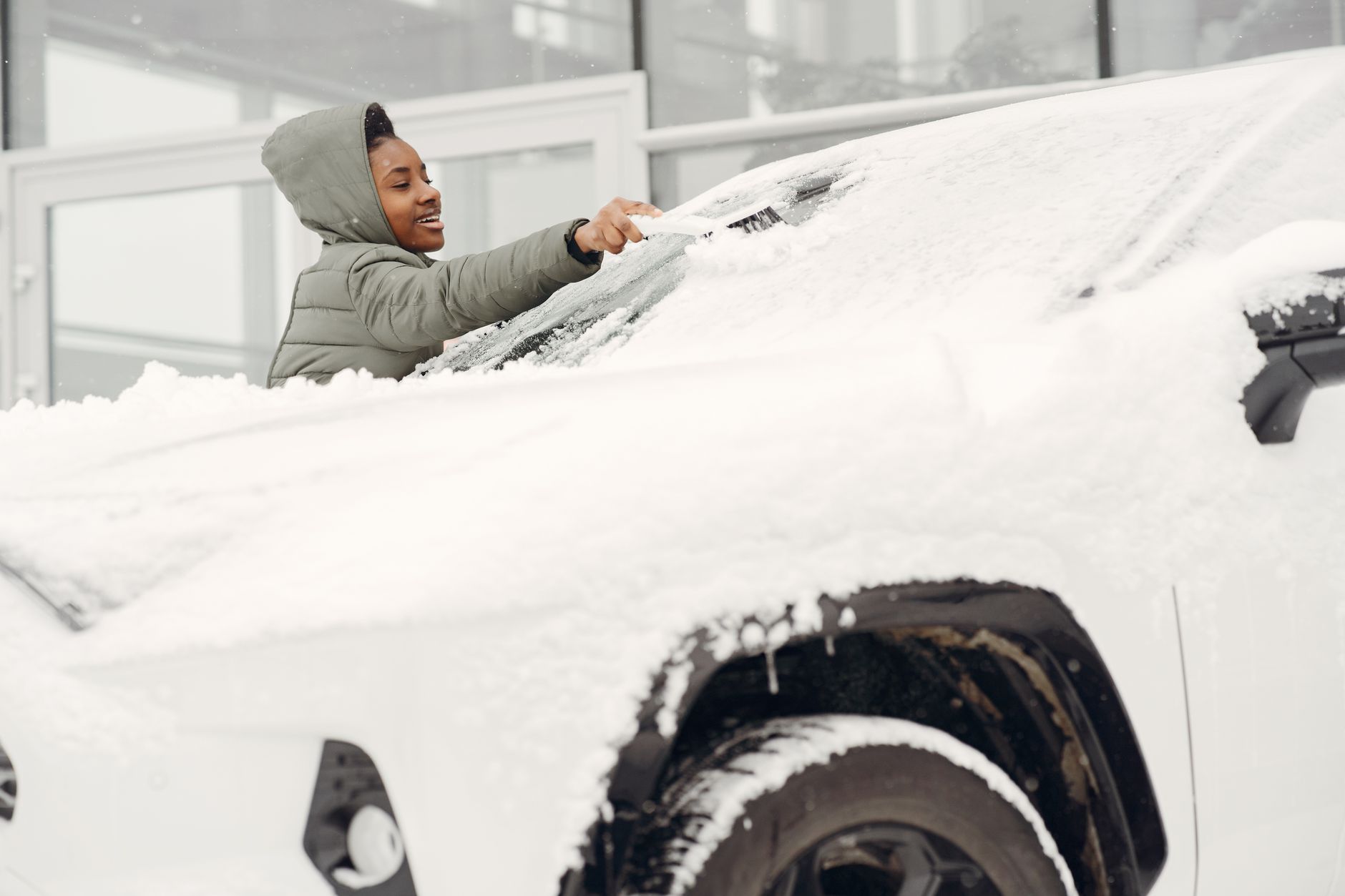
I scratched my car the first winter I owned it. I used the brush side of a snow brush—the bristles—thinking they were soft enough. They were not. By spring I had fine swirl marks across the hood that caught the light at every angle.
Snow looks soft. The grit trapped between snow and paint is not.
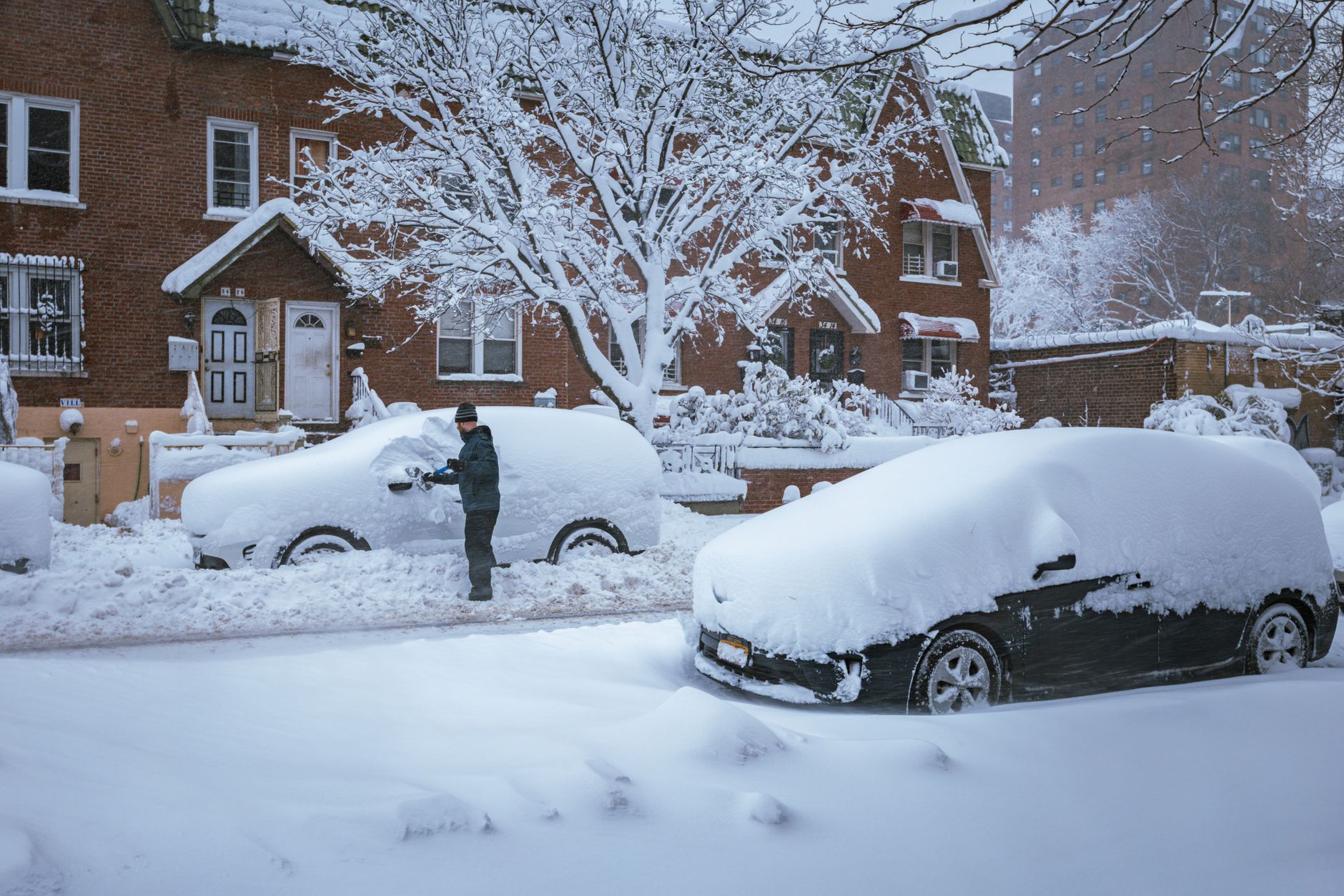
The Right Order of Operations
- Start the car and turn on the defroster. Let it run while you work. The warm air loosens ice at the glass level so you are not scraping frozen-solid ice.
- Use the foam side first. Most snow brushes have two ends—bristles and foam. The foam squeegee side pushes snow off in sheets without the bristles dragging grit across your clear coat.
- Push, do not scrub. Slide the foam across the surface in straight lines. Scrubbing motions grind particles into the paint.
- Leave a thin layer. Do not try to get down to bare paint. A millimeter of snow left on the surface will melt off as the car warms up. Scraping to zero is how scratches happen.
The Ice Scraper Rule
Ice scrapers are for glass only. Never use an ice scraper on painted surfaces. Ever. If ice is frozen to your hood or roof, let the engine heat do the work. It takes 10 minutes longer. It saves hundreds in paint correction.
For door handles and locks frozen shut: do not pour hot water. The thermal shock can crack the glass and the water refreezes in the lock mechanism. Use a lock de-icer spray or rubbing alcohol in a spray bottle. Alcohol’s freezing point is -173°F.
The Ceramic Coating Bonus
If you apply a ceramic spray coating before winter, snow and ice release from the surface much more easily. I use a $15 spray-on ceramic detailer in November. Come January, the snow practically slides off with a gentle push. It also makes spring cleanup dramatically easier.
Quick Summary: Use the foam side of your brush to push snow in straight lines, never scrape paint, let the engine warm ice on body panels, apply ceramic spray before winter for easier removal.