The Generic Brand Test That Reveals Which Store Brands Are Literally Identical
I grew up thinking generic meant worse. My parents bought name-brand everything — Heinz ketchup, Cheerios, Advil. Store brands were for “other people.” Then I got my first apartment and my food budget was ninety dollars a week. I started buying the store version of everything out of necessity. And I noticed something: the store-brand ibuprofen had the exact same active ingredient as Advil. Same milligrams. Same coating. The bottle cost half as much.
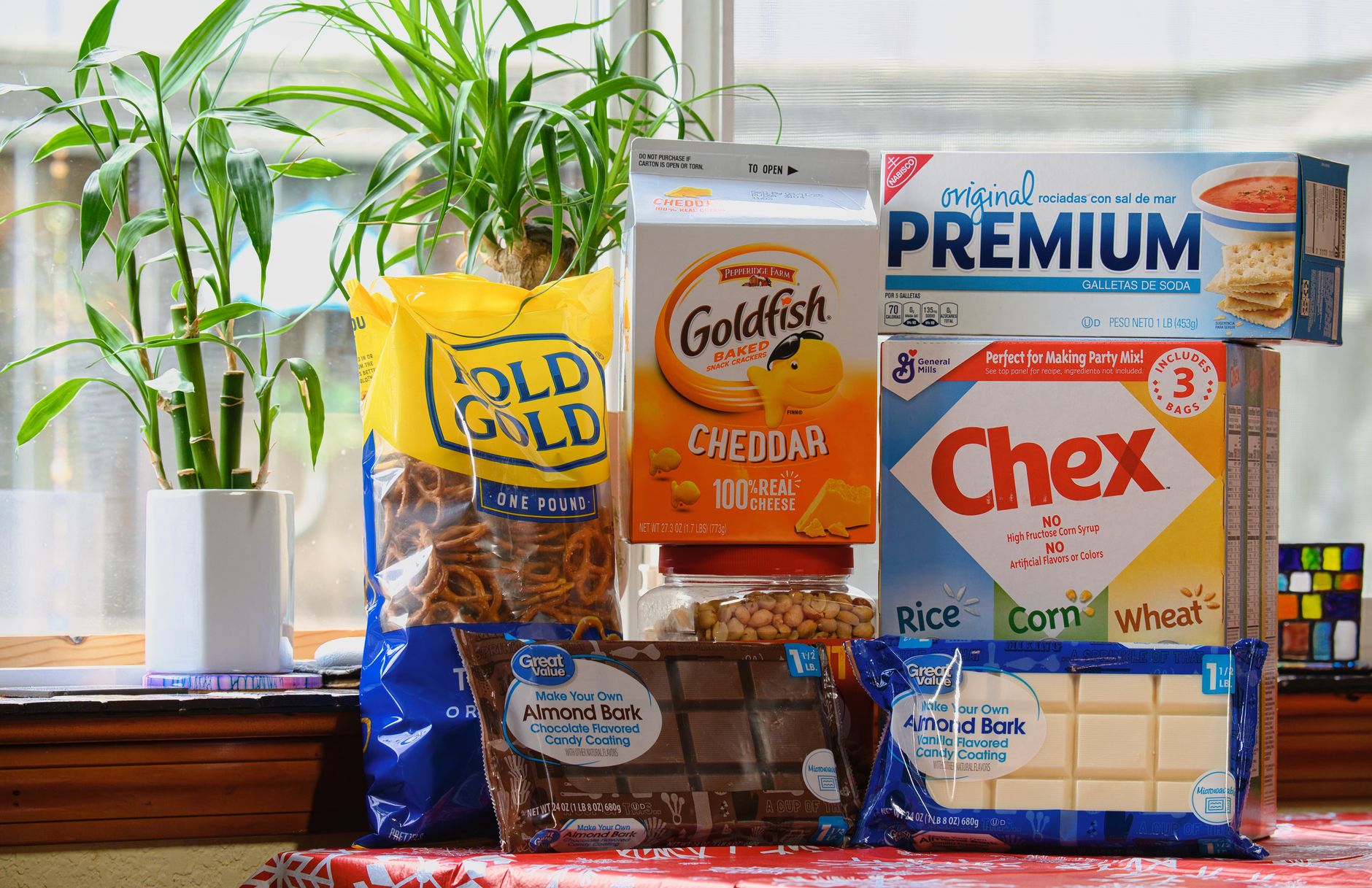
Turns out a lot of generic products are made in the same factories as the name brands. The manufacturer runs the name-brand batch, then switches the packaging and runs the store-brand batch with the same formula. Here is how to tell which ones are actually identical — and which generics are genuinely worse.
The “Compare the Label” Test
Pick up the name brand and the store brand. Flip them over. Look at the ingredients list and nutrition facts. If the ingredients are in the same order and the nutrition numbers match within a gram or two, they are almost certainly the same product in different packaging.
Over-the-counter medications are the easiest case. The FDA requires generic drugs to have the identical active ingredient, strength, and dosage form. Compare the Drug Facts label on Advil and store-brand ibuprofen. Identical. The only difference is the binding agents — the inactive ingredients that hold the pill together — and those do not affect how the medicine works.
Categories Where Generics Almost Always Win
- OTC medications: Ibuprofen, acetaminophen, diphenhydramine, cetirizine, loperamide. It is the law that generics match the active ingredient. Paying extra for the brand name is paying for the TV commercials you watched.
- Basic dairy: Milk, butter, sour cream, cream cheese. These are commodity products. The store brand often comes from the same regional dairy as the name brand — sometimes literally the same plant, different label.
- Canned vegetables and beans: Canned corn is canned corn. Canned chickpeas are canned chickpeas. I have done side-by-side taste tests. Nobody in my house could tell which was which.
- Cleaning products: Bleach is sodium hypochlorite solution. The label tells you the concentration. Buy the cheapest one with the same percentage.
- Baking staples: Salt, sugar, flour, baking soda. Chemically identical across brands. Salt is salt.
Categories Where Generics Can Disappoint
- Cereal: Store-brand Cheerios are often harder and less evenly toasted. The flavor is close-ish but the texture is off. I still buy generic for baking (crushed into a crust) but name-brand for eating with milk.
- Paper products: Generic paper towels and toilet paper are thinner. You end up using more, which cancels the savings. Kirkland (Costco) is an exception — their paper towels are genuinely good.
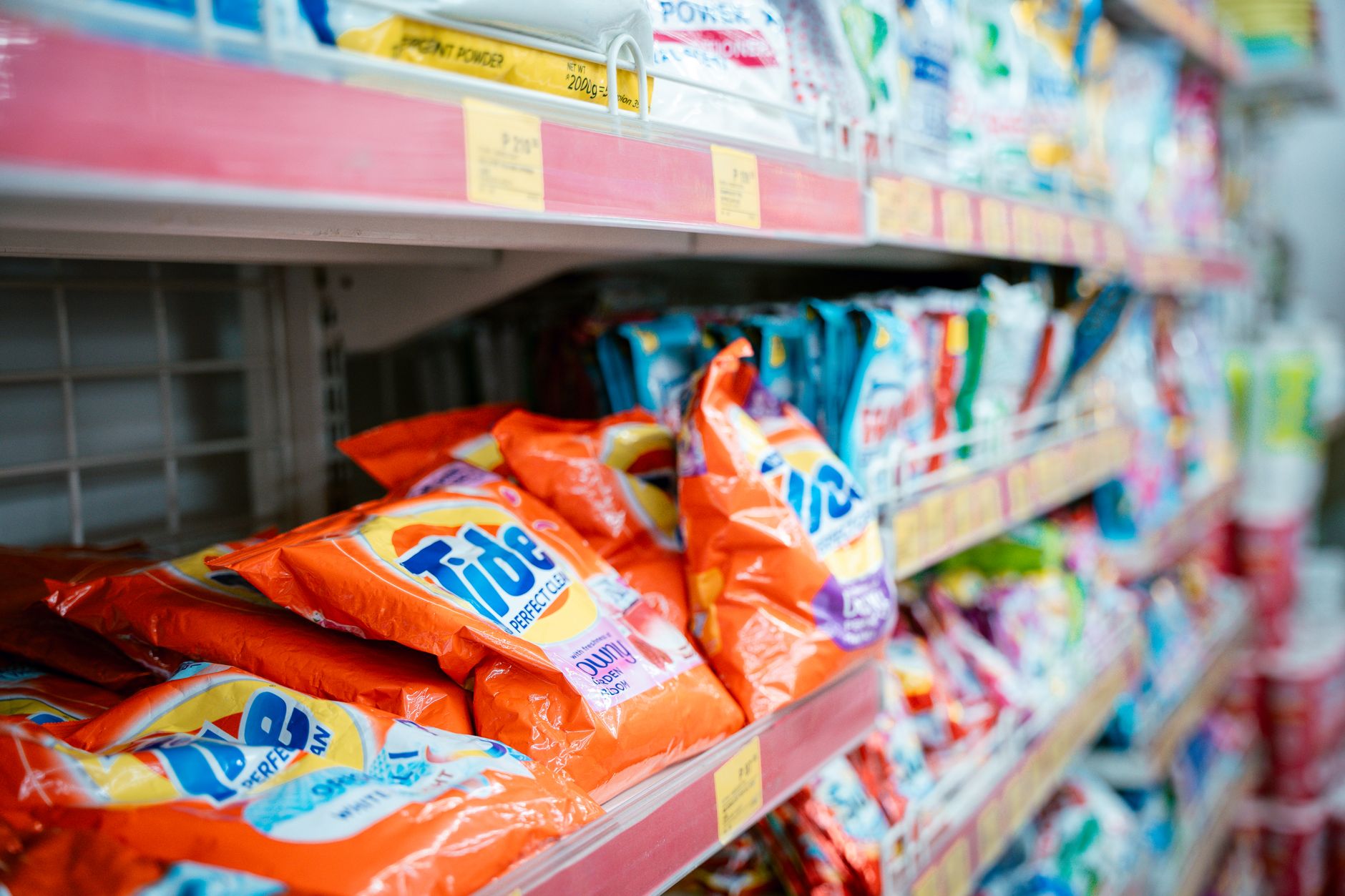
- Laundry detergent: Cheaper formulas use more water and less surfactant. You need more product per load. Tide is expensive for a reason. That said, store-brand detergent is fine for lightly soiled clothes.
- Condiments: Store-brand ketchup and mayo are often noticeably different — sweeter, thinner, or less tangy. This one comes down to personal preference.
📋 Quick Summary: Compare the ingredients label to find generics that are identical to name brands. OTC meds, basic dairy, canned goods, bleach, and baking staples are nearly always the same product. Cereal, paper towels, laundry detergent, and condiments can be genuinely worse — test before switching permanently.