The Potato Water Secret My Grandmother Never Told Me
I ruined Thanksgiving in 2018, and I’m not being dramatic. My mother had finally entrusted me with making the gravy, a responsibility she had guarded like a state secret for thirty years. I accepted the honor with the casual confidence of someone who had watched YouTube tutorials and thought that made him qualified. The turkey drippings were beautiful, golden and fragrant. I whisked in flour, then slowly added chicken stock. The texture was promising for about forty-five seconds. Then it separated into a greasy, lumpy mess that looked more like something you’d find in a science fair volcano than on a holiday table.
Understanding the Problem
📸 Photo by Ninh Tien Dat on Pexels
My aunt took one look at it and silently reached for a jar of store-bought gravy from the pantry. I was 31 years old and had been defeated by a sauce.
That night, after everyone left, my grandmother called me. She had heard about the gravy incident from my mother, who had apparently texted the entire extended family. My grandmother is not a woman who calls often, so when she does, you listen. She asked me one question: did you save the potato water?
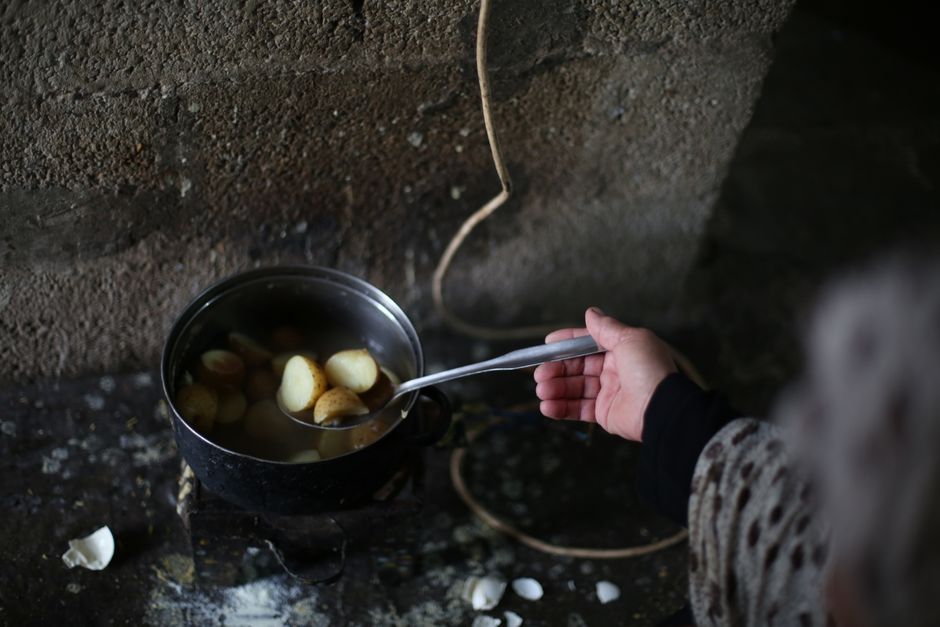
I had no idea what she was talking about, which tells you everything about my cooking knowledge at the time. Potato water is exactly what it sounds like: the starchy water left behind after boiling potatoes. Most people pour it down the drain without a second thought. I had done exactly that, hours before my gravy disaster began.
Here is what I learned. When you boil potatoes, starch granules swell and burst, releasing amylose and amylopectin into the water. That starchy liquid is essentially free liquid thickener, and it works better than flour or cornstarch in many applications because it doesn’t clump, doesn’t need to be cooked out, and adds a subtle richness rather than a floury taste.
The Proven Solution
For gravy, potato water is transformational. Replace half your stock with potato water, and the gravy thickens silkily, almost like a restaurant demi-glace. The starch molecules bind with the fat from the drippings to create an emulsion that holds together instead of breaking. I tried it the following weekend on a practice roast chicken, and the gravy was glossy, smooth, and stable. No separation, no lumps, no shame.
But potato water’s utility goes far beyond gravy. I now use it as the liquid base for bread dough, where the starch adds moisture and gives the crumb a softer, more tender texture. Any yeast bread recipe that calls for water can benefit from a fifty-percent substitution. Pizza dough made with potato water has a chewier, more professional crust. I’ve tested this side by side, and the difference is undeniable.
Soups and stews get an upgrade too. That thin, watery minestrone can become velvety with a cup of potato water stirred in during the last ten minutes of cooking. It works especially well in pureed vegetable soups like butternut squash or carrot, where you want body without adding cream.
Long-Term Prevention Tips
I also keep potato water in the refrigerator for thinning out sauces that have gotten too thick. Unlike regular water, it doesn’t dilute flavor or create a watery separation. It integrates seamlessly.
One important note: if you salt your potato water heavily, it will be too salty for most other uses. I’ve started salting potato water only lightly, or not at all, reserving the unsalted version for my freezer. I pour cooled potato water into ice cube trays, freeze them, and transfer the cubes to a zip-top bag. Each cube is about two tablespoons, perfect for adding to a pan sauce on a weeknight.
Last Thanksgiving, my mother handed me the drippings again. This time, I had my potato water ready. The gravy came together in under ten minutes, velvety and rich, and my aunt asked for the recipe. My grandmother caught my eye from across the table and gave me the smallest nod. That was worth more than any compliment.