How to Protect Your Garden From an Unexpected Early Frost
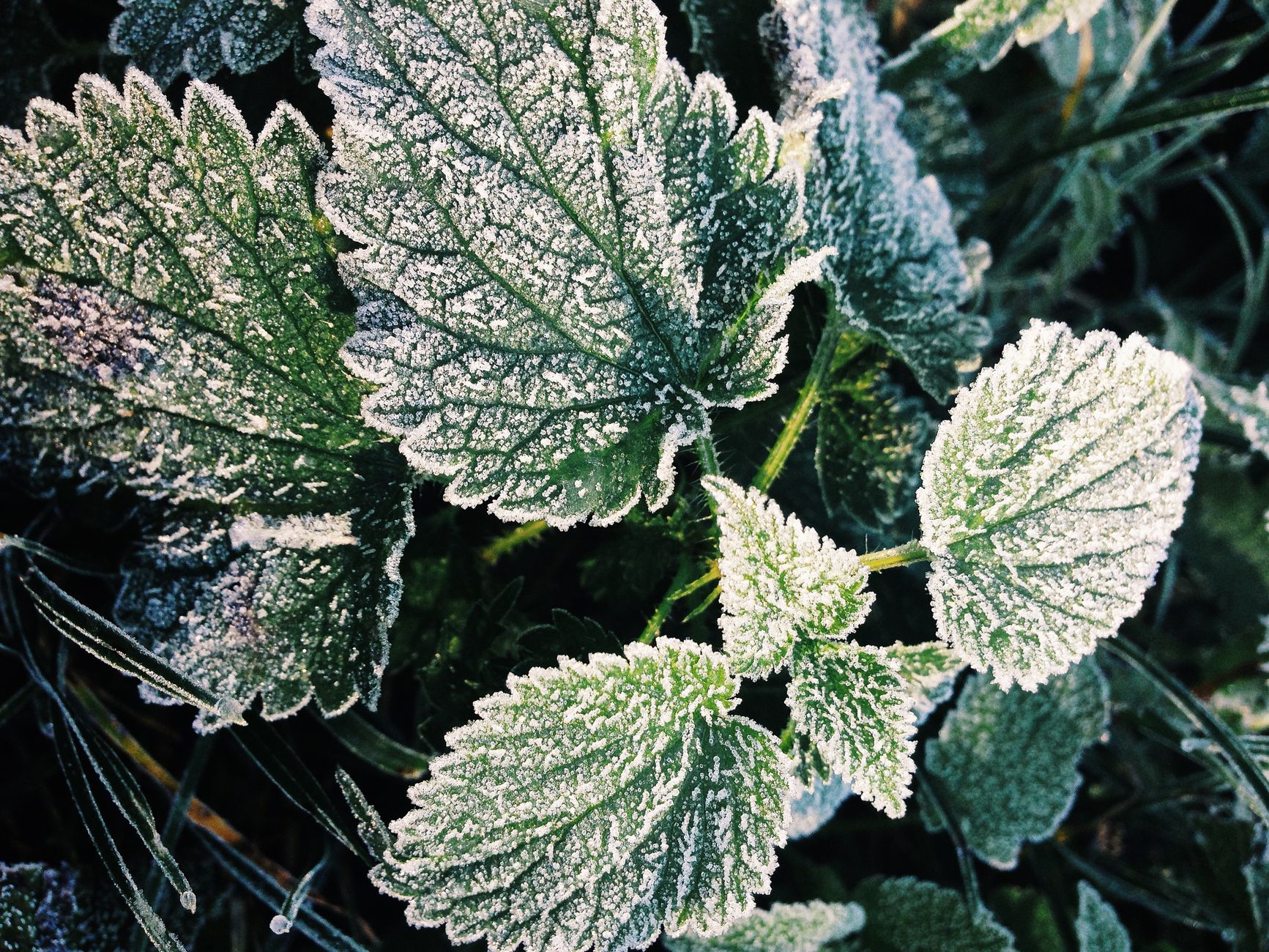
I lost my entire tomato crop to a single October night. The forecast said forty-two degrees. I woke up to frost on the grass and tomato plants that looked like someone had poured boiling water on them — limp, translucent, dead. Three months of watering and staking and fertilizing, gone in six hours.
Early frosts are like that. They sneak up on you. The forecast is often wrong by a few degrees, and those few degrees are the difference between a thriving garden and a compost pile.
How frost actually kills plants
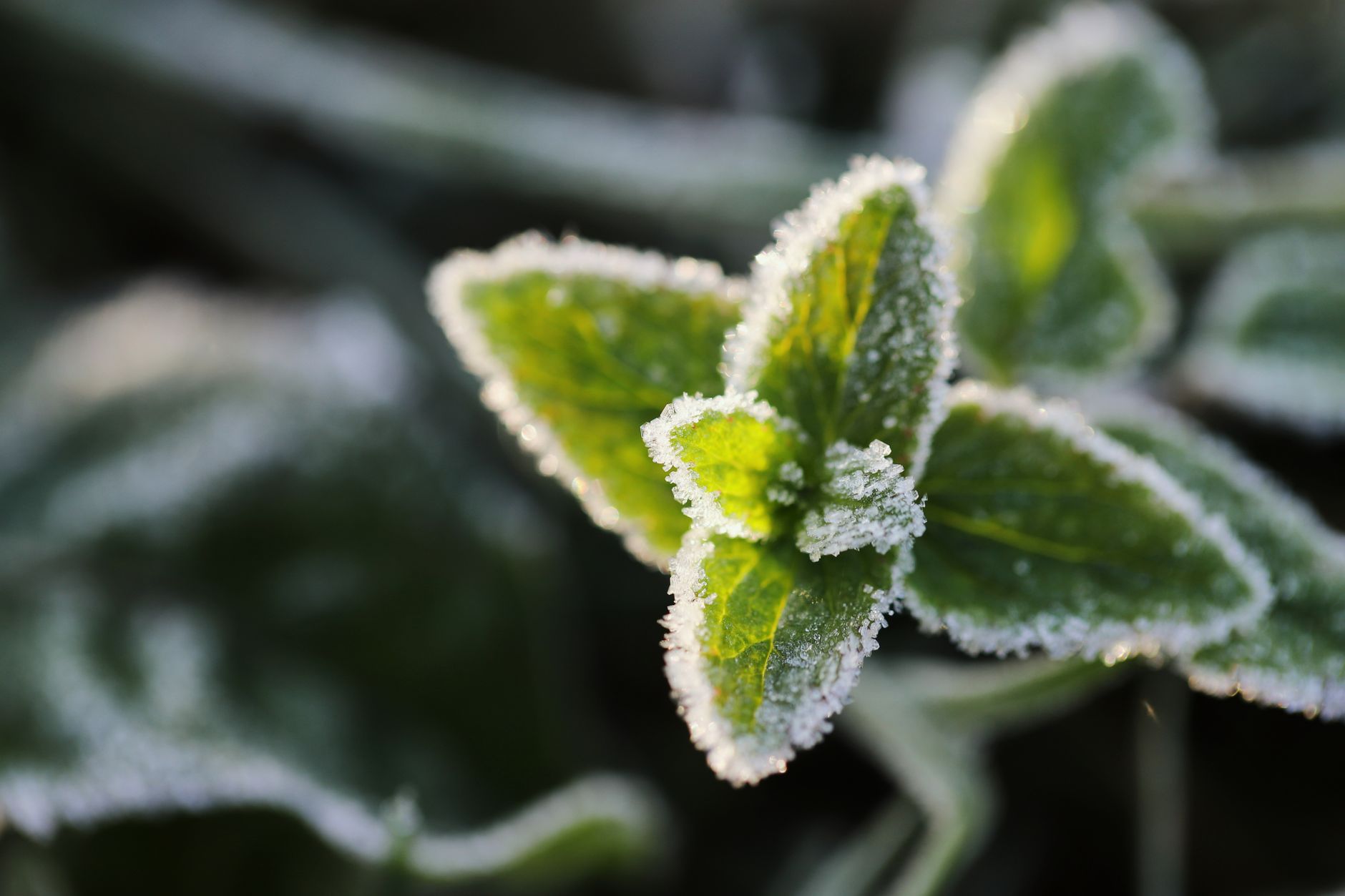
Frost does not freeze the plant directly — it freezes the water inside the plant’s cells. Ice crystals puncture cell walls. When the sun comes up and the ice melts, the cells collapse. That is why frost-damaged plants look waterlogged and floppy. The structure is gone.
The critical temperature is around thirty-two degrees at plant level, which can happen even when the official air temperature — measured five feet above ground — is thirty-six or thirty-seven. Cold air sinks. Your garden is in a cold pocket.
What to do when frost is forecast
- Water the soil deeply the afternoon before. Moist soil holds more heat than dry soil and releases it slowly overnight. It sounds counterintuitive — adding water before a freeze — but it raises the overnight temperature around the plants by two to three degrees.
- Cover the plants. Use old bedsheets, floating row cover fabric, burlap, or even inverted buckets and pots. The cover traps heat radiating from the ground. Do not use plastic sheeting directly on the plants — anywhere the plastic touches a leaf, that leaf will freeze. Use stakes or hoops to hold the plastic above the foliage.
- Remove covers in the morning once the temperature rises above freezing. Leaving them on traps too much heat and can cook the plants if the sun comes out strong.
The Christmas light trick
The old-school incandescent Christmas lights — not LEDs, which produce almost no heat — strung through the branches of fruit trees or draped over garden beds raise the temperature just enough to prevent frost damage. A string of C9 bulbs under a frost cloth creates a tiny heated microclimate. Use an outdoor-rated extension cord and keep connections off the ground. This trick has saved citrus trees in marginal growing zones for decades.
What to plant if frost keeps killing your garden
Some plants shrug off frost. Kale, spinach, Brussels sprouts, carrots, and parsnips actually taste sweeter after a light frost — the cold converts starches to sugars. If you live somewhere with unpredictable autumn weather, lean into these. A row of kale under a frost cloth will feed you through December in most of the country.
📋 Quick Summary: Water soil deeply the afternoon before, cover plants with sheets or row cover fabric, use incandescent Christmas lights for extra heat, and remove covers in the morning.