The Best Smart Home Devices That Actually Save You Money
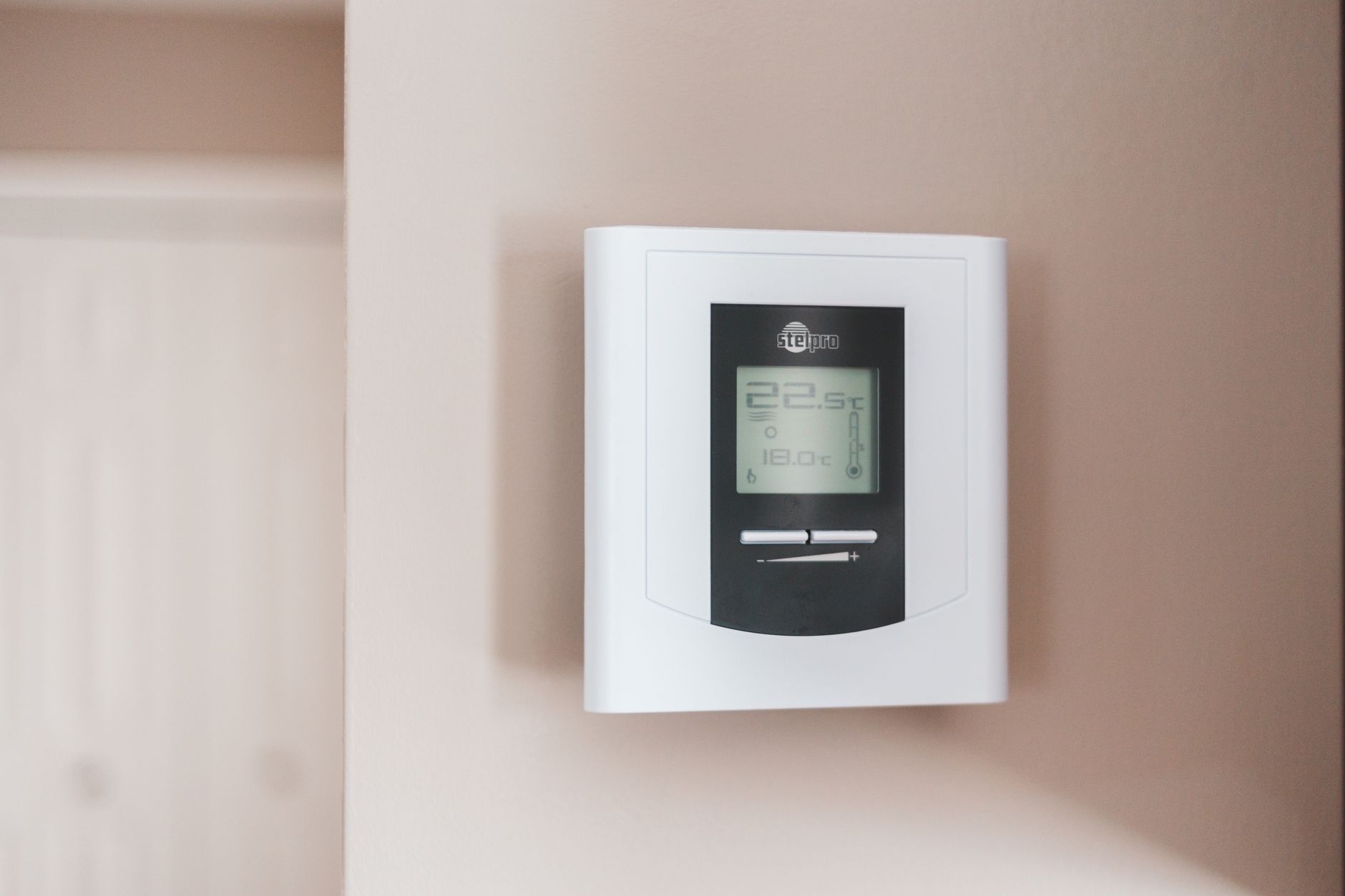
I bought a smart thermostat three years ago, mostly because I wanted to adjust the temperature from my phone without getting off the couch. I did not expect it to pay for itself, but it did — in about five months. My heating bill dropped nearly 15% the first winter, and I had not changed my behavior at all. The thermostat just stopped heating an empty house.
Most smart home gadgets are toys. A few actually earn back their cost through utility savings. Here are the ones worth the money and the ones to skip.
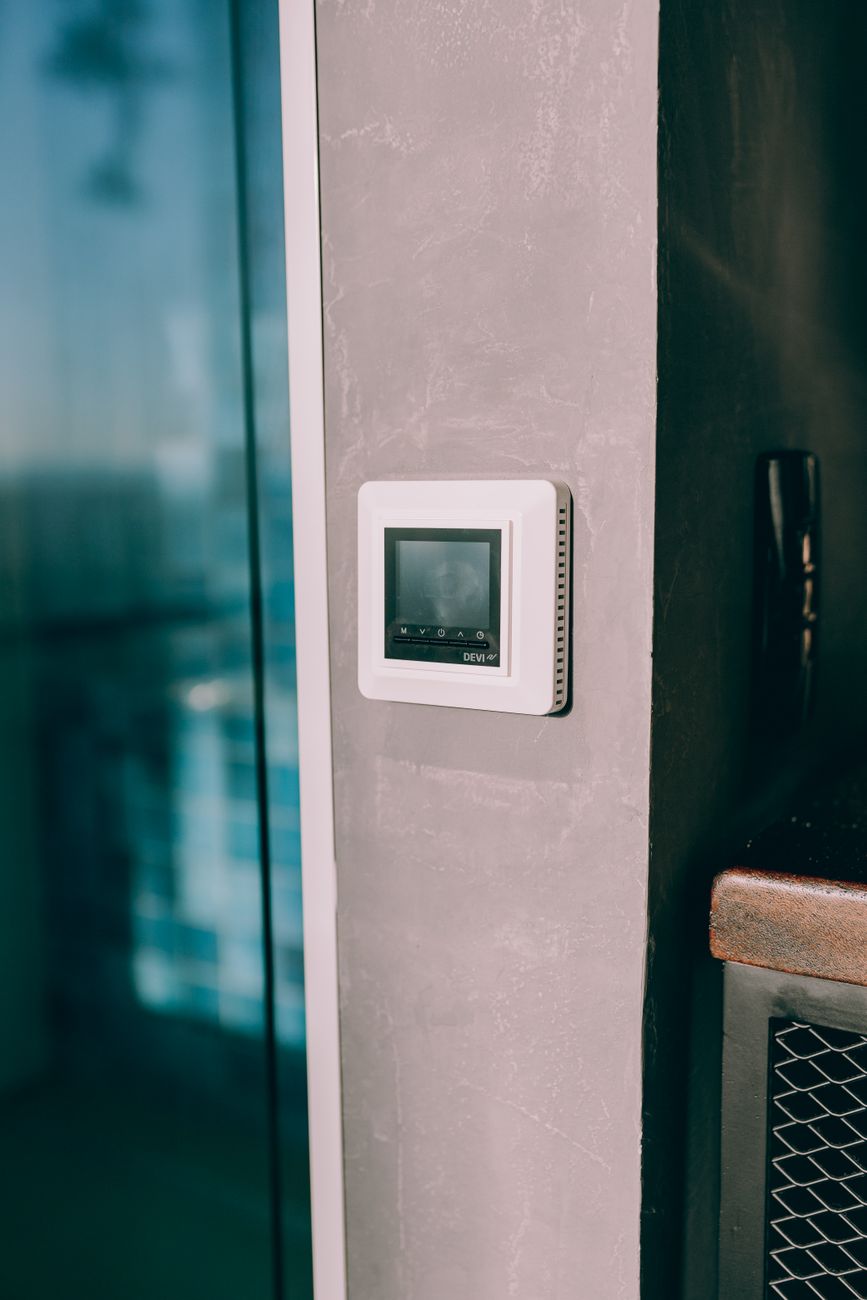
Smart Thermostat: The Undisputed Champion
A smart thermostat (Nest, Ecobee, or Amazon’s budget version) learns your schedule and adjusts automatically. It lowers the heat when you leave for work and warms the house back up before you get home. It does not waste energy on an empty house. Expected savings: 10-15% on heating and cooling annually — about $130-180 for the average US household. The $100-250 unit pays for itself in one to two years. The one I bought (Ecobee Lite, $150) broke even in five months because my old thermostat had no scheduling at all.
Smart Plugs for Vampire Power
Electronics in standby mode — TVs, game consoles, computer monitors, coffee makers — draw “vampire power” 24/7. It can account for 5-10% of a home’s electricity use. A smart plug ($8-15 each) cuts power completely on a schedule. Plug your entertainment center into one and set it to turn off at midnight and back on at 6 p.m. I measured my TV + game console setup with a Kill-A-Watt meter: $4.70 a month in standby draw. Two smart plugs paid for themselves in about seven months just from that one outlet.
Smart LED Bulbs (Only in Specific Rooms)
Regular LED bulbs already use 75% less energy than incandescents. Smart LED bulbs save additional money when paired with motion sensors or schedules in rooms where lights get left on — hallways, bathrooms, kids’ bedrooms, basements. A motion sensor in my laundry room that turns off after two minutes of no movement saves maybe $15 a year. Not life-changing, but the bulb costs $10 and lasts 15,000 hours. Do not replace every bulb in your house with smart bulbs — that is a money pit. Target the lights that stay on by accident.
Smart Water Leak Detectors (Prevent, Do Not Save)
These do not save money month to month — they prevent a $5,000 insurance deductible when a pipe bursts while you are on vacation. A smart water sensor ($40-60) placed under the water heater, washing machine, and under-sink cabinets sends an alert to your phone if it detects moisture. Some can automatically shut off the main water valve. I put one under my water heater after a friend’s flooded basement cost him $8,000. It has never triggered. That is the best possible outcome.
What to Skip: Smart Fridges, Smart Washers, Smart Anything With a Screen
Smart appliances with touchscreens are marketing, not savings. The “smart” features become obsolete in three years while the appliance should last 15. The energy savings from a “smart” washer versus a regular Energy Star model are negligible. The screen is just a very expensive way to see that your milk is low. Skip all of it. A $250 smart fridge board replacement when the screen dies is not a savings story.
📋 Quick Summary: Smart thermostat pays for itself fastest (10-15% HVAC savings). Smart plugs kill vampire power on entertainment centers. Smart LED bulbs only in rooms where lights get left on. Water leak detectors prevent catastrophe, not monthly savings. Skip smart fridges and washers — the screens are a liability, not a feature.