How to Keep Your House Warm Without Cranking the Thermostat
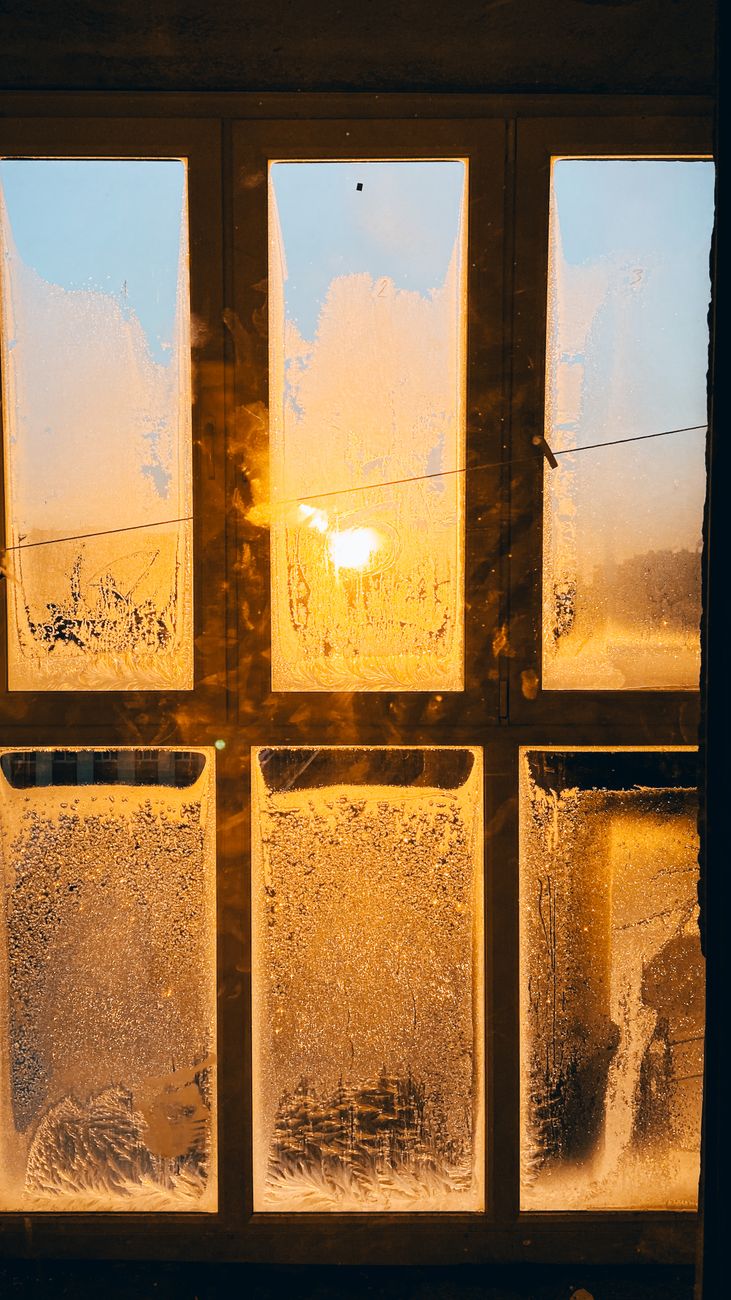
The first winter in my current place, the gas bill hit $280 in January. I was keeping the thermostat at 72 and the house was still cold in the corners. My feet were freezing. The windows might as well have been open.
I spent a weekend fixing the actual problems instead of fighting them with more heat. The next month, the bill dropped by almost $90 and the house felt warmer — not because the air was hotter, but because it was not escaping.
Find Where the Heat Is Leaving
Get an incense stick and walk around your house on a cold day holding it near windows, doors, outlets, and baseboards. Watch the smoke. If it wavers or blows sideways, heat is escaping there. The biggest culprits in my house: the front door (gap at the bottom you could slide a pencil through), three windows with failed seals, and every single outlet on exterior walls. Mark them with painter’s tape and fix them one at a time.
Weatherstripping and Door Sweeps
Adhesive foam weatherstripping costs about five dollars a roll and seals window and door gaps instantly. Cut to length, peel, stick. A door sweep screws into the bottom of the door and blocks the biggest air leak in most houses — the gap between the door and the threshold. Between these two fixes, my living room gained about five degrees of warmth retention. Five dollars, fifteen minutes.
Thermal Curtains: The Unsung Hero
Windows are giant holes in your insulation. Thermal curtains — the kind with a white backing — create a barrier that traps cold air between the curtain and the glass. Open them during the day on south-facing windows to let sunlight in (free heat). Close them the moment the sun goes down. I bought thermal curtains for all six windows in my house for about eighty dollars total. They paid for themselves in two months of lower heating bills.
Reverse Your Ceiling Fans
Most ceiling fans have a small switch on the motor housing that reverses the blade direction. In winter, set the fan to spin clockwise at low speed. This pushes warm air that collects near the ceiling back down into the room. It sounds like a small thing, but warm air rises — and if your ceiling is eight feet high, the difference between floor temperature and ceiling temperature can be 10 degrees or more. I tested it with a thermometer and it was real.
Seal Outlets and Switch Plates on Exterior Walls
Remove the cover plate from every outlet and light switch on an exterior wall. You will probably feel a draft. Install foam outlet gaskets — they cost about two dollars for a pack of ten — between the outlet and the cover plate. It takes 30 seconds per outlet. I did every exterior-wall outlet in my house in under ten minutes, and the draft I could feel with my hand at the kitchen outlet disappeared completely.
📋 Quick Summary: Find leaks with an incense stick. Weatherstrip windows and add door sweeps. Thermal curtains open by day, closed at sunset. Reverse ceiling fans to push warm air down. Foam gaskets behind outlet covers on exterior walls. Most of these fixes cost under ten dollars and take minutes.